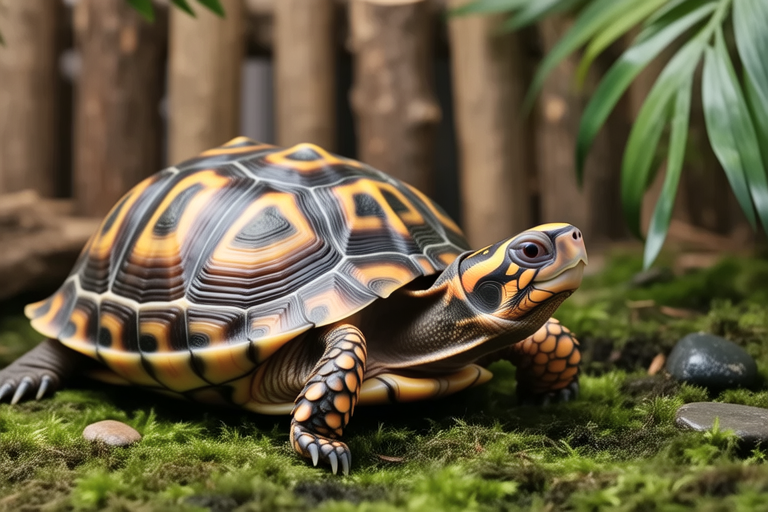
Top Tips for Ensuring Your Three-Striped Box Turtle Thrives at Home
Welcome to this comprehensive guide on how to ensure your three-striped box turtle thrives in its home environment. This article will cover everything from setting up the perfect habitat to understanding their dietary needs and providing enriching activities. Whether you’re a first-time turtle owner or have years of experience, we’ll offer practical advice that’s both friendly and accessible.
Understanding the Three-Striped Box Turtle
The three-striped box turtle (Cuora amboinensis) is native to Southeast Asia and parts of China. It gets its name from the three distinct stripes on its head. These turtles are known for their hardy nature and relatively low maintenance requirements, making them popular pets among reptile enthusiasts.
Proper Habitat Setup
Creating a suitable living space is crucial for your turtle’s well-being. A well-designed habitat mimics their natural environment, promoting healthy behavior and longevity.
Habitat Size and Type
For one adult turtle, aim for a minimum enclosure size of 4 feet by 2 feet. A glass aquarium with a secure lid is ideal, ensuring adequate ventilation while preventing escapes. Avoid plastic containers as they can trap moisture, leading to respiratory issues.
Substrate and Bedding
Use a mixture of coconut fiber and sand for bedding. This combination provides necessary humidity levels while allowing easy cleaning. Avoid cedar shavings as they may cause respiratory problems.
Environmental Enrichment
Incorporate elements like rocks, branches, and logs to stimulate natural behaviors such as climbing and basking. Ensure these items are smooth to prevent injury.
Temperature and Lighting
Maintain daytime temperatures between 75-85°F (24-29°C) with a basking spot reaching 90-95°F (32-35°C). Use UVB lighting to support calcium absorption, essential for strong bones and shells. Replace bulbs every six months to ensure effectiveness.
Diet Specifics
A balanced diet supports optimal health and growth. Three-striped box turtles are omnivores, requiring a mix of plant matter and animal protein.
Vegetables and Fruits
Offer leafy greens like kale, collard greens, and dandelion leaves regularly. Occasional fruits such as strawberries and blueberries add variety but should be limited due to high sugar content.
Animal Protein
Insects like crickets, mealworms, and earthworms provide necessary proteins. Gut-load insects with nutritious foods before feeding them to your turtle for maximum benefit.
Calcium and Vitamin Supplements
Supplement their diet with calcium and vitamin D3 to prevent metabolic bone disease. Dust food items with supplements twice weekly.
Health Monitoring
Regular health checks help catch potential issues early, ensuring prompt treatment.
Common Health Issues
Watch for signs of illness such as lethargy, loss of appetite, swollen eyes, or abnormal discharges. Metabolic bone disease, respiratory infections, and shell rot are common concerns.
Veterinary Care
Consult a veterinarian specializing in reptiles annually. They can perform thorough examinations, administer vaccinations, and address any health concerns.
Handling Tips
Safe handling practices reduce stress and prevent injuries.
Approach with Caution
Handle your turtle gently, supporting its body fully. Avoid lifting by the tail or limbs, which can cause injury.
Frequent Handling
Limit handling to once or twice a week to minimize stress. Over-handling can lead to behavioral changes and increased susceptibility to illnesses.
Environmental Enrichment
Providing mental stimulation through varied environments encourages natural behaviors and reduces boredom.
Interactive Toys
Introduce toys designed for small animals, such as tunnels and chewable objects. Rotate these periodically to maintain interest.
Social Interaction
If possible, house multiple turtles together. Observe interactions closely to ensure compatibility and safety.
Conclusion
Caring for a three-striped box turtle involves commitment but brings great rewards. By following these guidelines, you’ll create an environment where your turtle can thrive. Remember, each turtle is unique; observe your pet closely and adjust care accordingly. With proper attention and love, your three-striped box turtle will live a long, healthy life.
