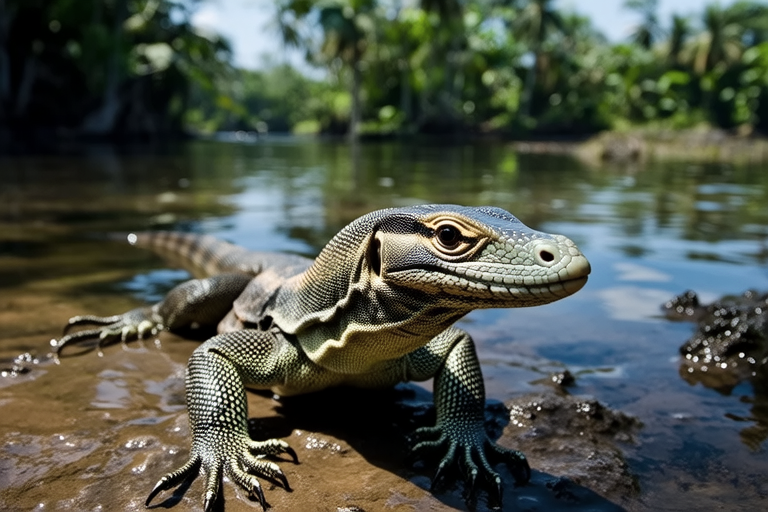
Meet the Water Monitor: A Pet Like No Other – Facts and Care Tips
The water monitor (Varanus salvator) is one of the largest lizards in the world, known for its impressive size, intelligence, and unique characteristics that set it apart from other pets. As a pet, the water monitor can be both a rewarding and challenging companion, offering a unique experience for reptile enthusiasts. This article will explore the fascinating world of the water monitor, providing essential facts, care tips, and insights into their behavior, diet, and health.
Natural Habitat and Behavior
Native to Southeast Asia, the water monitor thrives in a variety of environments including swamps, rivers, mangroves, and coastal areas. These adaptable creatures are excellent swimmers and climbers, using their powerful tails and sharp claws to navigate through their habitats. In the wild, they are known for their ability to cover large distances in search of food or suitable nesting sites.
Water monitors are diurnal animals, meaning they are most active during the day. They are primarily carnivorous, feeding on a wide range of prey such as insects, small mammals, birds, fish, and even other reptiles. Their hunting techniques vary depending on the environment; they may ambush prey on land or dive underwater to catch fish. This adaptability and versatility make them fascinating subjects for observation.
Diet and Feeding Requirements
As pets, water monitors require a varied diet to ensure optimal health. Younger monitors are more insectivorous, consuming crickets, mealworms, and other insects. As they grow, their diet should include larger prey items like mice, rats, and occasionally fish. It’s important to provide a balanced diet rich in proteins and nutrients to support their rapid growth.
Feeding should be done several times a week, depending on the age and size of the monitor. Adult water monitors can consume larger prey items less frequently, while younger ones need smaller, more frequent meals. It’s crucial to avoid overfeeding, which can lead to obesity and related health issues.
Care Tips: Housing, Temperature, and Humidity
Proper housing is essential for the well-being of a water monitor. Due to their size and activity level, they require spacious enclosures. For a juvenile, a 4x2x2-foot tank is suitable, but as they grow, they will need much larger spaces, often requiring custom-built enclosures or outdoor setups.
Temperature regulation is critical for water monitors. They require a basking spot that reaches around 95-100°F (35-38°C), and cooler areas that maintain temperatures between 75-85°F (24-29°C). A combination of heat lamps and under-tank heating pads can achieve this. Maintaining appropriate humidity levels is also vital, with the enclosure needing to be kept at about 60-80% humidity. This can be achieved through regular misting and the use of a humidifier.
The enclosure should offer climbing opportunities, hiding spots, and a water area for swimming. The water area should be deep enough for the monitor to submerge completely, allowing them to engage in natural behaviors. Providing branches, rocks, and other structures will encourage exercise and mental stimulation.
Health Issues and Prevention
Despite their hardiness, water monitors can suffer from various health issues if not properly cared for. Common ailments include respiratory infections, metabolic bone disease, and parasites. Regular veterinary check-ups are recommended to monitor the health of your pet.
To prevent health issues, maintain a clean and hygienic enclosure, ensuring proper ventilation and avoiding overcrowding. Provide a balanced diet and ensure all nutritional needs are met. Regularly monitor the temperature and humidity levels within the enclosure to prevent stress and illness.
Handling and Bonding
Handling a water monitor requires patience and respect for their natural instincts. Younger monitors are more manageable, but as they grow, they can become more defensive. Always approach them calmly and slowly, giving them time to adjust to your presence.
Bonding with your water monitor can take time and effort. Spend quality time with them, offering treats and positive reinforcement. Over time, they may become more comfortable with handling and interaction, though some may never fully accept human contact. Understanding and respecting their boundaries is key to building a harmonious relationship.
Conclusion
The water monitor is a remarkable creature, combining strength, intelligence, and adaptability. While they may not be the ideal pet for everyone due to their specific care requirements, those who are prepared to commit to their needs can enjoy a truly unique and rewarding companionship. By understanding their natural habitat, dietary needs, and behavioral tendencies, you can provide the best possible care for your water monitor. With the right approach, these magnificent lizards can thrive in captivity, offering endless fascination and enjoyment for their owners.
