Top 10 Myths Debunked About Living with a Tarantula as a Pet
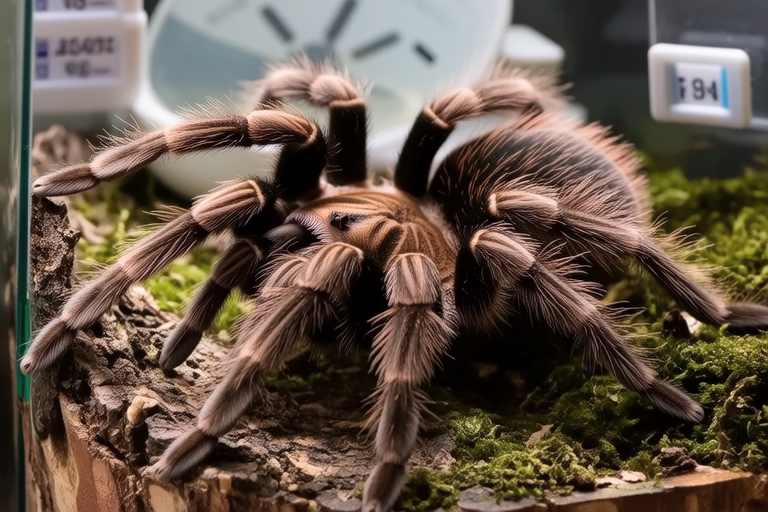
Tarantulas have been gaining popularity as exotic pets over the years. These fascinating arachnids are known for their unique appearance and relatively low-maintenance requirements. With over 900 species worldwide, there’s a tarantula for almost every preference, from the fuzzy pink Zebra to the robust Mexican Red Knee. While they may seem intimidating at first glance, many tarantula enthusiasts find them to be docile, intriguing companions. However, like any pet, tarantulas come with a set of myths and misconceptions that can deter potential owners or mislead current ones. This article aims to debunk the top 10 myths about living with a tarantula, providing factual insights to help you make informed decisions.
Myth 1: Tarantulas Are Highly Aggressive and Dangerous
One of the most common misconceptions about tarantulas is that they are aggressive and pose a significant danger to humans. In reality, most tarantulas are quite docile and prefer to avoid confrontation. They are primarily defensive creatures that will only attack if they feel threatened. Even then, their bites are generally harmless to humans, causing mild irritation similar to a bee sting. The venom of most tarantulas is not potent enough to cause serious harm to people, making them surprisingly safe pets.
Myth 2: All Tarantulas Can Spray Venom
It’s widely believed that all tarantulas can spray venom from their abdomens as a defense mechanism. While some species, like the Brazilian Black, can indeed release urticating hairs, which can irritate the skin or eyes of predators, not all tarantulas possess this ability. Moreover, even those that can release these hairs typically do so as a last resort rather than spraying venom. This myth often leads to unnecessary fear and misunderstanding of tarantulas’ defense mechanisms.
Myth 3: Tarantulas Require Little Care
While tarantulas are relatively low-maintenance compared to other pets, they still require specific care to thrive. Their enclosures need regular cleaning, and they should be provided with appropriate temperature, humidity, and substrate to mimic their natural habitat. Additionally, tarantulas need a balanced diet of insects like crickets and mealworms. Neglecting these basic needs can lead to health issues and a shortened lifespan for your pet. Responsible tarantula ownership involves understanding and meeting these requirements.
Myth 4: Tarantulas Live Short Lives
Contrary to popular belief, tarantulas can live for a surprisingly long time. Depending on the species, tarantulas can live anywhere from 10 to 30 years. Some species, like the Chilean Rose, can even exceed 20 years with proper care. This longevity makes tarantulas a rewarding long-term commitment for pet owners who are prepared to invest time and effort into their well-being.
Myth 5: Tarantulas Are Not Social Creatures
Although tarantulas are solitary animals in the wild, they can form social bonds with their human caregivers. Many tarantula owners report that their pets recognize them and respond positively to gentle handling. It’s important to note that while tarantulas can become accustomed to human interaction, they should never be handled roughly or stressed. Patience and respect for their boundaries are key to building a positive relationship with your tarantula.
Myth 6: Tarantulas Are Easy to Breed
Breeding tarantulas is not as straightforward as it might seem. It requires a deep understanding of the species’ mating habits, environmental conditions, and the risks involved. Many species have specific temperature and humidity requirements for successful breeding, and improper handling can lead to stress or injury. Unless you’re experienced and equipped with the necessary knowledge and resources, breeding tarantulas is not recommended for beginners.
Myth 7: Tarantulas Are Nocturnal
While many tarantulas are more active during the night, not all species are strictly nocturnal. Some species, like the Mexican Red Knee, are crepuscular, meaning they are most active during twilight hours. Understanding your tarantula’s activity patterns can help you better meet its needs and provide the right environment. Observing your pet’s behavior can also give you insights into its preferences and health.
Myth 8: Tarantulas Don’t Need Humidity
Humidity is crucial for tarantulas, especially for species native to tropical regions. Maintaining the right level of humidity helps prevent dehydration and ensures the tarantula’s exoskeleton remains supple. For example, species like the Goliath Birdeater require higher humidity levels to thrive. Providing a water dish and misting the enclosure can help maintain the necessary humidity levels. Always research the specific needs of your tarantula species to ensure optimal care.
Myth 9: Tarantulas Are Expensive Pets
The initial cost of setting up a tarantula enclosure and acquiring the necessary supplies can be moderate, but ongoing costs are relatively low. Once the setup is complete, the main expenses are food (insects) and occasional enclosure maintenance. Compared to other exotic pets, tarantulas can be a budget-friendly option. However, it’s essential to factor in the long-term commitment and responsibilities before deciding to bring a tarantula into your home.
Myth 10: Tarantulas Are Unpredictable and Hard to Handle
With proper handling techniques and patience, tarantulas can be enjoyable pets to interact with. Handling should always be done gently and infrequently, allowing the tarantula to adjust to its surroundings and trust its caregiver. It’s important to handle tarantulas only when necessary and to avoid stressing them out. Learning the signs of stress in your tarantula can help you provide a comfortable and enriching environment.
Best Practices for Tarantula Care
When caring for a tarantula, it’s essential to understand their unique needs and behaviors. Here are some best practices:
- Enclosure Setup: Provide a spacious, secure enclosure with appropriate substrate, hiding spots, and ventilation. The size of the enclosure should be proportional to the tarantula’s size.
- Temperature and Humidity: Maintain the correct temperature and humidity levels based on the species’ natural habitat. Use thermometers and hygrometers to monitor these conditions.
- Diet: Feed your tarantula a varied diet of appropriately sized insects. Avoid overfeeding, as tarantulas can go for weeks without eating.
- Handling: Handle your tarantula carefully and infrequently. Always support its body and avoid sudden movements.
- Health Monitoring: Regularly check for signs of illness, such as lethargy, loss of appetite, or unusual behavior. Consult a veterinarian specializing in exotic pets if you notice any concerning symptoms.
Owning a tarantula can be a rewarding experience, offering a unique connection with one of nature’s most fascinating creatures. By debunking common myths and following best practices, you can ensure a healthy and happy life for your pet. Remember, responsible pet ownership involves understanding your tarantula’s needs and providing a loving, enriching environment. Whether you’re a seasoned tarantula owner or considering bringing one into your home, take the time to learn and appreciate these remarkable arachnids.
