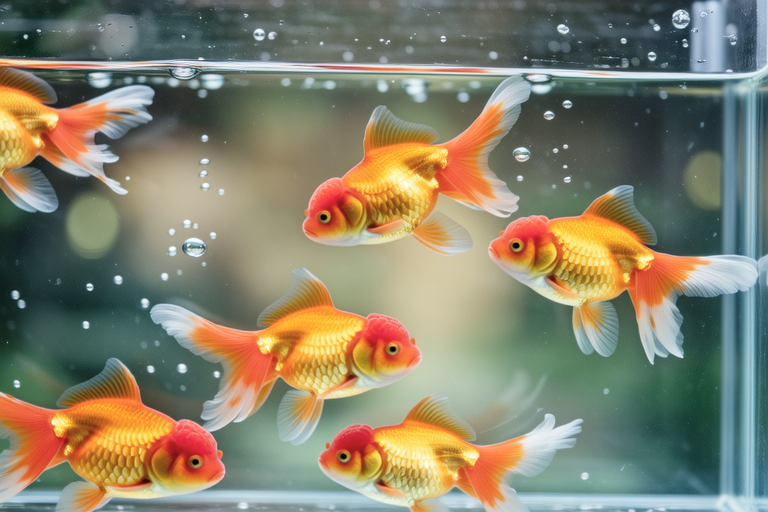
Top 10 Myths About Goldfish You Need to Stop Believing
Goldfish have been popular pets for centuries, but there are many misconceptions about their care and behavior. These myths can lead to poor living conditions for the fish, causing stress and even health issues. Let’s debunk these myths and provide you with the knowledge needed to ensure your goldfish lives a long, healthy life.
Myth 1: Goldfish Only Live for a Few Years
Why It’s Incorrect: The idea that goldfish only live for a couple of years stems from the fact that many goldfish die young due to improper care. However, this doesn’t reflect the natural lifespan of a well-cared-for goldfish.
Accurate Information: With proper care, including a suitable tank size, good water quality, and a balanced diet, goldfish can live up to 10-15 years. Some reports even suggest that goldfish can live as long as 20 years under ideal conditions.
Tips for Owners: Invest in a larger tank (at least 20 gallons for one goldfish), perform regular water changes, and feed them a varied diet to promote longevity.
Myth 2: Goldfish Can Survive in Small Bowls
Why It’s Incorrect: Many believe goldfish can thrive in small bowls because they see them sold in such conditions. However, this setup severely restricts the fish’s ability to swim and breathe properly.
Accurate Information: Goldfish require ample space to swim freely and adequate filtration to maintain water quality. A small bowl lacks both, leading to stress and health problems.
Tips for Owners: Provide at least 20 gallons of water per goldfish. This ensures they have enough room to swim and allows for proper filtration and oxygenation.
Myth 3: Goldfish Don’t Require a Filter
Why It’s Incorrect: Some think that goldfish don’t need filters because they’re hardy and can handle dirty water. This belief ignores the biological processes that keep water clean and healthy.
Accurate Information: Filters are essential for removing waste and maintaining optimal water quality. Without a filter, ammonia levels can rise, poisoning the fish.
Tips for Owners: Choose a filter that matches your tank size and consider a combination of mechanical, biological, and chemical filtration for best results.
Myth 4: Goldfish Are Colorblind
Why It’s Incorrect: The misconception that goldfish are colorblind likely comes from the fact that they don’t react to colors in the same way humans do.
Accurate Information: Goldfish can indeed see colors, and they are particularly sensitive to red, green, and blue. Their vision helps them find food and navigate their environment.
Tips for Owners: Consider adding colorful plants or decorations to stimulate your goldfish’s visual senses and create an enriching environment.
Myth 5: Goldfish Eat Anything
Why It’s Incorrect: The belief that goldfish will eat anything stems from their opportunistic feeding habits. However, this doesn’t mean they can digest all foods equally well.
Accurate Information: Overfeeding or feeding inappropriate foods can lead to digestive issues and obesity. A balanced diet is crucial for their health.
Tips for Owners: Feed your goldfish twice a day, offering only what they can consume in two minutes. Provide a variety of foods, including pellets, flakes, and occasional treats like brine shrimp or daphnia.
Myth 6: Goldfish Don’t Need Heat
Why It’s Incorrect: Some assume that goldfish don’t need heat because they are cold-water fish. While this is true to some extent, it doesn’t mean temperature control isn’t important.
Accurate Information: Maintaining a stable temperature between 68°F and 74°F (20°C to 23°C) is crucial for goldfish health. Sudden temperature changes can stress them, leading to illness.
Tips for Owners: Use a heater to stabilize water temperature, especially if your home experiences significant temperature fluctuations.
Myth 7: Goldfish Don’t Need Lighting
Why It’s Incorrect: The notion that goldfish don’t need lighting often comes from the assumption that they are nocturnal animals.
Accurate Information: While goldfish are active during both day and night, they benefit from a regular light cycle. This helps them establish a routine and supports their overall well-being.
Tips for Owners: Install a timer-controlled aquarium light to provide 8-12 hours of light per day, mimicking natural daylight cycles.
Myth 8: Goldfish Can’t Be Kept with Other Fish
Why It’s Incorrect: The belief that goldfish shouldn’t be kept with other fish is rooted in the idea that they are aggressive or incompatible with other species.
Accurate Information: Goldfish can coexist with other peaceful, cold-water fish like danios or white cloud mountain minnows. Compatibility depends on species’ temperament and environmental needs.
Tips for Owners: Research potential tankmates thoroughly and ensure they have similar water requirements and temperaments before introducing them to your goldfish.
Myth 9: Goldfish Don’t Need Toys
Why It’s Incorrect: The idea that goldfish don’t need toys may come from the perception that they lack complex behaviors or intelligence.
Accurate Information: Goldfish are intelligent creatures capable of learning tricks and recognizing their owners. Providing toys and enrichment activities can prevent boredom and promote mental stimulation.
Tips for Owners: Offer floating toys, tunnels, and interactive feeding devices to engage your goldfish and keep them mentally stimulated.
Myth 10: Goldfish Don’t Need Regular Check-ups
Why It’s Incorrect: Some people believe that goldfish don’t require veterinary care because they are hardy and resilient.
Accurate Information: Regular check-ups can help detect health issues early, preventing them from becoming serious. Veterinarians specializing in fish can provide valuable advice and treatments.
Tips for Owners: Schedule annual check-ups for your goldfish and monitor their behavior and appearance regularly for signs of distress or disease.
By understanding and addressing these myths, you can provide your goldfish with the best possible care. Remember, a well-informed owner is key to ensuring a happy, healthy, and long-lived pet. Happy fishkeeping!
