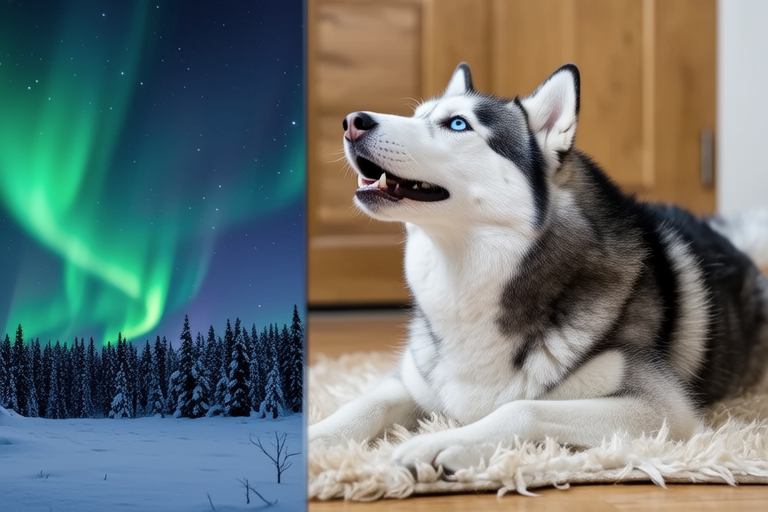
From Tundra to Couch: The Epic Journey of Siberian Huskies
The story of the Siberian husky is one of endurance, adaptability, and love. Originating in the vast, icy expanses of Siberia, these dogs were initially bred by the Chukchi people, who lived in the northeastern part of the Asian continent. The harsh, unforgiving landscape of Siberia, where temperatures could plummet to unimaginable lows, shaped the husky’s unique physical and behavioral traits. These dogs were not just companions but essential workers, playing a pivotal role in the survival of their human counterparts.
The Origins and Early Roles
In the tundra, the Siberian husky was indispensable. They were used for sledding, herding reindeer, and even as guard dogs. Their agility, strength, and stamina made them ideal for pulling sleds over long distances without tiring. This ability was crucial for the Chukchi people, who relied on these dogs to transport goods and people across the frozen wilderness. The huskies’ thick double coat, which protected them from the biting cold, was another asset. It also helped them endure the harsh conditions, making them the perfect partners for the nomadic lifestyle of their masters.
The early Siberian huskies were not just strong and resilient; they were also intelligent and loyal. These qualities were necessary for their roles, as they needed to follow complex commands and work harmoniously with their human handlers. Their loyalty was particularly important, as they often had to protect their families and belongings from potential threats in the wild.
The Evolution to Companionship
The journey of the Siberian husky from the tundra to the couch is a testament to their adaptability. In 1908, they were introduced to Alaska during the gold rush era, where they quickly gained fame for their speed and endurance in the All-Alaskan Sweepstakes race. Their performance captured the attention of many, leading to their eventual recognition as a distinct breed by the American Kennel Club in 1930.
Today, Siberian huskies are cherished pets in homes around the world. Their transformation from working dogs in the Arctic to beloved companions has been remarkable. While they still retain much of their original spirit and energy, they have adapted to become loving and playful family members. Their intelligence and eagerness to please make them excellent candidates for various activities, including agility competitions and obedience training.
Physical Traits and Temperament
Siberian huskies are known for their striking appearance. With their wolf-like features, blue or multi-colored eyes, and thick fur, they are unmistakable. Their physical traits are a direct result of their heritage, designed to help them thrive in the cold. The dense undercoat provides insulation, while the outer coat repels water and snow. Their compact bodies and strong legs allow them to move efficiently over varied terrain.
Beyond their physical attributes, Siberian huskies have a distinctive temperament. They are typically friendly, outgoing, and affectionate. However, they can be somewhat independent and may not always respond to commands immediately. This trait stems from their history as free-roaming animals that needed to think for themselves. Training a Siberian husky requires patience and consistency, as they need clear boundaries and positive reinforcement.
Adapting to Warmer Climates
Moving from the cold tundra to warmer climates presents several challenges for Siberian huskies. One of the most significant issues is overheating. Their thick coats can make it difficult for them to regulate their body temperature in hot weather. Owners must take precautions to ensure their pets stay cool, such as providing ample shade, access to fresh water, and cooling mats.
Another challenge is the potential for boredom. Siberian huskies are active and require regular exercise to keep their minds and bodies engaged. Without adequate stimulation, they may become destructive or develop behavioral problems. Providing them with toys, puzzles, and opportunities for physical activity can help alleviate this issue.
Ensuring Comfort and Well-being
To ensure the comfort and well-being of Siberian huskies in warmer environments, it’s essential to address their specific needs. Regular grooming helps to remove excess fur and prevent matting, which can cause discomfort. Additionally, owners should monitor their dogs for signs of heatstroke, such as excessive panting, lethargy, or vomiting, and seek veterinary care if symptoms arise.
Dietary considerations are also important. A balanced diet rich in protein and fats supports their energy levels and overall health. Owners should consult with a veterinarian to determine the best feeding plan for their pet, taking into account factors like age, activity level, and any existing health conditions.
Enduring Popularity and Resilience
The enduring popularity of Siberian huskies as family pets is a reflection of their resilience and loyalty. Despite their challenging origins and the difficulties of adapting to new environments, these dogs continue to captivate hearts worldwide. Their ability to bond deeply with their families and their unwavering loyalty make them cherished companions.
In conclusion, the journey of the Siberian husky from the tundra to the couch is a remarkable tale of adaptation and love. From their origins as working dogs in Siberia to their current status as beloved pets, they have proven their worth time and again. Their physical traits, temperament, and training needs all contribute to their unique place in the world of dog breeds. By understanding and addressing their specific requirements, owners can ensure that these magnificent creatures remain healthy, happy, and thriving in their new homes.
