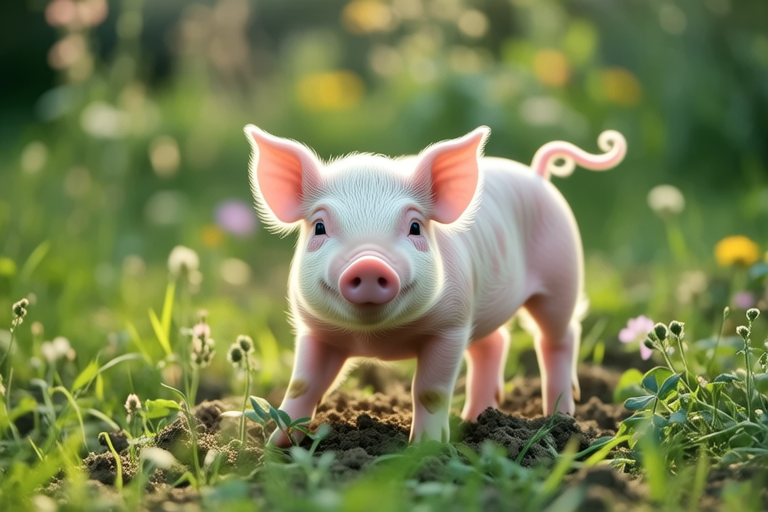
Mini Pigs: The Surprising Reasons They Make Great Pets
Welcome to the world of mini pigs! These adorable creatures have been gaining popularity as pets in recent years, and it’s no wonder why. With their compact size, intelligent nature, and unique personalities, mini pigs can be wonderful companions for those who are willing to put in the effort to understand and care for them properly. In this article, we will explore the many reasons why mini pigs make great pets, dispelling common misconceptions along the way.
Dispelling Common Misconceptions
One of the most prevalent myths about mini pigs is that they are small enough to keep in a house like a dog or cat. While some mini pigs may indeed be smaller than others, it’s important to remember that even the smallest mini pigs can still grow to be quite large. On average, mini pigs weigh between 50 to 70 pounds, though some can reach up to 150 pounds. Therefore, it’s crucial to ensure you have ample space for your mini pig to live comfortably.
Another misconception is that mini pigs require minimal care. In reality, these animals need proper nutrition, regular exercise, and mental stimulation to thrive. Proper care also includes regular veterinary check-ups and grooming. Mini pigs are highly social animals that need attention and interaction from their human family members. They can become bored and depressed if left alone for long periods, leading to destructive behavior.
Intelligence and Trainability
Mini pigs are incredibly intelligent animals. Their intelligence is comparable to that of dogs, making them highly trainable. With patience and positive reinforcement, you can teach your mini pig a variety of tricks and commands. Training sessions not only help keep your mini pig mentally stimulated but also strengthen the bond between you and your pet.
Mini pigs are known for their problem-solving abilities and curiosity. They love to explore and investigate their surroundings, which can sometimes lead to mischief. However, with proper training and boundaries, you can redirect their natural instincts into more constructive activities. For example, providing toys and puzzles designed specifically for pigs can help satisfy their need for mental stimulation while preventing boredom.
Sociability
Mini pigs are naturally social animals and thrive on companionship. They form strong bonds with their human families and often seek out affection and attention. Mini pigs enjoy being around people and can be very interactive. They love to cuddle, play, and engage in various activities with their owners. This makes them ideal companions for individuals who enjoy spending quality time with their pets.
While mini pigs are social animals, they can also be territorial and possessive. It’s important to introduce new people and animals to your mini pig gradually and under controlled circumstances. This helps prevent any aggressive or defensive behaviors that may arise from unfamiliarity. Socializing your mini pig early on can also help ensure they grow up to be well-adjusted and friendly pets.
Dietary Needs
Proper nutrition is essential for the health and well-being of your mini pig. Mini pigs are omnivores, meaning they eat both plant and animal-based foods. A balanced diet for a mini pig typically consists of high-quality commercial pig pellets, fresh vegetables, fruits, and limited amounts of grains. It’s important to avoid feeding your mini pig excessive amounts of carbohydrates, as this can lead to obesity and other health issues.
Veterinarians recommend feeding your mini pig a diet that is appropriate for its age, weight, and activity level. Consult with your veterinarian to determine the best feeding schedule and portion sizes for your specific pig. Additionally, always provide fresh water and clean food bowls to ensure your mini pig stays hydrated and healthy.
Grooming and Exercise
Mini pigs don’t require extensive grooming, but regular maintenance is necessary to keep them looking their best. Brushing your mini pig’s coat once a week can help remove loose hair and distribute natural oils. Bathing your mini pig every few months is usually sufficient unless they get particularly dirty. Be sure to use a gentle shampoo formulated for pigs and avoid getting water in their ears or eyes.
Exercise is crucial for maintaining your mini pig’s physical and mental health. Mini pigs are active animals that enjoy exploring and playing. Providing them with plenty of opportunities to move around and engage in physical activities can help prevent obesity and promote overall well-being. You can create an obstacle course or set up a play area with tunnels, toys, and other fun items to encourage exploration and play.
Unique Traits That Make Them Excellent Companions
Mini pigs have several unique traits that make them excellent companions. One of these traits is their ability to communicate effectively with humans. Mini pigs use a variety of vocalizations, body language, and facial expressions to convey their emotions and needs. Learning to understand and respond to these cues can enhance the bond between you and your pig.
Mini pigs are also known for their loyalty and protective nature. They are fiercely loyal to their human families and can be quite protective of their territory and loved ones. This makes them great watchdogs, although they are generally not aggressive unless provoked. Mini pigs are also highly adaptable and can thrive in a variety of living situations, from rural farms to urban apartments.
Tips for Potential Owners
If you’re considering adding a mini pig to your family, there are several things to keep in mind. First and foremost, ensure you have the necessary resources and commitment to provide proper care for your pig. Mini pigs require a significant investment of time, effort, and money to ensure their well-being.
Research reputable breeders and adopt from rescue organizations when possible. Always meet the pig in person before making a decision, and ask questions about their background, temperament, and care requirements. Once you bring your mini pig home, take the time to establish routines and boundaries. Consistency is key in helping your pig adjust to its new environment and develop good habits.
Lastly, be prepared for the long-term commitment. Mini pigs can live for 15 to 20 years or more, so adopting one is a lifelong responsibility. However, the joy and companionship they provide make it all worthwhile. With proper care and attention, your mini pig will be a loving and loyal member of your family for many years to come.
