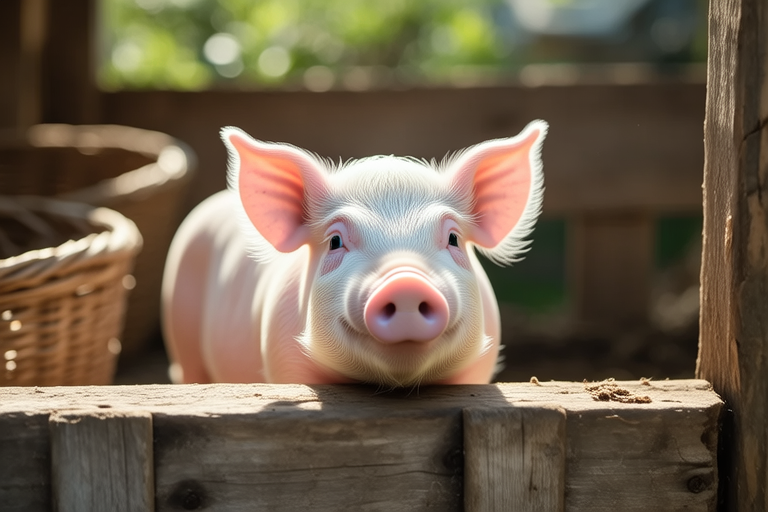
Adopting a Mini Pig? Here’s What You Need to Know Before Saying Yes
Mini pigs have become increasingly popular as pets in recent years, captivating hearts with their compact size and endearing personalities. Often mistaken for being low-maintenance, these intelligent animals require thoughtful consideration before bringing one into your home. This guide aims to provide you with all the essential information to help you decide if a mini pig is the right pet for you.
The Growing Popularity of Mini Pigs
The surge in mini pig ownership can be attributed to their small size, which makes them seem like a more manageable alternative to larger livestock. However, it’s important to understand that mini pigs are not just miniature versions of their larger counterparts; they have unique needs that must be met for their well-being.
Responsibilities Involved in Caring for a Mini Pig
One of the first things to consider when thinking about adopting a mini pig is the level of responsibility required. Mini pigs are highly social creatures that need regular interaction and stimulation. They thrive in environments where they are part of the family and receive attention daily. Additionally, mini pigs require consistent care, including grooming, nail trimming, and regular veterinary check-ups.
Dietary Needs
Feeding a mini pig correctly is crucial for their health and longevity. Their diet should consist primarily of high-quality commercial pig feed designed for their specific age and size. Avoid feeding them table scraps, especially those containing high levels of sugar or salt, as these can lead to obesity and other health problems. It’s also important to ensure they have access to fresh water at all times.
Space Requirements
While mini pigs are smaller than standard farm pigs, they still need ample space to move around freely. A spacious indoor area with easy access to an outdoor pen or yard is ideal. The outdoor space should be secure, with fencing that prevents escape and protects against predators. Inside the house, you’ll need to provide a comfortable sleeping area and ensure that any furniture or belongings are secured to prevent damage.
Behavioral Traits
Mini pigs are curious, intelligent, and social animals. They enjoy interacting with people and can learn simple commands and tricks. However, they can also exhibit destructive behaviors if left alone for too long or not given enough mental and physical stimulation. Providing toys and activities that challenge their minds will help keep them entertained and prevent boredom-related issues.
Common Health Issues
Like any animal, mini pigs are prone to certain health conditions. Regular vet visits are necessary to catch any potential issues early. Some common health concerns include respiratory infections, skin conditions, and digestive problems. Obesity is another significant issue, so monitoring their diet and ensuring they get adequate exercise is vital.
Preparing Your Home and Lifestyle
Before bringing a mini pig into your home, take time to prepare both your living space and your lifestyle. Ensure your home is safe and secure, with no small objects or toxic plants within reach. Consider how a mini pig might fit into your daily routine and whether you’re willing to adjust your schedule to accommodate their needs. Having a clear understanding of what it takes to care for a mini pig will set you up for success.
Where to Adopt a Mini Pig Responsibly
When considering adopting a mini pig, it’s important to choose a reputable source. Reputable breeders and shelters prioritize the health and welfare of the animals they care for. Look for organizations that provide detailed information about each pig’s history, temperament, and any special needs. Adopting from a shelter or rescue group not only gives a pig a second chance but also supports these valuable resources.
Ongoing Support and Education
Becoming a mini pig owner means committing to lifelong learning and support. Joining local or online communities dedicated to mini pig care can provide valuable insights and connections with experienced owners. Many groups offer forums, webinars, and meetups where you can share experiences and learn from others. Additionally, staying informed through reliable sources such as books, articles, and professional advice will help ensure you provide the best possible care for your new pet.
In conclusion, adopting a mini pig is a significant decision that requires careful thought and preparation. By understanding the responsibilities, dietary needs, space requirements, behavioral traits, and common health issues associated with mini pigs, you can make an informed choice about whether this unique and charming animal is the right fit for your family. With proper care and attention, a mini pig can bring joy and companionship for many years to come.
