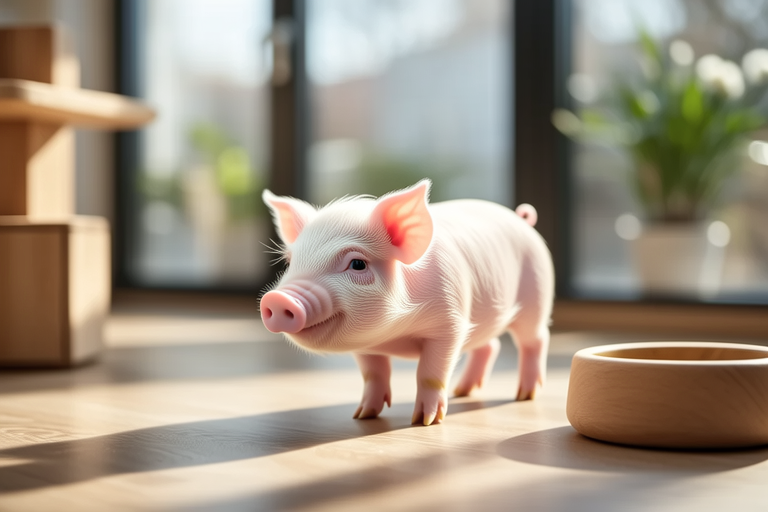
The Ultimate Guide to Keeping Your Mini Pig Happy and Healthy at Home
Mini pigs have become increasingly popular pets over the past few decades, and it’s easy to see why. Their intelligence, affectionate nature, and unique appearance make them captivating companions. However, like any other pet, they require specific care to ensure their happiness and well-being. This comprehensive guide will provide you with all the information you need to keep your mini pig healthy, happy, and thriving at home.
Diet Requirements
Proper nutrition is crucial for maintaining your mini pig’s health. A balanced diet should consist primarily of commercial mini pig feed, which contains essential nutrients tailored to their dietary needs. These feeds are formulated to meet the specific nutritional requirements of mini pigs, including a balanced ratio of proteins, fats, carbohydrates, vitamins, and minerals.
Avoid feeding your mini pig human food, as it can lead to obesity and other health issues. If you want to offer treats, opt for fruits and vegetables that are safe for pigs, such as carrots, apples, and leafy greens. Always introduce new foods gradually to prevent digestive upset.
Ensure your mini pig has access to clean, fresh water at all times. Dehydration can be dangerous for mini pigs, so monitor their water intake regularly.
Exercise Needs
Mini pigs are naturally active animals that require regular physical activity to stay healthy. Providing ample space for them to roam and explore is essential. Consider creating a designated play area within your home or backyard where your mini pig can move around freely.
Interactive toys and puzzles can also help stimulate their minds and encourage physical activity. Toys that promote foraging behavior, such as treat-dispensing balls or hidden snacks, are particularly beneficial. Engage in daily play sessions with your mini pig to strengthen your bond and ensure they get enough exercise.
Outdoor time is important for mini pigs, but always supervise them when they’re outside. Mini pigs are curious creatures and may wander off if left unattended.
Suitable Living Environments
Creating a comfortable and safe living environment for your mini pig is vital for their overall well-being. Mini pigs thrive in spaces that are clean, warm, and dry. Provide a cozy sleeping area with soft bedding, such as straw or blankets, and ensure the temperature remains consistent throughout the day.
Adequate ventilation is also crucial to prevent respiratory issues. Avoid placing your mini pig’s living area near drafty windows or doors. Additionally, consider installing non-slip flooring to prevent accidents and injuries.
If you have a backyard, you can create an outdoor enclosure for your mini pig. Ensure the enclosure is secure, with sturdy fencing to prevent escapes. Provide shade, shelter, and a water source within the enclosure.
Grooming Tips
Regular grooming helps maintain your mini pig’s coat and skin health. Brush your mini pig’s fur weekly to remove loose hair and prevent matting. Use a soft-bristled brush designed for small animals. Bathing should be done sparingly, as too much bathing can strip natural oils from their skin.
Clean your mini pig’s ears and nails regularly. Check their ears for signs of infection or irritation, and gently wipe them with a damp cloth. Trim their nails every few weeks if necessary. Consult with your veterinarian if you’re unsure about nail trimming.
Teeth cleaning is another important aspect of grooming. Mini pigs’ teeth continuously grow, so providing appropriate chew toys can help wear down excess growth. However, some pigs may still require professional dental care, so schedule regular check-ups with your vet.
Common Health Issues
Like any animal, mini pigs are susceptible to certain health problems. Obesity is one of the most common issues, often caused by overfeeding or lack of exercise. To prevent obesity, stick to a balanced diet and ensure your mini pig gets plenty of physical activity.
Respiratory infections can occur if your mini pig lives in an environment with poor air quality. Signs of respiratory distress include coughing, sneezing, and difficulty breathing. Keep your mini pig’s living area well-ventilated and consult a veterinarian if you notice any respiratory symptoms.
Parasites, both internal and external, can affect mini pigs. Fleas, ticks, and mites are common external parasites, while worms and coccidia are common internal parasites. Regular deworming and flea control treatments, as recommended by your veterinarian, can help protect your mini pig from these pests.
Advice for Socializing Mini Pigs
Mini pigs are social animals that enjoy interacting with humans and other animals. Proper socialization is essential for building trust and fostering positive relationships. Begin socializing your mini pig from a young age by introducing them to different people, environments, and experiences.
Handle your mini pig gently and consistently to help them feel secure and comfortable. Encourage gentle play and avoid roughhousing, which can lead to behavioral issues. Positive reinforcement training techniques, such as clicker training, can also be effective for teaching your mini pig basic commands and good manners.
Introducing your mini pig to other animals should be done carefully and under supervision. Some mini pigs may get along well with other pets, while others may show aggression or fear. Monitor interactions closely and separate them if necessary.
Importance of Regular Veterinary Care
Regular veterinary care is essential for ensuring your mini pig’s long-term health and well-being. Schedule routine check-ups with your veterinarian to monitor your mini pig’s weight, overall health, and vaccination status. Vaccinations protect against common diseases and should be administered according to your veterinarian’s recommendations.
Spaying or neutering your mini pig is also highly recommended. This procedure not only prevents unwanted litters but also reduces the risk of certain health issues, such as uterine infections in females and testicular cancer in males.
Your veterinarian can also provide guidance on proper nutrition, exercise, and grooming based on your mini pig’s individual needs. Don’t hesitate to consult your vet if you have any concerns about your mini pig’s health or behavior.
Mental Stimulation
Mental stimulation is just as important as physical exercise for mini pigs. These intelligent animals thrive on mental challenges and can become bored or destructive if left without adequate stimulation. Provide a variety of toys and activities to keep your mini pig engaged and entertained.
Puzzle toys, treat-dispensing devices, and interactive games can help stimulate your mini pig’s mind. Rotate toys periodically to keep things interesting and prevent boredom. Spend time each day playing with your mini pig to strengthen your bond and provide mental enrichment.
Training sessions can also serve as excellent mental stimulation. Teach your mini pig simple commands or tricks using positive reinforcement techniques. Training not only provides mental stimulation but also helps build a strong relationship between you and your mini pig.
Dispelling Myths and Misconceptions
There are several myths and misconceptions surrounding mini pig care that can lead to improper treatment. One common myth is that mini pigs can eat unlimited amounts of food. In reality, mini pigs require a balanced diet and portion control to maintain a healthy weight.
Another misconception is that mini pigs don’t need much space. While mini pigs can adapt to smaller living areas, they still require ample room to move around and exercise. Providing a spacious living environment is essential for their physical and mental well-being.
Some people believe that mini pigs are low-maintenance pets. However, mini pigs require regular care, including grooming, exercise, and socialization. They are intelligent animals that demand attention and engagement from their owners.
In conclusion, keeping your mini pig happy and healthy at home requires careful attention to their dietary needs, exercise requirements, living environment, grooming practices, and socialization. By following the advice outlined in this guide and consulting with your veterinarian regularly, you can ensure your mini pig leads a fulfilling and joyful life. Remember, mini pigs are unique and intelligent creatures deserving of love, respect, and proper care.
