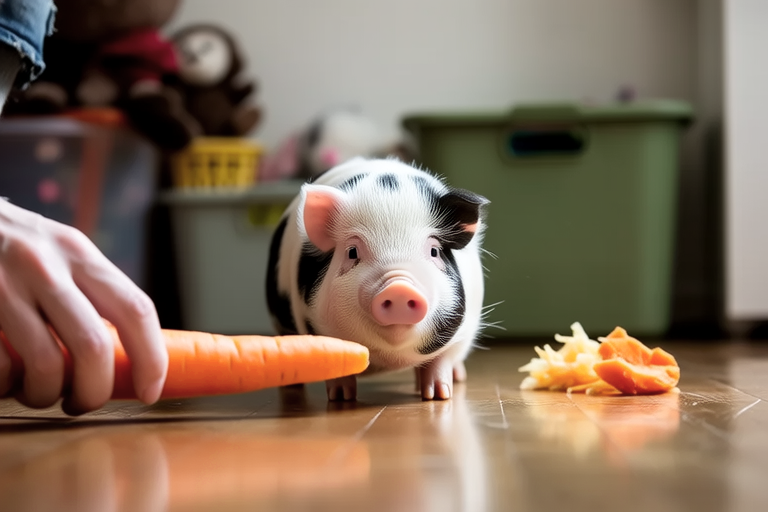
Training Tricks with Your Clever Guinea Pig
Welcome to the wonderful world of guinea pig training! Known for their gentle nature and expressive personalities, guinea pigs are surprisingly intelligent and trainable pets. These small animals have been domesticated for centuries and are capable of learning a variety of tricks with the right encouragement and training techniques. Their intelligence is often underestimated, but with patience and consistency, you can teach your guinea pig some impressive tricks that will delight both you and your furry friend.
Understanding Guinea Pig Intelligence and Trainability
Guinea pigs are social creatures that thrive on interaction and mental stimulation. They are quick learners and can be trained to perform simple commands, such as sitting or coming when called. Their ability to learn is influenced by several factors, including their age, health, and previous experiences. Younger guinea pigs tend to be more adaptable and quicker to learn new things, while older guinea pigs may require more time and patience. Regardless of their age, however, every guinea pig has the potential to learn and respond positively to training.
One key aspect of guinea pig training is understanding their body language. Like other animals, guinea pigs communicate through various vocalizations and physical cues. Learning to recognize these signals will help you better understand your pet’s needs and responses during training sessions. For example, a guinea pig may squeak softly when it wants attention or food, while a louder squeal might indicate discomfort or distress. By paying close attention to these cues, you can create a more effective and enjoyable training experience for both you and your guinea pig.
Basic Training Tips
The foundation of any successful training program is positive reinforcement. This method involves rewarding your guinea pig for desired behaviors, encouraging them to repeat those actions in the future. The most common form of positive reinforcement for guinea pigs is the use of treats. Choose treats that are small and easy to digest, such as small pieces of fresh vegetables or commercial guinea pig treats. Avoid overfeeding, as treats should only make up a small portion of your guinea pig’s diet.
When introducing treats, always ensure they are safe for your guinea pig to eat. Some vegetables, such as broccoli and kale, are excellent choices, while others, like iceberg lettuce, should be avoided due to their high water content and lack of nutritional value. Additionally, consider offering different types of treats to keep your guinea pig interested and motivated during training sessions.
Another important aspect of positive reinforcement is timing. It’s crucial to reward your guinea pig immediately after they perform the desired behavior. This helps them associate the treat with the action, reinforcing the link between the two. If you wait too long to give the treat, your guinea pig may become confused or lose interest in the training session.
Step-by-Step Guide to Training Tricks
Simple Commands: “Come” and “Sit”
Coming When Called: To teach your guinea pig to come when called, start by sitting or kneeling in a quiet area where your guinea pig feels comfortable. Hold a treat in one hand and call your guinea pig’s name. When they approach you, say “Good!” and offer them the treat. Repeat this process several times, gradually increasing the distance between you and your guinea pig. Over time, they will learn to associate your voice with the treat and come to you whenever you call.
Sitting: Teaching your guinea pig to sit is another straightforward trick that can be accomplished with positive reinforcement. Begin by holding a treat just above your guinea pig’s head, encouraging them to stand on their hind legs. As soon as they raise their back end off the ground, say “Sit!” and give them the treat. Repeat this process several times until your guinea pig understands the command and responds without needing the treat to be held above their head. Once they consistently sit on command, you can introduce a clicker or verbal marker word to signal the correct behavior before giving the treat.
Intermediate Tricks: “Spin” and “Wave”
Spinning: To teach your guinea pig to spin, hold a treat in front of their nose and slowly move it in a circle, prompting them to follow the treat with their head. As they complete the circle, say “Spin!” and give them the treat. Repeat this process several times, gradually reducing the size of the circle and eventually removing the treat from the equation. With consistent practice, your guinea pig will learn to spin on command.
Waving: Teaching your guinea pig to wave is slightly more challenging but still achievable with patience and persistence. Start by holding a treat in your hand and gently touch your guinea pig’s paw. As they lift their paw, say “Wave!” and give them the treat. Repeat this process several times, gradually increasing the duration of the paw lift before rewarding them. Eventually, your guinea pig will learn to wave on command, extending their paw when you say “Wave!”
Advanced Tricks: “Jump” and “Fetch”
Jumping: To teach your guinea pig to jump, place a small obstacle, such as a low cardboard box or a book, in front of them. Hold a treat just beyond the obstacle and encourage your guinea pig to jump over it to reach the treat. As they jump, say “Jump!” and give them the treat. Gradually increase the height of the obstacle as your guinea pig becomes more confident and skilled at jumping. Remember to keep the jumps low and safe, ensuring your guinea pig does not get injured during training.
Fetching: Teaching your guinea pig to fetch requires a bit more creativity and patience. Start by placing a small, lightweight object, such as a soft ball or a rolled-up piece of paper, within reach of your guinea pig. Encourage them to push the object towards you, saying “Fetch!” as they do so. Once they bring the object to you, reward them with a treat. Repeat this process several times, gradually increasing the distance between you and the object. With consistent practice, your guinea pig will learn to fetch on command, bringing the object to you whenever you ask.
The Importance of Consistency and Patience
Consistency and patience are essential components of successful guinea pig training. Guinea pigs, like all animals, thrive on routine and repetition. By practicing regularly and maintaining a consistent approach, you can reinforce the desired behaviors and help your guinea pig learn more quickly. Each training session should be short and focused, typically lasting no more than 10-15 minutes. This keeps your guinea pig engaged and prevents them from becoming overwhelmed or bored.
Patience is equally important when training your guinea pig. Every animal learns at its own pace, and it’s crucial to avoid frustration or impatience during training sessions. If your guinea pig doesn’t seem to understand a particular command or trick, take a break and try again later. By remaining calm and patient, you’ll create a positive and supportive training environment that encourages your guinea pig to learn and grow.
Maintaining a Positive Training Environment
To maintain a positive training environment, it’s important to create a safe and stimulating space for your guinea pig. A quiet room with minimal distractions is ideal for training sessions, allowing your guinea pig to focus on the task at hand. Additionally, ensure that your guinea pig is comfortable and relaxed during training. If they appear stressed or anxious, take a break and try again later when they’re feeling more at ease.
It’s also essential to provide regular breaks during training sessions. Guinea pigs have limited attention spans, and taking frequent breaks will help keep them engaged and motivated. Use these breaks to offer your guinea pig some free playtime or exploration, allowing them to burn off excess energy and return to training refreshed and ready to learn.
Signs of a Well-Trained Guinea Pig
A well-trained guinea pig will exhibit several signs of progress and success. First and foremost, they will respond consistently to commands and tricks, performing the desired behaviors reliably and confidently. Additionally, a well-trained guinea pig will demonstrate good manners and social skills, interacting positively with family members and other pets in the household. They may also show increased confidence and curiosity, exploring their surroundings with enthusiasm and engaging in playtime with greater energy and excitement.
Remember, the goal of guinea pig training is not only to teach your pet new tricks but also to strengthen the bond between you and your furry friend. By investing time and effort into training, you’ll create a deeper connection with your guinea pig and enjoy countless moments of joy and companionship together.
