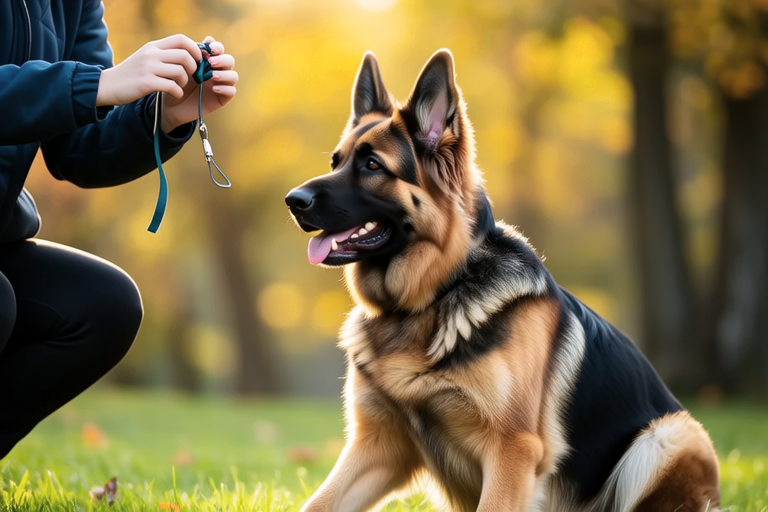
How to Train Your German Shepherd Like a Pro
Welcome to your comprehensive guide on how to train your German Shepherd like a pro. This guide will cover everything from understanding basic commands to managing their energy levels and overcoming common challenges. Whether you’re a new owner or an experienced one, this guide will provide you with practical examples and expert insights to help you train your German Shepherd effectively.
Understanding Basic Commands
The foundation of any successful training program is teaching your German Shepherd basic commands. These commands are essential for safety, control, and communication. Start by teaching simple commands such as ‘sit,’ ‘stay,’ ‘come,’ and ‘leave it.’ Use short, clear commands and consistent hand signals to make learning easier for your dog.
- Sit: Hold a treat near your dog’s nose and slowly move it up and back over its head. As the dog follows the treat, its bottom should naturally touch the ground. Say ‘sit’ just before they sit down and give them the treat as a reward. Repeat this process several times a day until they respond to the command without the need for the treat.
- Stay: Begin with the ‘sit’ command, then extend your hand palm out in front of your dog and say ‘stay.’ Take a few steps back and wait for a moment before returning to your dog and rewarding them if they remain in place. Gradually increase the distance and duration of the stay command as your dog becomes more comfortable.
- Come: Teach your dog to come when called by using a happy tone and a short, sharp command like ‘come.’ Always reward your dog with praise and treats when they return to you. If they don’t come immediately, try using a recall whistle or a clicker to get their attention.
- Leave It: Place a treat in your closed hand and let your dog sniff it. When they try to take it, say ‘leave it’ and keep your hand closed. Once they stop trying to take the treat, open your hand and let them have the treat as a reward. Practice this command with different objects to reinforce the behavior.
Consistency is key when teaching these commands. Use the same words and hand signals every time, and practice regularly in various environments to ensure your dog can follow the commands anywhere.
Effective Positive Reinforcement Techniques
Positive reinforcement is a powerful tool in dog training. It involves rewarding desirable behaviors to encourage repetition. The most effective way to use positive reinforcement is through praise, treats, and toys. Timing is crucial; rewards should be given immediately after the desired behavior to strengthen the association.
- Praise: Use a happy, excited tone of voice when praising your dog. Dogs respond well to enthusiastic praise, so be sure to sound genuinely pleased. Verbal praise works best when paired with physical affection, such as petting or rubbing your dog’s belly.
- Treats: Choose small, soft treats that your dog enjoys. Treats should be used sparingly to avoid weight gain but generously enough to motivate your dog. Keep treats handy during training sessions, and always offer them immediately after your dog performs the desired behavior.
- Toys: Some dogs are more motivated by toys than treats. If your German Shepherd prefers toys, use them as rewards during training. Tug-of-war games, fetch, and other interactive play can also serve as excellent motivators.
Remember, positive reinforcement works best when combined with patience and consistency. Be patient with your dog as they learn, and maintain a consistent approach to training. Avoid using punishment or negative reinforcement, as these methods can lead to fear, anxiety, and aggression.
Tips for Socializing Your German Shepherd
Socialization is crucial for your German Shepherd’s development. Proper socialization helps prevent behavioral issues and ensures your dog is comfortable around people, animals, and various environments. Start socializing your puppy as early as possible, ideally between eight and twelve weeks of age. Continue socializing throughout your dog’s life to maintain good behavior.
- People: Introduce your German Shepherd to people of all ages, genders, and ethnicities. Encourage friends and family members to interact with your dog in a positive manner. Have visitors bring treats to reward your dog for good behavior.
- Other Animals: Expose your dog to other pets, especially those they might encounter frequently, such as cats or other dogs. Supervise interactions and reward calm behavior. Consider enrolling your dog in a puppy class where they can interact with other puppies in a controlled environment.
- Environments: Take your German Shepherd to different places, such as parks, beaches, and shopping centers. Let them experience various surfaces, sounds, and smells. Reward calm behavior in new environments to help your dog feel at ease.
Be patient during the socialization process. Some dogs may be hesitant or fearful at first, but with time and positive experiences, they will become more confident and comfortable. Avoid overwhelming your dog with too many new experiences at once, and always supervise interactions to ensure safety.
Advice on Managing Their Energy Levels
German Shepherds are an active breed that requires plenty of exercise and mental stimulation. Managing their energy levels is crucial for preventing behavioral issues and keeping your dog healthy and happy. Here are some tips for managing your German Shepherd’s energy:
- Exercise: Daily walks, runs, and playtime are essential for keeping your German Shepherd physically fit. Aim for at least two hours of exercise per day, including brisk walks, jogging, and interactive play. Consider activities such as agility training, flyball, or obedience competitions to challenge your dog mentally and physically.
- Mental Stimulation: Puzzle toys, treat-dispensing toys, and training sessions can help keep your German Shepherd mentally engaged. Rotate toys regularly to prevent boredom and introduce new challenges to keep your dog interested. Training sessions can also serve as a form of mental stimulation, so incorporate them into your daily routine.
- Rest: While exercise is important, it’s equally vital to ensure your German Shepherd gets adequate rest. Provide a comfortable, quiet space for your dog to relax and sleep. Establish a regular sleep schedule to help your dog develop healthy sleep habits.
By providing ample exercise, mental stimulation, and rest, you can manage your German Shepherd’s energy levels effectively and promote a balanced lifestyle.
Common Challenges Faced During Training
Training a German Shepherd can present unique challenges due to their intelligence, independence, and strong desire to please. Here are some common challenges you may face and tips for overcoming them:
- Barking: German Shepherds are known for their vocal nature. Barking can be a result of boredom, excitement, or separation anxiety. To address barking, identify the trigger and work on redirecting your dog’s attention. Teach your dog the ‘quiet’ command by saying ‘quiet’ and offering a treat when they stop barking. Praise them for being quiet and gradually increase the duration of silence required for a reward.
- Chewing: Chewing is a natural behavior for puppies and young dogs. Provide appropriate chew toys and redirect your dog’s attention to these items when they start chewing on inappropriate objects. Praise your dog for chewing on the correct items and discourage chewing on furniture or shoes by using a firm ‘no’ followed by redirection to an appropriate toy.
- Separation Anxiety: Separation anxiety can manifest as destructive behavior, excessive barking, or pacing when left alone. To alleviate separation anxiety, gradually increase the time your dog spends alone. Start by leaving your dog alone for short periods and gradually increase the duration. Provide a safe, comfortable space with familiar toys and a calming scent, such as lavender or pheromone diffusers.
- Aggression: Aggression can be a serious issue and should be addressed immediately. Consult a professional trainer or behaviorist if your German Shepherd displays aggressive behavior. Avoid punishing your dog, as this can worsen the problem. Instead, focus on building trust and confidence through positive reinforcement and desensitization techniques.
Remember, every dog is unique, and what works for one may not work for another. Be patient and persistent in addressing these challenges, and seek professional help if needed.
Conclusion
Training your German Shepherd like a pro requires patience, consistency, and dedication. By teaching basic commands, using positive reinforcement, socializing your dog, managing their energy levels, and addressing common challenges, you can build a strong bond with your furry friend and ensure they are well-behaved and happy. Remember, training is an ongoing process, and with time and effort, you can turn your German Shepherd into a well-trained and obedient companion.
