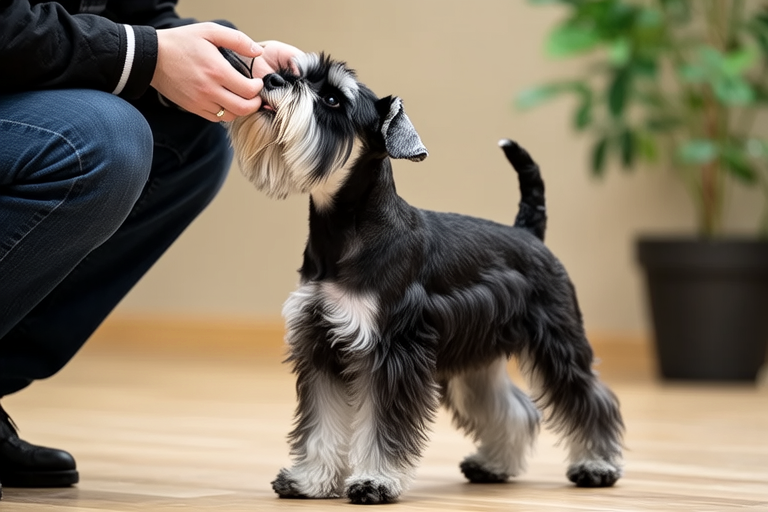
The Ultimate Guide to Training Your Schnauzer Like a Pro
Welcome to The Ultimate Guide to Training Your Schnauzer Like a Pro! Whether you’re a new Schnauzer owner or an experienced one looking to refine your training skills, this guide will provide you with all the information you need to successfully train your Schnauzer. From understanding their behavior to overcoming common challenges, we’ll cover everything you need to know.
Understanding Schnauzer Behavior
Schnauzers are intelligent, energetic, and loyal dogs that require consistent training. They can be stubborn at times, so patience and positive reinforcement are key. Understanding their natural behaviors and instincts is crucial for effective training. Schnauzers are known for their alertness, making them excellent watchdogs, but they also have a playful side that needs to be channeled appropriately.
Essential Training Techniques
Positive Reinforcement Methods
Positive reinforcement is the foundation of successful dog training. It involves rewarding desired behaviors to encourage repetition. Use treats, praise, and affection to reinforce good behavior. For example, when your Schnauzer follows a command, immediately reward them with a treat and verbal praise like “Good boy/girl!” This helps them associate the action with a positive outcome.
Consistency and Patience
Consistency is vital in training. Use the same commands and techniques every time to avoid confusing your Schnauzer. Be patient; some dogs may take longer to learn than others. Avoid punishment-based training, as it can lead to fear and aggression. Instead, focus on building a strong bond through positive interactions.
Establishing Routines
Dogs thrive on routine. Establish a daily schedule that includes feeding, exercise, and training sessions. Consistent routines help your Schnauzer understand what is expected of them and reduce anxiety. Allocate specific times for meals, walks, playtime, and training. This structure provides a sense of security and predictability, which is especially important for Schnauzers.
Socialization Practices
Socialization is crucial for developing well-rounded Schnauzers. Expose them to various environments, people, and other animals from an early age. This helps prevent behavioral issues such as shyness or aggression. Take your Schnauzer to dog parks, pet stores, and different locations to familiarize them with new sights, sounds, and smells. Encourage positive interactions with strangers and other pets to build confidence and good manners.
Exercises to Enhance Obedience and Agility
Basic Commands
Start with basic commands such as “sit,” “stay,” “come,” and “leave it.” These commands form the foundation of obedience training. Break down each command into simple steps and practice in short, frequent sessions. For example, to teach “sit,” hold a treat above your Schnauzer’s head and say “sit” while gently pressing their hindquarters down. Once they sit, give them the treat and praise.
Agility Training
Agility training is great for Schnauzers due to their energy levels and intelligence. Set up an obstacle course using items like tunnels, jumps, and weave poles. Start with simple tasks and gradually increase difficulty as your Schnauzer becomes more comfortable. Reward correct responses with treats and praise to motivate them. Agility training not only improves physical fitness but also strengthens the bond between you and your dog.
Common Challenges and Strategies
Barking
Schnauzers can be vocal, and excessive barking is a common issue. Identify the cause of the barking, whether it’s boredom, excitement, or territorial behavior. Redirect their attention by giving them a toy or engaging in a fun activity. Teach the “quiet” command by saying “quiet” and waiting for a momentary pause in the barking before rewarding them. Gradually increase the duration of silence required for a reward.
Chewing
Chewing is natural for puppies and Schnauzers, but it can become problematic if not managed properly. Provide appropriate chew toys and redirect chewing behavior towards these items. Supervise your Schnauzer during playtime to ensure they don’t chew on inappropriate objects. Praise them when they chew on the right things to reinforce the desired behavior.
Tips for New Owners
If you’re a new Schnauzer owner, remember that training takes time and effort. Be patient and consistent in your approach. Seek guidance from experienced trainers or join local dog clubs for support and advice. Celebrate small victories along the way to keep both you and your Schnauzer motivated.
Conclusion
Training your Schnauzer requires dedication, consistency, and a deep understanding of their unique behaviors and needs. By following the techniques and strategies outlined in this guide, you’ll be well on your way to raising a well-behaved, obedient, and happy Schnauzer. Remember, every dog is different, so adapt these methods to suit your individual pet. With love, patience, and positive reinforcement, you’ll build a strong bond and create a harmonious relationship with your Schnauzer.
