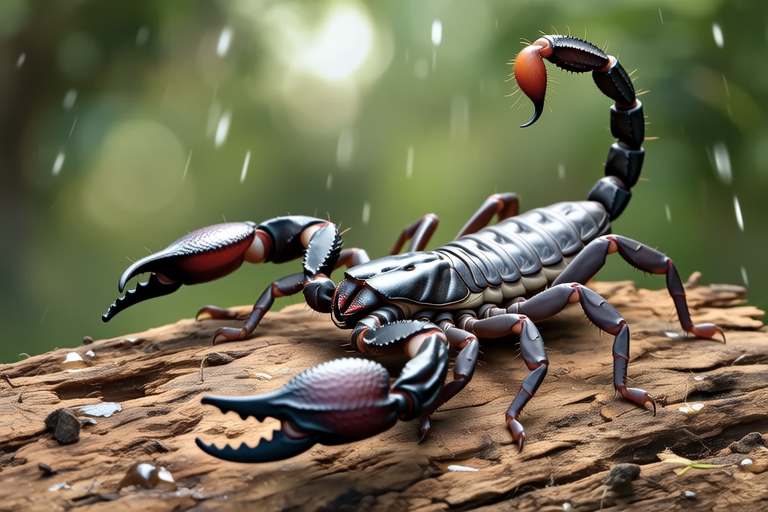
Heterometrus spinifer: The Thorny Scorpion
The Heterometrus spinifer, commonly known as the thorny scorpion, is a fascinating member of the scorpion family. This species, native to Southeast Asia, boasts unique physical traits, intriguing behaviors, and a rich history of myth and misconception. Understanding the thorny scorpion provides valuable insights into the diversity and complexity of arachnid life.
Physical Characteristics
The Heterometrus spinifer is easily distinguishable by its robust body structure and the distinctive thorn-like projections on its tail. These spines are not only visually striking but also play a crucial role in the scorpion’s defense mechanism. The overall length of this species can reach up to 12 centimeters, making it one of the larger scorpions in its region. Its coloration varies from light brown to dark reddish-brown, allowing it to blend seamlessly with its natural habitat.
Habitat and Distribution
Native to the tropical and subtropical regions of Southeast Asia, the Heterometrus spinifer thrives in environments such as rainforests, caves, and dense undergrowth. It prefers areas with high humidity and ample hiding spots, which provide protection from predators and harsh weather conditions. The species has been reported in countries like India, Thailand, Malaysia, and Indonesia, where it plays an essential role in local ecosystems.
Behavior and Hunting Techniques
The thorny scorpion is primarily nocturnal, emerging at night to hunt for prey. Its diet consists mainly of insects, spiders, and small vertebrates. The scorpion’s sensory system, particularly its pectines (comb-like structures on the underside of the abdomen), helps detect vibrations and chemicals in the environment, aiding in locating potential food sources. When hunting, the Heterometrus spinifer employs stealth and patience, creeping slowly towards its target before delivering a swift strike with its claws.
Venom and Defensive Mechanisms
Despite its intimidating appearance, the venom of the Heterometrus spinifer is relatively mild compared to other scorpion species. It contains neurotoxins that can cause localized pain, swelling, and temporary numbness in humans. However, fatalities are extremely rare. The primary purpose of the venom is to immobilize prey, rather than to serve as a defensive weapon. In cases of self-defense, the scorpion will typically lift its tail and present the stinger, ready to strike if threatened.
Distinguishing Features
One of the most notable features of the Heterometrus spinifer is its tail, which is equipped with prominent thorns. These thorns are believed to have evolved as a deterrent against predators, adding an extra layer of protection to the already formidable stinger. Additionally, the scorpion’s large size and robust build set it apart from many other species, making it a dominant predator within its ecological niche.
Myths and Misconceptions
Throughout history, the Heterometrus spinifer has been the subject of numerous myths and misconceptions. One common belief is that all scorpions are highly dangerous and capable of delivering fatal stings. While it is true that some species possess potent venom, the Heterometrus spinifer falls into the category of less dangerous scorpions. Another myth suggests that scorpions glow under ultraviolet light due to their venom. In reality, the fluorescence is caused by a protein in their exoskeleton, unrelated to venom potency.
Cultural Significance
In many cultures, the thorny scorpion holds symbolic significance. For instance, in traditional Chinese medicine, various parts of the scorpion are used for medicinal purposes, believed to alleviate pain and treat certain ailments. Additionally, the scorpion’s resilience and adaptability make it a symbol of strength and survival in folklore and literature.
Conservation Efforts
As human activities continue to encroach upon the natural habitats of the Heterometrus spinifer, conservation efforts are becoming increasingly important. Protecting these ecosystems not only ensures the survival of the species but also preserves biodiversity and maintains ecological balance. Organizations and initiatives focused on wildlife conservation play a vital role in raising awareness and implementing measures to safeguard the future of the thorny scorpion and its environment.
Conclusion
The Heterometrus spinifer, with its unique physical attributes, intriguing behaviors, and cultural significance, stands out as a remarkable creature in the world of arachnids. By understanding and appreciating this species, we gain valuable insights into the complexity of nature and the importance of conservation. Whether you are an enthusiast or a newcomer to the study of arachnids, the thorny scorpion offers a captivating glimpse into the wonders of the natural world.
