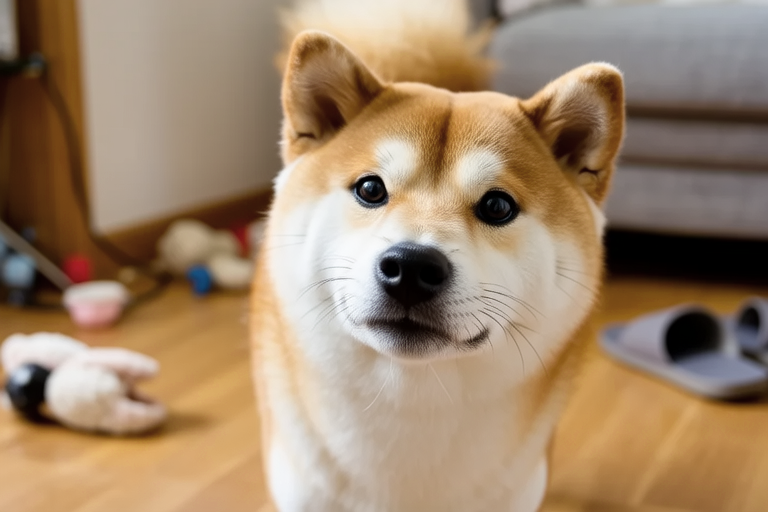
Shiba Inu Behaviors and Activities When Owners Are Away
Shiba Inus are known for their independent nature, making them unique companions. Their behavior when left alone can vary widely depending on individual personalities and environmental factors. Understanding these behaviors is essential for ensuring their well-being and providing an enriching environment. This article explores the typical daily routines, favorite napping spots, interactions with household items, explorations around the house, and peculiar habits of Shiba Inus when their owners are away.
Daily Routines
Shiba Inus have distinct daily routines that reflect their independent spirit. Upon waking up, they may stretch and yawn, showing signs of relaxation. They often engage in some grooming, licking their paws or using their tongues to clean their faces meticulously. This self-grooming ritual is part of their natural behavior, akin to wild canines maintaining cleanliness.
After morning grooming, Shibas might head straight to a favorite spot to watch the world go by through a window. This could be a quiet corner near a window where they can observe birds, squirrels, or passersby. The window-watching activity is not only entertaining but also provides mental stimulation, helping to alleviate boredom.
Lunchtime is another crucial period in their day. If fed at specific times, Shibas will eagerly wait for their food. Once fed, they usually settle down for a nap or engage in light play if there are toys available. The afternoon routine often involves more napping or exploring the house. Shibas are curious creatures, and this curiosity leads them to investigate various areas of the home.
Favorite Napping Spots
Shibas love cozy, secluded spaces for napping. Their preferred spots are usually elevated, such as on top of a couch, a high shelf, or even a windowsill. These elevated positions offer a sense of security and a vantage point to survey their surroundings. Some Shibas prefer tight, enclosed spaces like under beds or inside closets, which mimic the dens they would have in the wild.
The choice of napping spot can also depend on temperature. During colder months, Shibas might seek out warmer areas, such as near a heater or in a sunbeam. Conversely, in warmer weather, they may opt for cooler, shaded spots. Understanding these preferences helps owners create comfortable environments that cater to their pets’ needs.
Interactions with Household Items
Shibas are naturally curious and enjoy interacting with household items. They might push buttons on remote controls, chew on shoes, or carry small objects in their mouths. While this curiosity is endearing, it can lead to destructive behavior if not managed properly. Providing appropriate chew toys and puzzle feeders can redirect their energy and prevent damage to household items.
Some Shibas have a particular affinity for water. They may splash in a water bowl or try to drink from a dripping faucet. Owners should ensure that all water sources are safe and accessible to prevent accidents. Additionally, Shibas might show interest in mirrors or reflective surfaces, sometimes mistaking their reflection for another dog.
Explorations Around the House
Shibas are adventurous and love exploring every nook and cranny of their homes. They might investigate behind furniture, under rugs, or in storage areas. This exploration is part of their natural instinct to understand their territory. However, it’s important to keep potentially harmful items out of reach, such as cleaning supplies, electrical cords, and small objects that could be swallowed.
Shibas may also engage in digging. This behavior can manifest indoors if they find soft materials like blankets or cushions. To prevent unwanted digging, provide a designated digging area outside or offer alternative activities that satisfy their need to dig.
Peculiar Habits
Shibas have several peculiar habits that make them fascinating pets. One common habit is ‘zoomies,’ where they suddenly burst into a frenzy of running around the house. This behavior is often seen after a period of rest or when they’re excited. Zoomies are a way for Shibas to release pent-up energy and can be a sign of happiness.
Another peculiar habit is ‘scooting.’ Shibas may drag their rear ends along the floor, which is usually a sign of discomfort or irritation, possibly due to anal gland issues. Regular veterinary check-ups can help address this issue and ensure your Shiba remains healthy.
Independence and Its Influence
The independence of Shibas significantly influences their behavior when left alone. Unlike some breeds that may become anxious or clingy, Shibas tend to be content on their own. This independence allows them to entertain themselves, reducing the likelihood of separation anxiety. However, it’s still important to provide mental and physical stimulation to prevent boredom and potential behavioral problems.
To enrich their environment, consider leaving interactive toys, such as treat-dispensing puzzles, to keep them mentally engaged. These toys challenge their problem-solving skills and provide a rewarding experience. Additionally, regular exercise, including walks and play sessions, helps burn off excess energy and promotes overall health.
Understanding and Enriching Their Environment
Understanding the unique behaviors of Shibas when left alone is key to providing an enriching environment. Owners should create a space that meets their pets’ physical and emotional needs. This includes offering comfortable sleeping areas, safe exploration zones, and stimulating toys.
Regular interaction and attention are also vital. Even though Shibas are independent, they still crave companionship and affection. Spending quality time with them, whether through play, training, or simply sitting together, strengthens the bond between owner and pet.
In conclusion, Shibas are delightful companions with unique behaviors when left alone. By understanding their daily routines, favorite napping spots, interactions with household items, explorations around the house, and peculiar habits, owners can create a stimulating and enriching environment. Their independence is both a blessing and a challenge, requiring thoughtful consideration to ensure their well-being. With proper care and attention, Shibas can thrive and bring joy to their human families.
