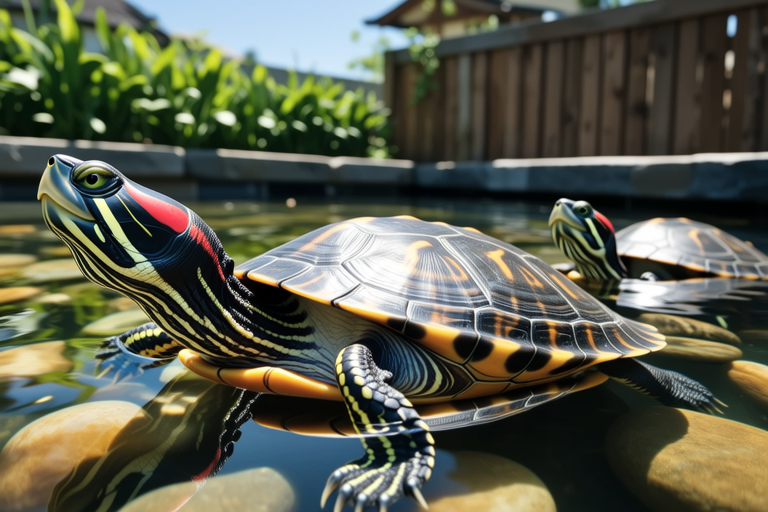
Transforming Your Backyard into a Paradise for Red-Eared Sliders
Red-eared sliders (Trachemys scripta elegans) are one of the most popular pet turtle species due to their hardiness and adaptability. Transforming your backyard into a paradise for these reptiles involves creating a safe, stimulating habitat that meets their specific needs. This guide will provide you with essential tips on setting up an ideal environment, including water and land areas, suitable plants, temperature regulation, and dietary needs. Additionally, we’ll emphasize the importance of legal considerations and ethical care for red-eared sliders.
Legal Considerations and Ethical Care
Before diving into the specifics of creating a backyard paradise for red-eared sliders, it’s crucial to understand the legal and ethical aspects of turtle ownership. In many countries, including the United States, there are regulations regarding the keeping of red-eared sliders as pets. Always check local laws and obtain any necessary permits before bringing home a red-eared slider.
Ethical care is equally important. Red-eared sliders can live for decades, so it’s vital to commit to providing them with a long-term, loving home. These turtles have specific environmental requirements, and failing to meet them can lead to health issues and premature death. Proper care also includes regular veterinary check-ups and a commitment to their well-being throughout their lifespan.
Creating a Safe and Stimulating Habitat
The first step in transforming your backyard into a paradise for red-eared sliders is to create a safe and stimulating habitat. This involves setting up both water and land areas that mimic their natural environment. The water area should be large enough to allow swimming and diving, while the land area should offer basking spots and hiding places.
For water areas, a pond or a large, sturdy plastic container can be used. Ensure the water depth is appropriate for your turtles’ size; smaller turtles may need shallower water, while larger adults can swim in deeper waters. A filtration system is essential to maintain water quality, and a UVB light source is recommended to ensure proper calcium absorption and overall health.
The land area should include a sloped entrance from the water to the dry land, allowing easy access. Provide several basking spots, such as rocks or logs, where the turtles can sunbathe and warm themselves. Hiding spots, like small caves or hollow logs, can also be added to give the turtles a sense of security.
Ideal Water and Land Areas
Water and land areas play a crucial role in the health and happiness of red-eared sliders. The water area should be large enough to accommodate the turtles comfortably, with a depth of at least 6 inches for smaller turtles and up to 18 inches for adults. A gentle slope leading from the water to the land is ideal, as it allows the turtles to easily enter and exit the water.
The land area should be spacious enough for the turtles to move around freely. It should include a variety of textures, such as grass, sand, and gravel, to stimulate their senses. Rocks and logs can be placed strategically to provide climbing opportunities and hiding spots. Ensure that all elements in the habitat are non-toxic and safe for the turtles.
Suitable Plants for the Habitat
Incorporating plants into the habitat not only enhances its aesthetic appeal but also provides essential benefits for the turtles. Aquatic plants, such as water hyacinths and water lettuce, can be added to the water area to improve water quality by absorbing excess nutrients and providing shade. On the land, non-toxic plants like ferns, hostas, and sedges can be planted to create a lush, green environment.
It’s important to choose plants that are safe for red-eared sliders. Avoid any plants that may be toxic or harmful if ingested. Some common houseplants, like pothos and spider plants, can also be safely introduced to the land area. These plants not only add beauty to the habitat but also provide additional hiding spots and stimulation for the turtles.
Temperature Regulation
Maintaining the right temperature is crucial for the health and well-being of red-eared sliders. They are ectothermic, meaning they rely on external sources of heat to regulate their body temperature. The water temperature should ideally range between 75°F and 85°F (24°C and 29°C), while the basking area should reach temperatures between 85°F and 95°F (29°C and 35°C).
A reliable thermometer is essential to monitor the water and air temperatures accurately. Use submersible heaters to maintain the desired water temperature, and place a heat lamp or ceramic heat emitter above the basking area to provide warmth. Ensure that the heating elements are secure and cannot be damaged by the turtles.
Dietary Needs of Red-Eared Sliders
Feeding red-eared sliders a balanced diet is essential for their growth and overall health. Their diet should consist of a mix of commercial turtle pellets, fresh vegetables, and occasional protein sources. Commercial turtle pellets provide essential vitamins and minerals, while fresh vegetables, such as leafy greens, carrots, and squash, offer fiber and additional nutrients.
Protein sources, such as earthworms, crickets, and occasional pieces of fish or lean meat, should be offered sparingly. Overfeeding protein can lead to health problems, so it’s important to maintain a balanced diet. Feed your turtles every other day, and always remove uneaten food promptly to prevent contamination of the water.
Maintaining Water Quality
Water quality is a critical aspect of maintaining a healthy habitat for red-eared sliders. Poor water quality can lead to health issues, including respiratory infections and shell rot. To maintain optimal water conditions, it’s essential to incorporate a filtration system that matches the size of the water area.
Regular water changes are also necessary to remove waste and maintain clarity. Aim to change about 20% of the water weekly, increasing the frequency during warmer months when bacterial growth is more rapid. Using a dechlorinator to treat tap water before adding it to the habitat can help reduce the risk of chlorine toxicity.
Ensuring the Health of Red-Eared Sliders
Regular health checks and prompt veterinary care are vital for the longevity of red-eared sliders. Signs of illness may include lethargy, loss of appetite, swollen eyes, or unusual behavior. If you notice any of these symptoms, consult a veterinarian specializing in reptiles immediately.
Preventive measures, such as maintaining clean water and providing a balanced diet, can go a long way in promoting the health of your turtles. Regular cleaning of the habitat, monitoring for signs of stress or injury, and ensuring a stable environment are all key factors in keeping your red-eared sliders happy and healthy.
In conclusion, transforming your backyard into a paradise for red-eared sliders requires careful planning and attention to detail. By creating a safe, stimulating habitat with ideal water and land areas, suitable plants, and proper temperature regulation, you can provide a thriving environment for these fascinating creatures. Remember to prioritize legal considerations, ethical care, and the maintenance of water quality to ensure the health and happiness of your red-eared sliders for years to come.
