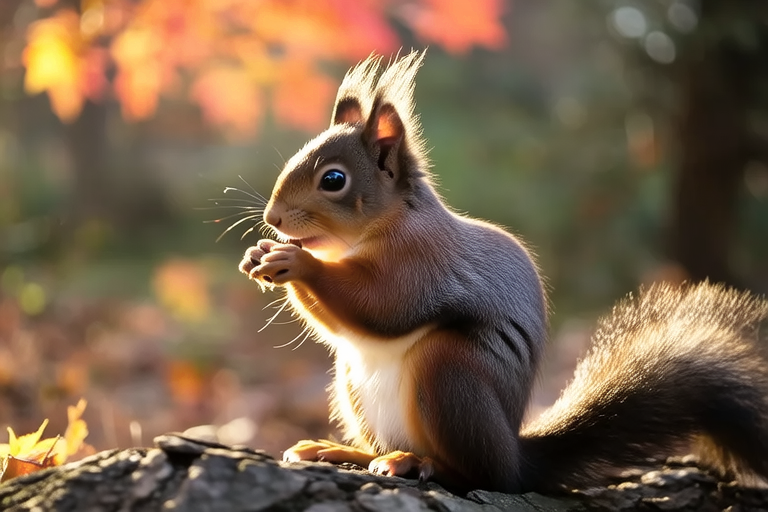
From Backyard Pest to Beloved Pet: Everything You Need to Know About Squirrels
Squirrels are ubiquitous in many backyards across North America. Often viewed as pesky rodents that raid bird feeders and dig up gardens, they have earned a reputation as nuisances. However, beneath their mischievous exterior lies a fascinating creature that can become a cherished pet. This article will explore the biology, habitat preferences, and dietary habits of squirrels, transitioning into how these traits can be managed or appreciated when considering them as pets. We’ll cover legal considerations, housing, feeding, and training squirrels as pets. Finally, we’ll provide tips for coexisting peacefully with wild squirrels while highlighting the unique joys of having a squirrel as a pet.
The Biology and Behavior of Squirrels
Squirrels belong to the family Sciuridae, which includes over 200 species worldwide. In North America, the most common types are the eastern gray squirrel and the red squirrel. These small mammals are characterized by their bushy tails, sharp claws, and large eyes, which help them navigate through trees with ease. Squirrels are primarily diurnal, meaning they are most active during the day. Their agility and dexterity allow them to leap from tree to tree, often covering impressive distances in a single bound.
One of the most distinctive features of squirrels is their diet. They are omnivores, but their primary food sources include nuts, seeds, fruits, and fungi. During autumn, squirrels engage in a behavior known as caching, where they bury surplus food to consume during winter months. This survival strategy ensures their survival through harsh weather conditions. Squirrels also have excellent spatial memory, allowing them to recall the location of their caches even after several months.
Habitat Preferences
Natural habitats for squirrels include deciduous forests, parks, and urban areas. They prefer environments with abundant trees, as these provide both shelter and food sources. Squirrels construct nests called dreys, typically located high in the branches of trees. These nests serve as safe havens from predators and harsh weather conditions. In urban settings, squirrels have adapted to living in proximity to humans, utilizing man-made structures like birdhouses and attics for nesting.
The adaptability of squirrels makes them resilient creatures capable of thriving in diverse environments. While this adaptability allows them to survive in various habitats, it also contributes to their reputation as pests in residential areas. Understanding their natural behaviors and preferences can help mitigate conflicts between squirrels and homeowners.
Dietary Habits and Feeding Considerations
When considering squirrels as pets, understanding their dietary needs is crucial. A balanced diet for pet squirrels should mimic their natural diet as closely as possible. High-quality commercial squirrel food blends, available at specialty pet stores, provide a good foundation. These blends typically include a mix of nuts, seeds, grains, and dried fruits. Additionally, fresh vegetables such as carrots, broccoli, and leafy greens can supplement their diet.
Providing a variety of foods not only meets nutritional requirements but also stimulates mental engagement. Enrichment activities, such as hiding treats within toys or puzzle feeders, encourage problem-solving skills and prevent boredom. It’s important to avoid feeding your pet squirrel items that could be harmful, such as chocolate, caffeine, and avocados.
Legal Considerations
Before bringing a squirrel into your home, it’s essential to research local laws and regulations regarding exotic pets. Many regions have strict guidelines governing the ownership of non-domesticated animals. Some areas prohibit keeping squirrels as pets entirely, while others require permits or licenses. Contacting local authorities or visiting official websites can provide clarity on the specific rules in your area.
In addition to legal requirements, ethical considerations play a significant role in deciding whether to adopt a squirrel. Wild animals are best suited to life in their natural habitats, and removing them from their environment can disrupt ecosystems. If you’re committed to providing a suitable home for a squirrel, consider rescuing one from a rehabilitation center rather than capturing a wild animal.
Housing and Environment
Creating a suitable living space for a pet squirrel requires careful planning. An enclosure that provides ample room for exercise and exploration is essential. For indoor habitats, a large cage with multiple levels and sturdy perches mimics the vertical nature of their natural environment. Outdoor enclosures offer more freedom but must be securely fenced to prevent escapes.
Temperature control is another important factor. Squirrels thrive in moderate temperatures and may require additional heating or cooling depending on the climate. Providing soft bedding materials, such as shredded paper or wood shavings, ensures comfort and hygiene. Regular cleaning of the enclosure helps maintain a healthy environment for your pet.
Training and Socialization
Despite their wild origins, squirrels can be trained to interact positively with humans. Early socialization and consistent handling build trust between owner and pet. Training sessions should be short and positive, rewarding desired behaviors with treats and praise. Basic commands like coming when called can enhance safety and strengthen the bond.
Engaging in enrichment activities promotes mental stimulation and physical health. Puzzle toys, tunnels, and climbing structures encourage natural behaviors and reduce stress. Regular interaction and playtime contribute to a well-adjusted and happy pet.
Coexisting Peacefully with Wild Squirrels
While some individuals choose to keep squirrels as pets, many find joy in observing these creatures in their natural habitat. Coexisting peacefully with wild squirrels involves taking steps to minimize conflicts. Securing trash cans, using squirrel-proof bird feeders, and planting squirrel-resistant plants can deter unwanted visits.
Creating a wildlife-friendly garden provides alternative food sources and encourages beneficial interactions. Native plants that produce nuts, seeds, or berries attract squirrels without encouraging destructive behavior. Watching squirrels in action from a distance offers a window into their fascinating world.
The Unique Joys of Having a Squirrel as a Pet
Owning a squirrel as a pet brings numerous rewards. Their playful antics, intelligence, and affectionate nature make them delightful companions. Witnessing their curiosity and problem-solving abilities firsthand fosters a deep connection. The bond formed between owner and pet enriches both lives.
However, adopting a squirrel as a pet comes with responsibilities. Ensuring proper care, nutrition, and enrichment requires dedication. By providing a loving and stimulating environment, you can enjoy the unique joys of sharing your home with a squirrel.
