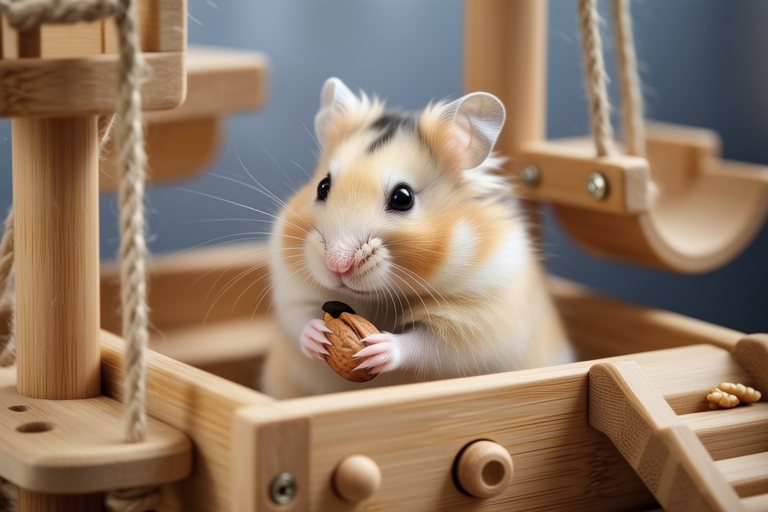
DIY Projects to Keep Your Golden Hamster Entertained All Day Long
Golden hamsters are delightful pets that require both mental and physical stimulation to stay healthy and happy. While commercial toys are available, creating DIY toys from household items can be a fun and rewarding way to engage with your pet while providing them with entertainment. This article will guide you through various simple, safe, and creative DIY toy ideas, explaining step-by-step how to make each toy. We’ll also discuss the importance of mental and physical stimulation for hamsters and how these projects address those needs. Additionally, we’ll provide tips on observing your hamster’s interaction with the toys to ensure they are enjoyable and safe.
The Importance of Stimulation for Hamsters
Hamsters are naturally curious creatures that thrive on exploration and activity. Without sufficient mental and physical stimulation, they may become bored or stressed, leading to behavioral issues such as overgrooming or lethargy. Providing a variety of toys encourages exercise, prevents boredom, and helps maintain their mental acuity. By crafting DIY toys, you can customize the level of difficulty and interest to suit your hamster’s preferences.
DIY Tunnel System
Materials:
- Paper towel rolls (at least 4)
- Scissors
- Duct tape
Steps:
- Cut the paper towel rolls into different lengths to create varying tunnel sizes.
- Use duct tape to connect the ends of the rolls, forming a continuous tunnel system.
- Place the tunnel system in the hamster’s cage, ensuring it is stable and secure.
This tunnel system offers your hamster a safe space to explore and hide, promoting both mental and physical stimulation. The varying tunnel sizes encourage problem-solving as your hamster navigates through the tunnels.
Cardboard Castle
Materials:
- Flattened cardboard boxes
- Scissors
- Glue gun and glue sticks
Steps:
- Cut out various shapes from the cardboard, such as squares, triangles, and circles.
- Use the glue gun to assemble the pieces into a castle-like structure, ensuring it is sturdy.
- Place the castle in the hamster’s cage, allowing ample space for your hamster to climb and explore.
The cardboard castle provides multiple levels for climbing and hiding, offering both physical exercise and mental stimulation. It also serves as a cozy retreat for your hamster, helping to reduce stress and anxiety.
Paper Bag Hideout
Materials:
- Small paper bags (e.g., lunch bags)
- Scissors
- Hot glue gun and glue sticks
Steps:
- Cut the bottom off the paper bag to create an open entrance.
- Use the hot glue gun to reinforce the edges of the cut-out section, ensuring it does not tear easily.
- Place the paper bag hideout in the hamster’s cage, positioning it securely.
This simple hideout provides a snug and comfortable space for your hamster to retreat into, promoting relaxation and reducing stress. It is easy to replace when it becomes soiled or torn.
Toilet Paper Roll Bridge
Materials:
- Toilet paper rolls (at least 2)
- Sturdy wire or string
- Scissors
- Duct tape
Steps:
- Cut the toilet paper rolls in half lengthwise.
- Use duct tape to attach the halves together, creating two long strips.
- Secure one end of the wire or string to the top of the cage and the other end to the bottom, ensuring it is taut.
- Attach the long strips of toilet paper rolls horizontally across the wire or string, forming a bridge.
The bridge encourages your hamster to climb and balance, enhancing their coordination and physical fitness. Ensure the bridge is stable and secure to prevent accidents.
Chewable Treats
Materials:
- Fresh vegetables (e.g., carrots, bell peppers)
- Fruit (e.g., apple slices, banana chunks)
- Unsweetened oatmeal
- Vegetable-based baby food (ensure no added sugar or salt)
Steps:
- Wash and dry the fresh vegetables and fruit thoroughly.
- Spread unsweetened oatmeal on a baking sheet and bake at a low temperature until crispy.
- Mix vegetable-based baby food with oatmeal to create a paste, then shape it into small treats and allow them to dry.
- Place the treats in the hamster’s cage, ensuring they are accessible but not too numerous to avoid overeating.
Chewable treats not only entertain your hamster but also help wear down their continuously growing teeth. Ensure the treats are safe and nutritious, avoiding anything toxic or high in sugar.
Observing Your Hamster’s Interaction with Toys
Regularly observe your hamster’s interaction with the toys to ensure they are enjoying and using them safely. Look for signs of engagement, such as active exploration, chewing, and hiding. If your hamster avoids a particular toy or shows signs of distress, remove it and try a different design or material. Always supervise your hamster during playtime to prevent any potential accidents.
Maintaining a Clean and Stimulating Environment
Keeping your hamster’s environment clean and stimulating is crucial for their overall well-being. Regularly clean the cage, replacing bedding and removing soiled areas. Rotate toys periodically to keep your hamster interested and engaged. Consider adding new elements to the cage, such as different types of bedding or additional tunnels, to provide variety and excitement.
In conclusion, DIY toys offer a fun and cost-effective way to keep your golden hamster entertained and stimulated. By creating these simple, safe, and creative toys, you can enhance your hamster’s quality of life and strengthen the bond between you and your pet. Remember to observe your hamster’s interaction with the toys and maintain a clean and stimulating environment to ensure their continued happiness and health.
