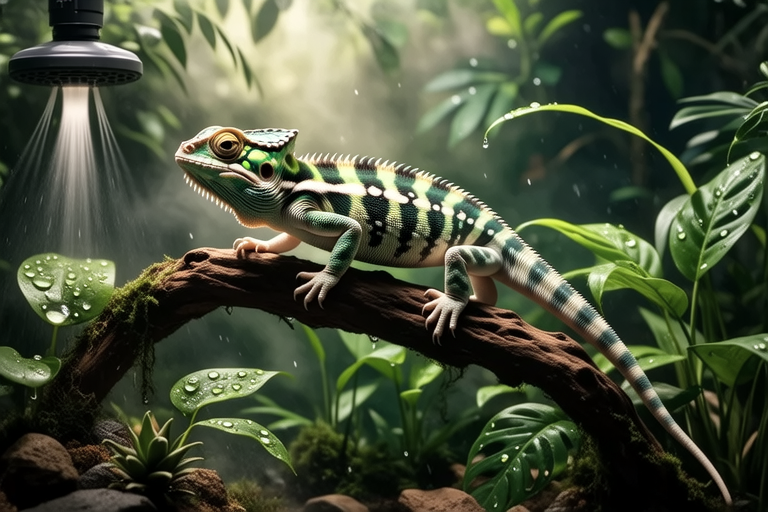
How to Create an Ideal Habitat for Your Chameleon at Home
Welcome to the fascinating world of chameleons! These unique reptiles require specific care and attention to thrive in captivity. Creating an ideal habitat for your chameleon at home is crucial for its health and well-being. This comprehensive guide will walk you through the essential elements of setting up a proper environment, including cage size, lighting requirements, humidity levels, substrate types, hiding spots, climbing structures, and dietary needs. Additionally, we’ll cover tips on maintaining cleanliness and performing regular health checks.
Choosing the Right Cage Size
The first step in creating an ideal habitat for your chameleon is selecting the right cage size. Chameleons need ample space to move around and exercise their climbing instincts. A common mistake among beginners is choosing a cage that is too small. For adult chameleons, a minimum cage size of 36 inches wide by 36 inches deep by 48 inches tall is recommended. Larger cages provide more room for branches and plants, which are essential for your chameleon’s physical and mental stimulation.
Lighting Requirements: UVB and Heat Lamps
Proper lighting is critical for your chameleon’s health. Chameleons require exposure to ultraviolet B (UVB) light for calcium absorption and bone health. UVB bulbs should be placed within 12 to 18 inches of the basking spot, ensuring they’re not covered by glass or plastic as these materials can block UVB rays. Replace UVB bulbs every six months, even if they still appear to be working, to ensure optimal output.
Heat lamps are also necessary to maintain a temperature gradient within the enclosure. The warm side of the cage should reach temperatures between 85 and 95 degrees Fahrenheit, while the cool side can range from 75 to 85 degrees Fahrenheit. Use a digital thermometer with multiple probes to monitor these temperatures accurately. It’s important to avoid overheating, as this can lead to stress and dehydration.
Humidity Levels
Maintaining appropriate humidity levels is vital for your chameleon’s respiratory and skin health. Chameleons naturally live in environments with high humidity, so it’s essential to recreate this condition in their captive habitat. Aim for humidity levels between 50% and 70%. You can achieve this by misting the enclosure several times daily, using a hand-held sprayer or automatic misting system. Additionally, placing a water dish or humidifier inside the cage can help increase moisture levels.
Ensure good air circulation by providing ventilation at the top of the cage, allowing excess moisture to escape. Overly damp conditions can lead to mold growth and respiratory issues, so it’s crucial to find the right balance.
Substrate Types
The type of substrate you choose for your chameleon’s habitat plays a significant role in its overall health. Avoid substrates like sand, gravel, and wood shavings, as these can cause impaction if ingested. Instead, opt for a non-substrate environment or use a layer of coconut fiber or reptile carpet. These options are safe and easy to clean, preventing bacteria and mold buildup.
Regardless of the substrate chosen, regularly clean and replace it to maintain hygiene and prevent potential health issues.
Hiding Spots and Climbing Structures
Providing adequate hiding spots and climbing structures is essential for your chameleon’s psychological well-being. Chameleons are arboreal creatures, meaning they spend most of their time in trees. Offer a variety of sturdy branches of different diameters, allowing your chameleon to climb and explore. Ensure branches are securely anchored to prevent falls.
Additionally, include foliage such as live or artificial plants to create a naturalistic environment. Live plants not only add aesthetic appeal but also help maintain humidity levels and provide fresh leaves for your chameleon to nibble on. Be cautious when selecting live plants; some species may be toxic to chameleons.
Dietary Needs
Chameleons are insectivores, meaning their diet consists primarily of insects. Offer a diverse selection of prey items, including crickets, dubia roaches, mealworms, and waxworms. Feed your chameleon appropriately sized insects—too large, and they may choke; too small, and they won’t get enough nutrients. Dust feeder insects with a calcium supplement twice weekly and a multivitamin once weekly to ensure proper nutrition.
It’s important to gut-load feeder insects before offering them to your chameleon. Gut-loading involves feeding insects a nutritious diet rich in vitamins and minerals, enhancing the nutritional value of the prey items.
Maintaining Cleanliness
Keeping your chameleon’s habitat clean is crucial for its health and longevity. Regular cleaning helps prevent the buildup of harmful bacteria and parasites. Spot-clean the enclosure daily, removing uneaten food and waste. Perform a thorough cleaning every two weeks, disinfecting all surfaces and equipment. Use a reptile-safe cleaner or a mild bleach solution (1 part bleach to 30 parts water), rinsing thoroughly and allowing the enclosure to dry completely before reintroducing your chameleon.
Regularly check and clean water dishes, replacing the water daily to prevent contamination. If using a water drip system, ensure it runs consistently and doesn’t become stagnant.
Regular Health Checks
Monitoring your chameleon’s health closely is key to identifying any potential issues early. Observe your chameleon daily for signs of illness, such as lethargy, loss of appetite, abnormal discharge, or changes in behavior. Keep track of its weight and body condition, noting any sudden changes.
Schedule routine veterinary checkups with a reptile-savvy veterinarian. They can perform comprehensive examinations, including fecal tests and blood work, to detect any underlying health problems. Early intervention is often crucial for successful treatment.
Conclusion
Caring for a chameleon requires dedication and attention to detail. By providing an appropriate cage size, proper lighting, adequate humidity, safe substrate, hiding spots, climbing structures, and a balanced diet, you can create an ideal habitat for your chameleon at home. Regular cleaning and health checks further contribute to your chameleon’s well-being. With the right setup and care, your chameleon will thrive in its new environment, bringing joy and fascination to your household.
