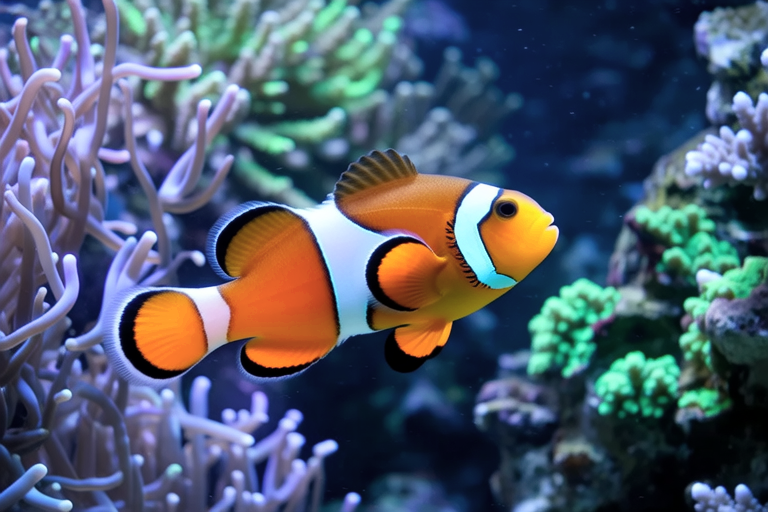
How to Set Up the Perfect Aquarium for Your Clownfish
Setting up the perfect aquarium for your clownfish is an exciting endeavor that requires careful planning and attention to detail. Clownfish, with their vibrant colors and charming personalities, have become popular choices among both novice and seasoned aquarists. This comprehensive guide will walk you through the essential steps to ensure your clownfish thrive in their new home.
Selecting the Right Tank Size
The first step in setting up your clownfish aquarium is choosing the right tank size. Clownfish are relatively small fish, but they need adequate space to swim and explore. A tank that is at least 20 gallons is recommended for a single clownfish, but if you plan to keep more than one or include additional fish, a larger tank of 30-50 gallons or more is preferable. Larger tanks provide better water stability and reduce the risk of stress-related illnesses.
Filtration Systems Suitable for Clownfish
A reliable filtration system is crucial for maintaining water quality and ensuring the health of your clownfish. Since clownfish are sensitive to poor water conditions, it’s important to choose a filter that can handle the bioload of your tank while being gentle enough not to disturb these delicate creatures. Canister filters or sponge filters are excellent options as they offer efficient mechanical, biological, and chemical filtration without creating strong water currents.
Water Parameters: Temperature, pH, Salinity
Clownfish require specific water parameters to thrive. The ideal temperature range for clownfish is between 76°F and 82°F (24°C to 28°C). Maintaining this temperature range ensures optimal metabolic function and overall well-being. The pH level should be kept between 8.1 and 8.4, which mimics the natural marine environment. Lastly, the salinity must be precisely 1.020 to 1.025 specific gravity, equivalent to 30-35 ppt (parts per thousand).
Appropriate Tank Mates
Choosing compatible tank mates is essential for creating a harmonious community. Clownfish generally get along well with other peaceful species such as damselfish, blennies, and some shrimp. However, avoid aggressive or territorial fish like triggerfish or tangs. It’s also advisable to introduce clownfish first into the tank before adding any other inhabitants to prevent potential conflicts.
Necessary Decorations and Hiding Spots
Providing ample hiding spots and decorations enriches the aquarium environment and helps reduce stress. Live rock, corals, and anemones are particularly beneficial as they offer shelter and mimic the clownfish’s natural habitat. Anemones serve as both shelter and food source for clownfish; however, not all species of anemones are suitable companions. Ensure that any live rock or coral added to the tank has been properly cured and free from harmful organisms.
Lighting Requirements
Proper lighting enhances the beauty of your aquarium while promoting plant growth and algae control. For clownfish, a full-spectrum LED light that provides approximately 9 to 10 hours of light per day is sufficient. Avoid excessive lighting intensity, as it may cause undue stress. Additionally, consider incorporating a moonlight effect during nighttime to simulate natural cycles.
Regular Maintenance Tips
Maintaining a clean and stable aquatic environment is key to keeping your clownfish healthy. Perform weekly partial water changes of about 10-15% to remove accumulated waste and replenish essential minerals. Regularly check water parameters using test kits and adjust accordingly. Cleaning filters and skimmers as needed prevents clogging and maintains efficient filtration.
Feeding Your Clownfish
Clownfish are omnivorous and enjoy a varied diet consisting of flakes, pellets, frozen foods, and occasional treats like brine shrimp or bloodworms. Feed them small amounts two to three times daily, ensuring they consume all food within five minutes to prevent overfeeding and waste accumulation.
Monitoring Behavior and Health
Closely observe your clownfish for any signs of illness or unusual behavior. Common indicators include loss of appetite, lethargy, fin damage, or discoloration. Prompt action, such as quarantine and treatment with appropriate medications under veterinary guidance, can prevent further complications.
Conclusion
By following these guidelines, you can establish a thriving and visually appealing aquarium tailored specifically for your clownfish. Remember that every aquarium setup is unique, so adapt these recommendations based on individual circumstances. With proper care and attention, your clownfish will reward you with years of enjoyment and companionship.
