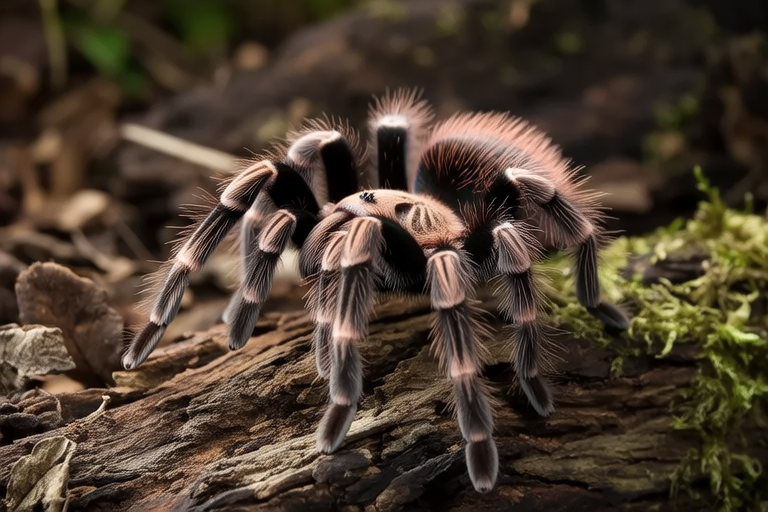
Debunking Common Myths About Tarantulas: Separating Fact from Fiction
Tarantulas have long been the subject of fear and fascination, often portrayed as terrifying monsters in movies and literature. However, these eight-legged wonders are far from the dangerous creatures they’re made out to be. Understanding the truth about tarantulas is crucial for appreciating their role in nature and dispelling the misconceptions that surround them. In this article, we will explore five common myths about tarantulas and provide you with accurate, science-backed information to help you see these fascinating creatures in a new light.
Myth 1: All Tarantulas Are Highly Venomous
The Myth: Many people believe that tarantulas are extremely venomous and pose a significant threat to humans. This belief has likely been perpetuated by their intimidating appearance and portrayal in media.
The Truth: While tarantulas do possess venom, it is generally mild and not harmful to humans. Their venom serves primarily to subdue prey such as insects and small vertebrates. Studies have shown that the venom’s effect on humans is similar to that of a bee sting, causing temporary discomfort but rarely any serious harm. The venom’s potency varies among species, with some being less potent than others. Therefore, while caution is always advised when handling any wild animal, there’s no need to fear tarantulas as deadly threats.
Myth 2: Tarantulas Hunt Humans
The Myth: Another widespread misconception is that tarantulas actively hunt and attack humans. This myth likely stems from their large size and powerful appearance, leading people to assume they are aggressive predators.
The Truth: Tarantulas are not interested in hunting humans; their diet consists mainly of insects and other small animals. They are solitary hunters that ambush their prey rather than actively seeking out larger targets like humans. Research shows that tarantulas prefer environments where their typical prey is abundant, such as forests and grasslands. Human encounters are rare, and when they occur, it is usually because the tarantula feels threatened and reacts defensively. In such cases, the tarantula may rear up and display its fangs as a warning, but it will only bite if absolutely necessary.
Myth 3: Tarantulas Always Live in Dark Caves
The Myth: There is a common belief that tarantulas reside exclusively in dark, damp caves. This notion might be based on the idea that spiders in general prefer dimly lit environments.
The Truth: While some tarantula species do live in caves, many prefer other habitats such as burrows in the ground or among rocks and vegetation. Tarantulas are found in a wide variety of environments, including deserts, rainforests, and even savannas. Some species construct elaborate silk-lined burrows that can be several feet deep, providing protection from predators and harsh weather conditions. Others live in trees or under logs. The diversity of habitats reflects the adaptability of these spiders, which have evolved to thrive in different ecological niches.
Myth 4: Tarantulas Are Aggressive Creatures
The Myth: Tarantulas are often depicted as aggressive and hostile creatures that attack at the slightest provocation. This perception could be influenced by their intimidating size and the defensive behaviors they exhibit when threatened.
The Truth: Tarantulas are generally docile and shy creatures that avoid confrontation with humans. Most species prefer to retreat or hide rather than engage in conflict. When feeling threatened, they may employ various defensive tactics, such as releasing hairs from their abdomen (urticating hairs) or displaying their fangs. These actions are meant to deter potential predators rather than initiate an attack. Scientific observations have shown that tarantulas are more likely to flee than fight, especially when encountering unfamiliar stimuli like humans. This behavior underscores their preference for solitude and their lack of interest in human interaction.
Myth 5: Tarantulas Cannot Be Kept as Pets
The Myth: It is commonly believed that tarantulas are too dangerous or difficult to care for as pets. This misconception might arise from the myths about their venom and aggression.
The Truth: Many tarantula species make excellent pets for those willing to learn about their care requirements. With proper knowledge and respect, keeping a tarantula as a pet can be a rewarding experience. Pet tarantulas typically require a terrarium with appropriate temperature and humidity levels, as well as a suitable substrate for burrowing. They feed on crickets and other insects, making their dietary needs relatively simple. Responsible owners ensure their tarantulas’ health and well-being by providing adequate space, proper nutrition, and minimal disturbance. Several organizations offer guidelines for caring for tarantulas, making it easier for enthusiasts to enjoy these unique creatures responsibly.
Conclusion: Embracing Tarantulas
In conclusion, tarantulas are much more than the scary creatures they’re often portrayed as. By separating fact from fiction, we can better understand and appreciate these remarkable arachnids. They play vital roles in their ecosystems, helping to control insect populations and contributing to biodiversity. Dispelling the myths surrounding tarantulas allows us to view them not just as exotic pets but also as important members of our natural world. Next time you encounter a tarantula, remember that it is likely just going about its business, minding its own affairs. Let’s embrace these misunderstood creatures and support efforts to protect them and their habitats.
