The Colorful World of Clownfish: Breeding and Behavior Explained
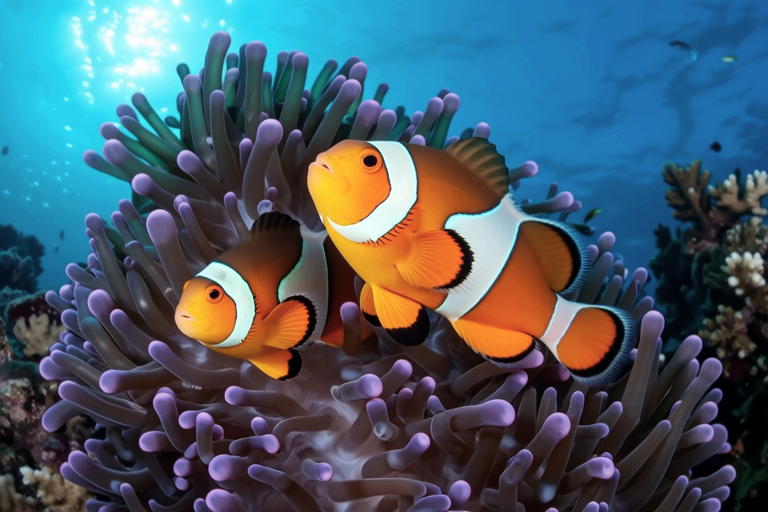
Clownfish, with their vibrant colors and playful personalities, have captured the hearts of aquarium enthusiasts and moviegoers alike. These small, yet charismatic fish are best known for their striking orange bodies adorned with white stripes. The iconic image of a clownfish swimming around an anemone has become a symbol of the ocean’s beauty and complexity. This article delves into the fascinating world of clownfish, exploring their natural habitats, dietary preferences, breeding techniques, and behavioral traits. Whether you’re a seasoned aquarist or a beginner looking to learn more about these captivating creatures, this guide will provide valuable insights into the colorful world of clownfish.
Natural Habitat and Diet
Native to the warm waters of the Pacific and Indian Oceans, clownfish are most commonly found in coral reefs and lagoons. Their natural habitat provides a rich ecosystem teeming with life, where they can find shelter among the tentacles of sea anemones. These fish are known for their symbiotic relationship with anemones, which offer protection from predators while the clownfish help to attract food for the anemone through their movements.
Clownfish are omnivorous, feeding primarily on algae, zooplankton, and small crustaceans. In the wild, they supplement their diet with mucus secreted by the anemones, which provides essential nutrients. In captivity, it’s important to replicate their natural diet as closely as possible to ensure optimal health. Providing a varied diet that includes frozen foods, such as brine shrimp and mysis shrimp, along with flakes and pellets designed for marine fish, will help maintain the health and vitality of your clownfish.
Breeding Clownfish
Breeding clownfish in captivity requires careful attention to detail and a thorough understanding of their specific needs. Successful breeding begins with creating the ideal environment within your aquarium. A well-maintained tank with appropriate water parameters is crucial for encouraging spawning. Clownfish prefer water temperatures between 78-82°F (25-28°C) and a pH level of 8.1-8.4. Maintaining stable water conditions is vital for the health and breeding success of your fish.
Clownfish are sequential hermaphrodites, meaning they can change sex depending on environmental factors. Typically, the largest female in a group becomes dominant, and the next largest fish becomes male. When conditions are right, the pair will begin to court each other, displaying behaviors such as chasing, nudging, and fin flicking. Once mating occurs, the female will lay eggs, usually on a flat surface near the anemone or rock. The male then fertilizes the eggs by releasing sperm over them.
After fertilization, the eggs must be carefully monitored for signs of disease or predation. Clownfish parents are known to be attentive caregivers, guarding the eggs until they hatch. Providing a peaceful environment free from stressors and ensuring the water quality remains pristine are key to supporting the development of healthy fry. Once hatched, the fry will require a separate tank with live food, such as rotifers and baby brine shrimp, to thrive.
Behavior in Wild and Captive Environments
In the wild, clownfish exhibit complex social structures and behaviors. They live in groups, typically consisting of a single breeding pair and several non-breeding individuals. The hierarchy within these groups is well-defined, with the breeding pair holding the highest rank. Non-breeding individuals act as helpers, assisting in the care of eggs and defending the territory against intruders.
When introduced to a home aquarium, clownfish quickly adapt to their new surroundings. However, it’s important to note that they may display different behaviors in captivity compared to their wild counterparts. In a tank setting, clownfish tend to form smaller groups, often pairing up with one another. They are generally peaceful and can coexist well with other species, making them a popular choice for community tanks. However, it’s essential to avoid overcrowding and ensure there is ample space for each fish to establish its own territory.
Clownfish are known for their bold and curious nature, often swimming close to the surface and interacting with their surroundings. They are also highly territorial, especially when it comes to protecting their eggs. In a home aquarium, providing hiding spots and establishing a consistent routine can help reduce stress and promote positive behavior. Regular feeding times and maintaining a clean environment will contribute to the overall well-being of your clownfish.
Maintaining Healthy Clownfish in Home Aquariums
To ensure the longevity and happiness of your clownfish, it’s crucial to provide proper care and monitoring. Regular water changes are essential to maintaining water quality and preventing the buildup of harmful substances. Aim for weekly water changes of about 10-20% of the total volume. Additionally, testing the water regularly for pH, ammonia, nitrite, and nitrate levels will help you identify any potential issues early on.
Feeding your clownfish a balanced diet is equally important. While they are omnivores, it’s essential to vary their diet to ensure they receive all necessary nutrients. Offering a mix of frozen and dry foods, along with occasional treats like fresh vegetables or fruits, will keep your clownfish healthy and active. Avoid overfeeding, as excess food can lead to poor water quality and obesity.
Lastly, providing a stimulating environment with plenty of hiding spots, plants, and decorations will encourage natural behaviors and reduce stress. Clownfish enjoy exploring their surroundings, so offering a variety of structures for them to interact with will enhance their quality of life. Regularly observing your clownfish for signs of illness or distress is also vital. Early detection and intervention can prevent minor issues from escalating into more serious problems.
In conclusion, the colorful world of clownfish offers a wealth of information and enjoyment for aquarists of all levels. From their vibrant appearance and symbiotic relationships to their unique breeding habits and behaviors, clownfish are truly fascinating creatures. By understanding their specific needs and providing the right care, you can create a thriving environment that supports the health and happiness of your clownfish. With patience, dedication, and a bit of knowledge, you’ll be rewarded with a beautiful and dynamic addition to your home aquarium.
