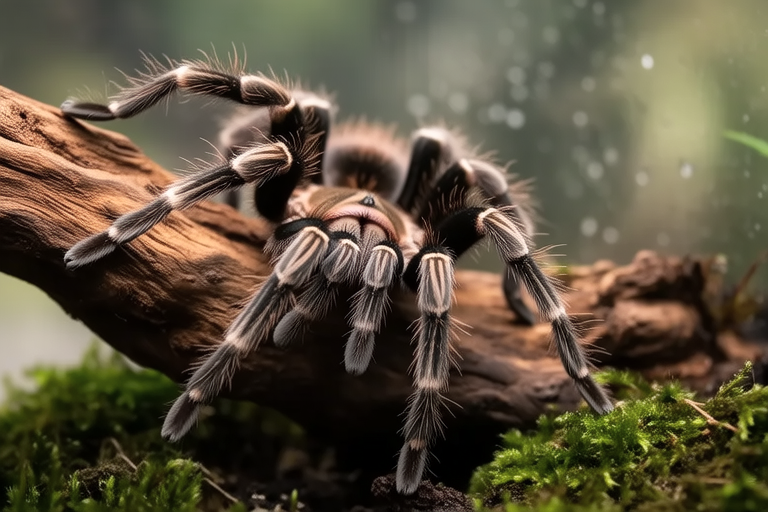
Tarantulas as Pets: Myths Debunked and Realities Revealed
When it comes to choosing a pet, tarantulas are often overlooked due to misconceptions and fears. These eight-legged creatures have long been surrounded by myths that paint them as aggressive and dangerous animals. However, many of these beliefs are far from the truth. In this article, we will debunk some common myths about tarantulas and reveal the realities of keeping them as pets. We’ll also cover their care requirements, diet, and handling, providing valuable information for both novice and experienced pet enthusiasts.
Debunking Common Myths About Tarantulas
Myth 1: Tarantulas are Aggressive and Dangerous
One of the most widespread myths about tarantulas is that they are aggressive and pose a significant danger to humans. While it’s true that tarantulas can bite if provoked, most species are quite docile and prefer to avoid confrontation. Their primary defense mechanism is their ability to flee or release irritating hairs from their abdomen. Bites are rare and usually occur only when the spider feels threatened. The venom of most tarantula species is not harmful to humans; it’s primarily used to subdue prey. A tarantula’s bite may cause mild discomfort similar to a bee sting, but it is generally not dangerous to healthy adults.
Myth 2: All Tarantulas Are Large and Scary
Another misconception is that all tarantulas are large and intimidating. In reality, there are over 900 species of tarantulas, ranging in size from small to large. Some species, like the Mexican Red-Knee Tarantula, are relatively small and manageable. Others, like the Goliath Birdeater, are among the largest spiders in the world. However, even the larger species are generally calm and can make fascinating pets. Their diverse sizes and appearances offer a wide range of options for potential owners.
Myth 3: Tarantulas Require Specialized Care
While tarantulas do have specific care requirements, they are not as complicated as many people believe. With proper research and preparation, keeping a tarantula as a pet can be a rewarding experience. Unlike some other exotic pets, tarantulas do not require constant attention or daily interaction. They are solitary creatures that thrive in quiet environments, making them ideal for individuals who enjoy observing nature without the need for frequent engagement.
Care Requirements for Tarantulas
Habitat Setup
Creating the right environment for your tarantula is crucial for its well-being. Tarantulas are terrestrial spiders, meaning they live on the ground rather than in trees. They prefer dark, humid environments that mimic their natural habitats. A glass or plastic terrarium with a secure lid is an excellent choice for housing your tarantula. The enclosure should be spacious enough to allow the spider to move freely and should include hiding spots such as cork bark, rocks, or artificial plants. Substrate, which can be coconut fiber, peat moss, or a mixture of soil and sand, should be kept damp to maintain humidity levels between 60% and 80%. Proper ventilation is essential to prevent mold growth.
Diet
Tarantulas are carnivorous and require a diet of live insects. Crickets, mealworms, and dubia roaches are popular choices for feeding. The size of the prey should be appropriate for the tarantula’s age and size. Younger tarantulas can eat smaller insects, while adult tarantulas can handle larger prey. Feeding should be done once or twice a week, depending on the spider’s appetite. It’s important to ensure that any uneaten prey is removed from the enclosure to prevent potential harm to the tarantula.
Handling
Handling tarantulas requires patience and care. Unlike some other pets, tarantulas are not meant to be handled frequently. Over-handling can stress the spider and potentially lead to health issues. When handling is necessary, it’s best to gently coax the tarantula onto a flat surface or into a container. Always support the spider’s body and legs to avoid causing injury. It’s important to remember that each tarantula has its own personality, and some may be more comfortable with handling than others.
Tips for Potential Owners
Research Before Committing
Before bringing a tarantula home, it’s essential to conduct thorough research on the species you’re interested in. Different species have varying care requirements, so understanding what your tarantula needs is crucial for its health and happiness. Consider factors such as the spider’s size, temperament, and environmental preferences. Consulting with experienced tarantula keepers or joining online forums can provide valuable insights and guidance.
Patience and Observation
Tarantulas are fascinating creatures, but they require patience and observation. Unlike dogs or cats, tarantulas do not seek out interaction or affection. Instead, they prefer to be left alone in their enclosures. Watching your tarantula explore its environment, molt, and interact with its prey can be incredibly rewarding. Take time to learn about the spider’s behavior and become familiar with its unique characteristics.
Prepare for Longevity
Tarantulas can live for many years, with some species living up to 20 years or more. This longevity makes them a long-term commitment. Be prepared to provide consistent care and attention throughout the spider’s life. Understanding the lifespan of your tarantula can help you make informed decisions about its care and ensure a fulfilling relationship.
Personal Insights and Stories
As someone who has kept tarantulas as pets for several years, I can attest to the unique joys and challenges they bring. My first tarantula was a Mexican Red-Knee, a species known for its vibrant red and black legs. At first, I was nervous about handling her, but with time and practice, I grew more confident. One of the most memorable moments was watching her molt for the first time. Molting is a natural process where the tarantula sheds its exoskeleton to grow. It’s a delicate and fascinating event that requires careful observation. Witnessing my tarantula emerge from her old skin was a humbling experience, reminding me of the resilience and adaptability of these incredible creatures.
Another aspect of tarantula ownership that I find particularly rewarding is the sense of responsibility it brings. Caring for a tarantula requires attention to detail and consistency. Ensuring that the enclosure is clean, the humidity is correct, and the spider has access to fresh food is a daily task. This routine fosters a deep connection between owner and pet, creating a bond built on trust and respect.
In conclusion, tarantulas can make wonderful pets for those willing to learn and understand their unique needs. By debunking common myths and providing factual information, we hope to encourage responsible tarantula ownership and appreciation for these remarkable arachnids. Whether you’re a seasoned pet enthusiast or considering your first tarantula, the journey of keeping one of these fascinating creatures is sure to be an enriching experience.
