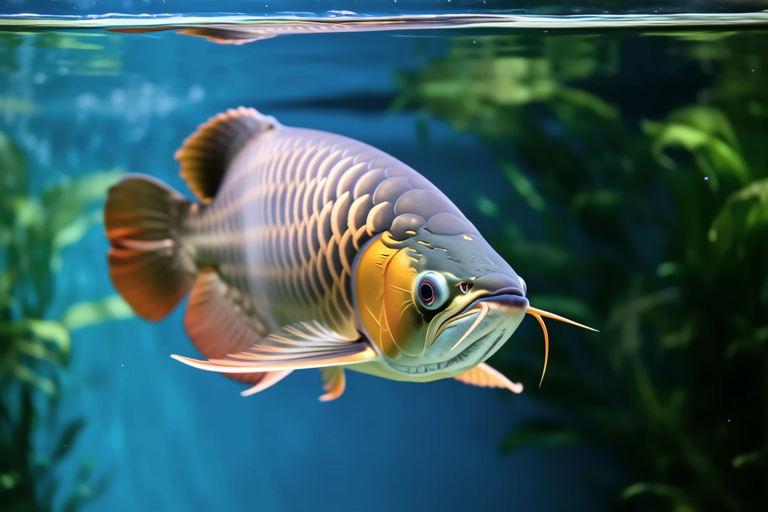
Top Secrets to Keeping Your Arowana Happy and Healthy at Home
Welcome to the fascinating world of keeping arowanas as pets! These magnificent fish, known for their striking appearance and graceful movements, have captivated aquarium enthusiasts for years. If you’re new to the hobby or looking to improve your current setup, this guide will provide you with top secrets to ensure your arowana remains happy and healthy in its home environment. From optimal tank setups to enriching activities, we’ve got you covered.
Understanding Arowana’s Natural Behavior and Habitat
Arowanas are native to tropical regions, specifically found in the Amazon River Basin, Southeast Asia, and Africa. They are highly social animals that thrive in environments rich in vegetation and open spaces for swimming. Understanding their natural habitat is crucial for replicating these conditions in captivity, which can significantly impact their overall well-being.
Arowanas are also known for their jumping ability; they can leap out of the water to catch insects or other prey. Therefore, it’s important to provide them with a secure tank cover to prevent accidental escapes. Additionally, these fish are territorial and may become aggressive if kept in too small a space or with incompatible tank mates.
Optimal Tank Setup
Creating an ideal living space for your arowana involves more than just filling a tank with water. The size of the tank plays a significant role in providing ample room for the fish to swim freely. As a general rule, arowanas require at least 300 liters of water per fish, but larger tanks are always preferable.
The substrate should be smooth gravel or sand to avoid any injuries from sharp edges. Decorations such as driftwood, rocks, and plants can add aesthetic value while also offering hiding spots and resting areas. However, be cautious when choosing live plants as some species might uproot them. Artificial plants are often a safer option.
Water flow within the tank should mimic the gentle currents found in rivers. This can be achieved through strategically placed filters or powerheads. Proper filtration is vital for maintaining clean and healthy water conditions.
Water Conditions
Maintaining the right water parameters is critical for the health of your arowana. The ideal pH level ranges between 6.5 and 7.5, with a temperature of 24°C to 28°C. Regular testing using reliable test kits ensures that these levels remain stable. Water changes should occur weekly, replacing approximately 20% of the total volume.
Adequate oxygenation is also essential. Ensure there’s enough surface area for gas exchange by incorporating air stones or ensuring your filter creates sufficient turbulence at the water’s surface.
Suitable Diet
Arowanas are carnivorous and require a varied diet consisting mainly of high-quality pellets, frozen or live foods like shrimp, earthworms, and feeder fish. Feeding should be done twice daily, providing only what they can consume within five minutes to prevent overfeeding.
It’s important to note that feeder fish should be used sparingly due to potential disease transmission risks. Instead, opt for commercial food options formulated specifically for predatory species.
Regular Health Checks
Monitoring your arowana’s health regularly helps detect issues early before they escalate into serious problems. Look out for signs such as lethargy, loss of appetite, abnormal swimming patterns, or physical abnormalities like lesions or growths.
If you notice any concerning symptoms, consult with a veterinarian specializing in exotic pets immediately. Prevention is key; maintain excellent water quality and hygiene practices to minimize the risk of illness.
Interactive Enrichment Activities
To keep your arowana mentally stimulated and physically active, consider introducing enrichment activities into its routine. For example, feeding sessions can become interactive by hand-feeding certain treats under controlled conditions. Another idea is to incorporate floating toys or structures that encourage jumping behavior.
Remember, every fish has unique preferences, so observe yours closely to tailor activities accordingly. Engaging with your pet regularly fosters trust and strengthens the bond between you.
Actionable Advice for Both Novice and Experienced Aquarists
For beginners:
- Start by researching extensively about arowanas before purchasing one.
- Choose reputable breeders or sellers who prioritize animal welfare.
- Gradually acclimate your new addition to its tank over several days.
For those already familiar with caring for arowanas:
- Stay updated on advancements in aquatic care techniques.
- Consider joining online communities where fellow enthusiasts share experiences and tips.
- Periodically review and adjust your tank setup based on your fish’s changing needs.
In conclusion, keeping an arowana happy and healthy at home requires dedication and attention to detail. By understanding their natural behaviors, setting up appropriate habitats, monitoring water conditions, providing balanced diets, conducting regular health checks, and offering enriching activities, you’ll be able to enjoy many rewarding years with these beautiful creatures.
