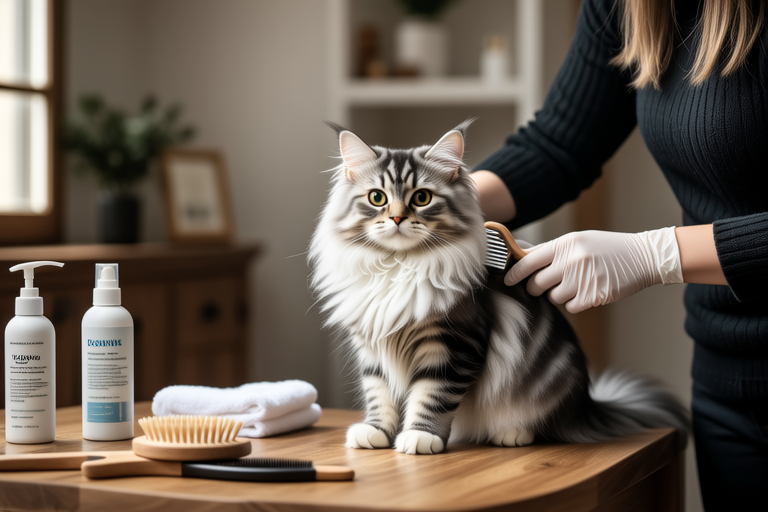
A Comprehensive Guide to Grooming Your Maine Coon at Home
Maine Coons are known for their striking appearance and gentle demeanor. However, maintaining this majestic look requires regular grooming. This guide will walk you through everything you need to know about grooming your Maine Coon at home, from understanding their unique grooming needs to mastering various grooming techniques.
Understanding Maine Coon Grooming Needs
Maine Coons have a thick, water-resistant double coat that sheds seasonally. They also possess tufted ears and a ruff around their necks, which can accumulate debris if not regularly cleaned. Regular grooming not only keeps your Maine Coon looking its best but also promotes healthy skin and prevents matting and tangles.
Essential Grooming Tools
Having the right tools makes grooming easier and more effective. Here’s what you’ll need:
- Quality Brushes: A slicker brush for removing loose hair and a bristle brush for distributing natural oils.
- Nail Clippers: Invest in a pair designed specifically for cats to ensure safety.
- Ear Cleaning Solution: Use a veterinarian-approved solution to keep ears clean and free of wax buildup.
- Eye Wipes: Gentle wipes specifically made for cats are ideal for cleaning around the eyes.
- Dental Care Products: Toothbrushes, toothpaste, and dental chews designed for cats.
Step-by-Step Instructions for Bathing Your Maine Coon
Bathing a cat can be challenging, but with patience and the right approach, it becomes manageable.
- Prepare the Environment: Fill a sink or bathtub with warm (not hot) water. Ensure the water level is shallow enough for your cat to stand comfortably.
- Shampoo Selection: Choose a mild, pH-balanced shampoo suitable for cats.
- Wet Your Cat: Using a cup or sprayer, gently wet your cat’s fur, avoiding the head area.
- Lather: Apply shampoo, starting from the back and working forward. Pay special attention to areas prone to matting.
- Rinse Thoroughly: Ensure all soap is rinsed off, as residual shampoo can irritate your cat’s skin.
- Dry Off: Wrap your cat in a soft towel and gently pat dry. You may use a blow dryer set to low heat and on a cool setting if your cat tolerates it.
Brushing Your Maine Coon
Brushing is crucial for preventing matting and stimulating blood circulation. Here’s how:
- Select the Right Brush: Use a slicker brush for short-haired areas and a bristle brush for long-haired regions.
- Begin with the Rump: Start brushing from the base of the tail towards the head, ensuring you reach the underbelly and legs.
- Focus on Problem Areas: Pay extra attention to areas where mats tend to form, such as behind the ears and under the armpits.
- Regular Routine: Aim to brush your Maine Coon at least once a week, more frequently during shedding seasons.
Nail Trimming
Trimming nails regularly helps prevent overgrown claws, which can cause discomfort and lead to injuries.
- Choose the Right Clippers: Select sharp, comfortable nail clippers designed for cats.
- Position Your Cat Comfortably: Have someone assist by holding your cat gently but securely.
- Identify the Quick: The quick is the pink tissue inside the nail that contains blood vessels. Avoid cutting into it.
- Trim Carefully: Cut just above the quick, aiming for about 1/8 inch of the nail.
- Offer Treats: Reward your cat with treats after each successful session to reinforce positive behavior.
Cleaning Ears and Eyes
Regular cleaning prevents infections and keeps your cat’s ears and eyes healthy.
- Ear Cleaning: Use a cotton ball dipped in ear cleaning solution. Gently wipe the outer ear canal, being careful not to insert anything into the ear.
- Eye Cleaning: Use a dampened cotton ball to gently wipe away any discharge or dirt around the eyes. Change the cotton ball between wipes to avoid spreading bacteria.
Dental Care
Good oral hygiene is vital for overall health. Here’s how to maintain it:
- Brushing Teeth: Use a soft-bristled toothbrush and cat-safe toothpaste. Gently brush the teeth, focusing on the gum line.
- Dental Chews: Offer dental chews designed to help remove plaque and freshen breath.
- Monitor for Issues: Watch for signs of dental disease such as bad breath, swollen gums, or excessive drooling.
Tips for Stress-Free Grooming Sessions
Making grooming sessions pleasant for both you and your cat involves preparation and patience.
- Positive Reinforcement: Reward good behavior with treats and praise.
- Short Sessions: Keep sessions brief and frequent rather than long and infrequent.
- Comfortable Environment: Ensure the space is quiet and free from distractions.
- Gentle Handling: Handle your cat gently and speak softly to reassure them.
Common Grooming Mistakes to Avoid
Avoid these common pitfalls to ensure effective and safe grooming:
- Skipping Sessions: Consistency is key in maintaining your cat’s coat.
- Over-Bathing: Frequent baths can strip natural oils from your cat’s skin.
- Ignoring Nails: Overgrown nails can cause discomfort and damage furniture.
- Using Human Products: Always use products specifically formulated for cats.
Signs of Potential Health Issues During Grooming
Be vigilant for these signs that may indicate underlying health problems:
- Redness or Irritation: Could indicate an infection or allergic reaction.
- Excessive Shedding: May signal hormonal imbalances or dietary deficiencies.
- Unusual Odors: Can point to dental issues or other internal problems.
- Anemia Signs: Pale gums might suggest anemia, requiring immediate veterinary attention.
Grooming your Maine Coon is a rewarding task that strengthens your bond and ensures their well-being. By following these guidelines, you can make grooming a positive experience for both you and your feline companion. Remember, consistency and patience are key. With practice, you’ll become adept at maintaining your Maine Coon’s luxurious coat and overall health.
