American Shorthair Cats: History, Personality, and Care Tips
The American Shorthair is one of the most popular cat breeds in the United States, known for its robust health, friendly nature, and striking appearance. This breed has a rich history that dates back centuries, making it a beloved choice for many families. In this article, we will explore the origins and early history of the American Shorthair, delve into their physical characteristics, discuss their personality and temperament, and provide essential care tips to ensure your American Shorthair leads a happy and healthy life.
Origins and Early History
The American Shorthair has roots tracing back to the early days of European colonization. These cats were brought over by settlers aboard ships to control rodent populations, which were a significant threat to cargo and human health. Over time, these hardy felines adapted to their new environment and became an integral part of American life.
The breed’s development was influenced by various factors, including selective breeding programs initiated in the late 19th century. The Cat Fanciers’ Association (CFA) recognized the American Shorthair as a distinct breed in 1906, marking the beginning of formal recognition and standardization. Today, the American Shorthair is celebrated for its heritage and contributions to American culture.
Physical Characteristics
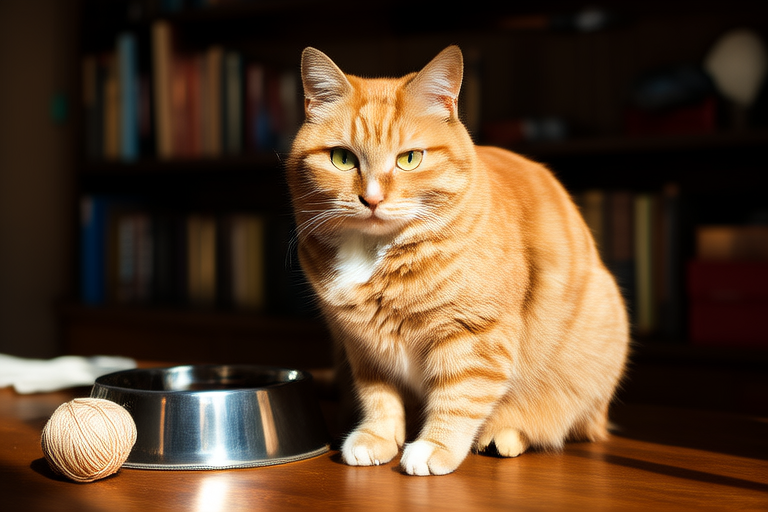
American Shorthairs are medium to large-sized cats with a muscular build, giving them a strong and sturdy appearance. They have a broad chest, a short neck, and a well-proportioned body. Their heads are round with prominent cheeks and a slightly flattened face. Their eyes are large, expressive, and come in various colors, including green, gold, and copper.
The breed’s coat is short and dense, providing excellent protection against harsh weather conditions. American Shorthairs come in a wide range of colors and patterns, with silver tabby being one of the most popular. Other common colors include black, blue, red, cream, and white, often accompanied by distinctive markings such as stripes, spots, or patches.
One of the most notable physical traits of the American Shorthair is its tail, which is thick at the base and tapers gradually to a rounded tip. Their ears are medium-sized and set wide apart, enhancing their alert and attentive demeanor.
Personality and Temperament
American Shorthairs are known for their calm and gentle disposition, making them ideal companions for families with children and other pets. They are highly adaptable and can thrive in various living environments, from bustling households to quiet apartments. These cats are generally easygoing and patient, rarely displaying aggressive or overly demanding behavior.
Despite their laid-back nature, American Shorthairs are intelligent and curious creatures. They enjoy exploring their surroundings and may participate in interactive play sessions with their owners. However, they are not overly dependent and can be content spending time alone if necessary. Their affectionate nature makes them excellent lap cats, and they often seek out close contact with their human companions.
American Shorthairs typically get along well with other pets, including dogs and other cats. They are social animals and appreciate the company of fellow creatures. When introduced properly, they can form harmonious relationships with household pets, adding to the overall harmony of the home.
Care Tips
Nutrition
Proper nutrition is crucial for maintaining the health and vitality of an American Shorthair. A balanced diet that includes high-quality proteins, fats, carbohydrates, vitamins, and minerals is essential. Consult with your veterinarian to determine the appropriate portion sizes and feeding schedule based on your cat’s age, weight, and activity level.
Avoid overfeeding, as obesity can lead to various health issues, including diabetes, arthritis, and heart disease. Opt for premium cat food that meets the nutritional requirements of your American Shorthair. Fresh water should always be available, and consider incorporating occasional treats to reward good behavior or as part of interactive play sessions.
Grooming
The American Shorthair’s short coat requires minimal grooming compared to long-haired breeds. Regular brushing once or twice a week helps remove loose hair and prevents matting. This also provides an opportunity to bond with your cat while checking for any signs of skin issues or parasites.
Bathing is generally unnecessary unless your cat gets particularly dirty or develops a skin condition. If bathing is required, use a mild, pH-balanced shampoo formulated specifically for cats. Afterward, thoroughly dry your cat to prevent discomfort or chills.
Health Issues
Like all cat breeds, American Shorthairs can be prone to certain health issues. Regular veterinary check-ups are essential for early detection and management of potential problems. Some common health concerns include:
- Dental Disease: Brush your cat’s teeth regularly and provide dental treats or toys to help maintain oral hygiene.
- Obesity: Monitor your cat’s weight and adjust their diet and exercise routine accordingly.
- Heart Disease: Pay attention to changes in breathing patterns or lethargy, which may indicate heart-related issues.
- Hypertrophic Cardiomyopathy (HCM): This genetic condition affects the heart muscle and can be managed with medication under veterinary supervision.
Vaccinations and preventive treatments for fleas, ticks, and worms should be kept up to date. Genetic testing can help identify potential hereditary conditions, allowing for proactive management.
Exercise Needs
American Shorthairs are moderately active cats that require regular physical activity to stay healthy and happy. Interactive toys, climbing structures, and puzzle feeders can stimulate their minds and bodies. Consider setting aside dedicated playtime each day to engage your cat in activities that promote mental and physical stimulation.
Encourage your cat to explore safe outdoor areas, but always supervise or keep them indoors if necessary. Providing vertical spaces like shelves or window perches allows your cat to observe their surroundings and feel secure.
Training Techniques
Training an American Shorthair can be both fun and rewarding. Positive reinforcement techniques, such as treats and praise, work best for encouraging desired behaviors. Clicker training can be an effective method for teaching specific commands or tricks.
Consistency is key when training your cat. Establish clear rules and boundaries early on, and reinforce them consistently. Patience and persistence will yield positive results. Remember that each cat is unique, so adapt your training approach to suit your individual pet’s personality and learning style.
Choosing the Right American Shorthair
When considering an American Shorthair as a pet, take the time to research reputable breeders and shelters. Look for cats that exhibit the breed’s characteristic traits and have been raised in loving environments. Spend time interacting with potential pets to assess their personalities and ensure compatibility with your lifestyle.
Once you’ve chosen your American Shorthair, focus on building a strong relationship based on trust and mutual respect. Provide consistent care, attention, and affection to foster a bond that will bring joy to both you and your feline companion. With proper care and attention, your American Shorthair will become a cherished member of your family, providing years of love and companionship.
