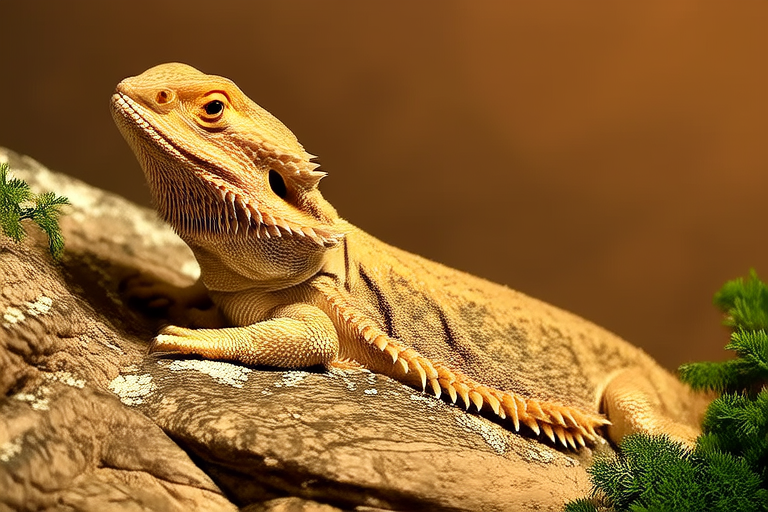
Top 10 Myths About Bearded Dragons Debunked!
Welcome to the fascinating world of bearded dragons! As one of the most popular reptilian pets, these creatures have captured the hearts of many. However, along with their growing popularity, several myths and misconceptions have emerged. It’s crucial to separate fact from fiction to ensure that these unique animals receive the care they deserve. In this article, we’ll explore the top ten myths about bearded dragons, providing you with the scientific facts and expert advice necessary to debunk each one. Let’s dive in and learn more about these captivating creatures!
Myth 1: Bearded Dragons Don’t Need UVB Light
Description of Misconception: Some believe that bearded dragons can synthesize enough vitamin D3 through diet alone, negating the need for UVB lighting.
Why It’s Incorrect: Bearded dragons require UVB light to produce vitamin D3, which is essential for calcium absorption. Without adequate UVB exposure, bearded dragons can develop metabolic bone disease (MBD), a serious condition leading to weakened bones and fractures. According to a study published in the Journal of Herpetological Medicine and Surgery, UVB light is indispensable for maintaining the health of captive bearded dragons.
Myth 2: Bearded Dragons Can Survive on a Diet of Crickets Alone
Description of Misconception: Many novice owners assume that crickets are sufficient for a bearded dragon’s dietary needs.
Why It’s Incorrect: A balanced diet for bearded dragons includes a variety of insects, leafy greens, and vegetables. While crickets are a good source of protein, they lack essential vitamins and minerals. Experts recommend feeding a mix of insects like dubia roaches, silkworms, and earthworms, alongside dark leafy greens such as collard greens and mustard greens. The Association of Reptilian and Amphibian Veterinarians advises against relying solely on crickets to prevent nutritional deficiencies.
Myth 3: Bearded Dragons Can Hibernate Indoors
Description of Misconception: Some believe that bearded dragons hibernate during cooler months, even when kept indoors.
Why It’s Incorrect: Bearded dragons do not hibernate; instead, they undergo brumation, a process where they reduce activity but do not sleep like mammals. Brumation typically occurs in response to environmental cues like temperature changes. When kept indoors under controlled conditions, bearded dragons usually remain active year-round. It’s important to maintain consistent temperatures and lighting to prevent stress and potential health issues.
Myth 4: Bearded Dragons Prefer Cold Temperatures
Description of Misconception: There’s a belief that bearded dragons thrive in cooler environments.
Why It’s Incorrect: Bearded dragons are ectothermic, meaning they rely on external heat sources to regulate their body temperature. They require a warm basking area, ideally around 95-105°F (35-40°C), and a cooler side of the enclosure at about 75-85°F (24-29°C). Exposure to temperatures below 70°F (21°C) can lead to lethargy and reduced appetite. Proper thermoregulation is vital for their digestion and overall well-being.
Myth 5: Bearded Dragons Can Drink Tap Water
Description of Misconception: Some owners believe tap water is suitable for bearded dragons.
Why It’s Incorrect: Tap water often contains chlorine and other chemicals that can harm bearded dragons. It’s best to use filtered or distilled water for drinking and misting. Additionally, offering shallow water dishes allows them to soak, aiding in hydration and shedding. Regular access to clean water is essential for their health and comfort.
Myth 6: Bearded Dragons Don’t Need Mental Stimulation
Description of Misconception: There’s a notion that bearded dragons are simple creatures requiring minimal mental engagement.
Why It’s Incorrect: Bearded dragons are intelligent and curious animals that benefit from environmental enrichment. Providing climbing structures, hiding spots, and interactive toys stimulates their natural behaviors and reduces stress. Engaging with your bearded dragon through gentle handling and playtime can also strengthen your bond and promote its psychological well-being.
Myth 7: Bearded Dragons Can Be Fed Human Food
Description of Misconception: Some owners think that human food scraps are acceptable for bearded dragons.
Why It’s Incorrect: Feeding human food can be dangerous for bearded dragons. Foods high in salt, sugar, or fat are harmful and can cause digestive issues. Stick to a balanced diet of appropriate insects, vegetables, and fruits specifically recommended for reptiles. Consulting a veterinarian specializing in reptiles can help tailor a diet suited to your pet’s age and size.
Myth 8: Bearded Dragons Are Nocturnal
Description of Misconception: There’s a misconception that bearded dragons are primarily active at night.
Why It’s Incorrect: Bearded dragons are diurnal, meaning they are most active during the day. Their activity levels correspond with daylight hours, and they bask under UVB lights to absorb sunlight. Ensuring proper lighting schedules mimics their natural habitat, promoting healthy circadian rhythms and reducing stress.
Myth 9: Bearded Dragons Are Easy to Breed
Description of Misconception: Some believe that breeding bearded dragons is straightforward and without complications.
Why It’s Incorrect: Breeding bearded dragons requires careful planning and expertise. Factors such as age, health, and genetic compatibility must be considered. Improper breeding practices can lead to genetic defects and increased mortality rates among offspring. Responsible breeding should only be undertaken by experienced breeders who prioritize the welfare of the animals involved.
Myth 10: Bearded Dragons Can Live in Small Enclosures
Description of Misconception: There’s a belief that bearded dragons can thrive in small habitats.
Why It’s Incorrect: Bearded dragons need ample space to move, exercise, and display natural behaviors. An enclosure that is too small can lead to stress, obesity, and behavioral problems. The general rule is to provide at least 2-3 square feet of floor space per adult bearded dragon. Larger enclosures also allow for better temperature gradients, contributing to their overall health and happiness.
Conclusion
In conclusion, understanding the truth behind common myths about bearded dragons is essential for responsible pet ownership. By providing accurate information and dispelling misconceptions, we can ensure that these remarkable reptiles receive the care they need to thrive. Remember, a well-informed owner is key to maintaining the health and happiness of any pet. Whether you’re a seasoned reptile enthusiast or a first-time owner, always prioritize your bearded dragon’s well-being by consulting experts and staying informed about the latest research and recommendations. Happy herping!
