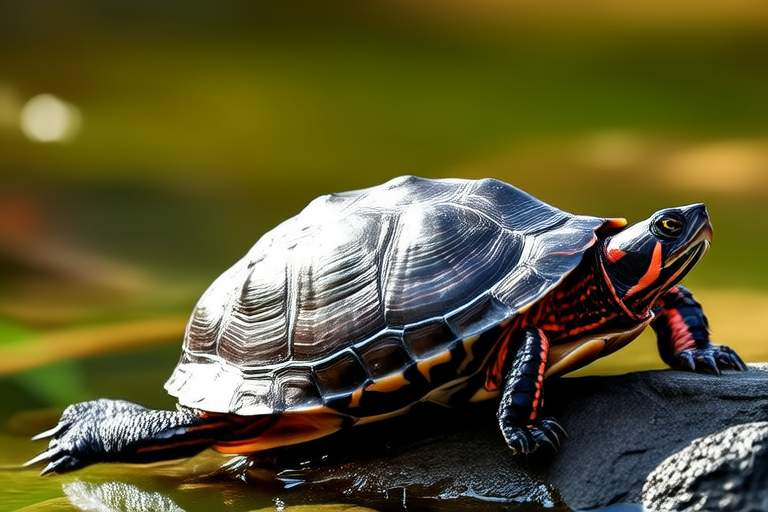
The Complete Red-eared Slider Care Manual Every Pet Owner Needs
Welcome to your ultimate guide to caring for red-eared sliders, one of the most popular turtle species kept as pets. This manual covers everything from setting up the perfect habitat to understanding their dietary needs and health concerns. Whether you’re a first-time slider owner or an experienced enthusiast, this comprehensive guide will provide valuable insights into ensuring the well-being of your pet.
Habitat Setup: Water Quality, Filtration, Basking Area
Creating a suitable habitat is crucial for the health and happiness of your red-eared slider. The ideal tank size for a single adult slider is at least 40 gallons, increasing by approximately 10 gallons per additional turtle. For hatchlings, start with a 20-gallon tank.
Water Quality: Maintain clean water through regular partial water changes. Use a dechlorinator to remove harmful chemicals from tap water before adding it to the tank. Test the water regularly for ammonia, nitrite, and nitrate levels using aquarium test kits. Aim for zero ammonia and nitrite, and keep nitrate below 20 ppm.
Filtration: Invest in a high-quality filter that can handle the volume of water in your tank. A good rule of thumb is to select a filter rated for a tank twice the size of yours. Choose a filter that provides mechanical, biological, and chemical filtration to maintain optimal water quality.
Basking Area: Sliders need a dry area to bask under UVB lighting for vitamin D synthesis. Create a sturdy platform that allows them to fully extend their limbs and neck while out of the water. Ensure the basking spot remains dry between uses to prevent bacterial growth. Place a UVB lamp above the basking area, providing 10-12 hours of light daily.
Diet and Nutrition
A balanced diet is essential for maintaining your slider’s health. Offer a variety of foods, focusing on commercial turtle pellets, supplemented with fresh vegetables and occasional protein sources.
Turtle Pellets: High-quality commercial pellets form the base of your slider’s diet. Look for products specifically formulated for aquatic turtles, ensuring they contain all necessary nutrients.
Vegetables: Provide leafy greens like romaine lettuce, collard greens, and dandelion leaves. Avoid iceberg lettuce due to its low nutritional value. Occasional fruits such as strawberries and melons can be offered but should not make up a significant portion of the diet.
Protein Sources: Offer lean proteins like earthworms, crickets, and occasional fish. Feed protein sources sparingly, as overfeeding can lead to obesity and other health issues.
Supplements: Consider calcium and multivitamin supplements if your slider does not receive adequate sunlight or UVB exposure. Consult with a veterinarian to determine appropriate supplementation.
Health Care: Common Diseases, Preventive Measures
Regular veterinary check-ups are vital for early detection and treatment of potential health issues. Familiarize yourself with common ailments affecting red-eared sliders and take preventive measures to minimize risks.
Respiratory Infections: Symptoms include wheezing, runny nose, and lethargy. Keep the enclosure warm and dry, and ensure proper ventilation. Seek immediate veterinary care if respiratory symptoms persist.
Shell Rot: Characterized by soft spots or lesions on the shell, often caused by poor water quality or trauma. Maintain clean water, avoid overcrowding, and treat any wounds promptly. Consult a veterinarian for appropriate antibiotics.
Mouth Rot: Manifests as white plaques or swelling around the mouth. This condition typically results from poor hygiene or stress. Improve tank conditions, reduce stressors, and consult a vet for antifungal treatments.
Preventive Measures: Quarantine new sliders for several weeks, perform routine water maintenance, and monitor your pet’s behavior and appearance closely. Early intervention can prevent minor issues from becoming severe problems.
Behavior and Interaction
Understanding your slider’s natural behaviors helps foster a positive relationship. While sliders are generally solitary animals, they may exhibit social behaviors when housed together. Observe their interactions closely to ensure compatibility.
Provide enrichment opportunities, such as floating logs or tunnels, to stimulate mental and physical activity. Handle your slider gently, avoiding prolonged periods of contact, as excessive handling can cause stress.
Growth Stages: From Hatchling to Adult
Red-eared sliders experience distinct growth phases throughout their lives, each requiring specific care adjustments.
Hatchlings: Young sliders grow rapidly during their first year, necessitating frequent feeding and careful monitoring of tank conditions. Offer smaller portions more frequently, and ensure the basking area is easily accessible.
Juveniles: As they mature, juveniles become more independent, though they still require attentive care. Continue offering a varied diet and ensure proper water quality. Juvenile sliders may show increased activity and exploration.
Adults: Fully grown sliders reach sizes of 6-12 inches carapace length. Their dietary needs stabilize, but regular health checks remain important. Adult sliders tend to be more sedentary, spending much of their time basking or swimming.
Tips for Choosing Healthy Sliders
Selecting a healthy slider ensures a rewarding pet ownership experience. Visit reputable breeders or pet stores known for ethical practices. Look for active, alert turtles with clear eyes, smooth shells, and no signs of injury or disease.
Ask about the turtle’s history, including diet, habitat conditions, and any medical treatments. Request to see the turtle eating and moving freely. Avoid purchasing sliders with visible deformities or lethargic behavior.
Once home, quarantine your new slider for several weeks to observe its health and acclimate to its new environment. Monitor water parameters closely during this period and consult a veterinarian if any issues arise.
By following these guidelines, you’ll provide your red-eared slider with the best possible care, ensuring a long, healthy, and happy life. Remember, responsible pet ownership involves ongoing learning and adaptation to meet your turtle’s changing needs.
