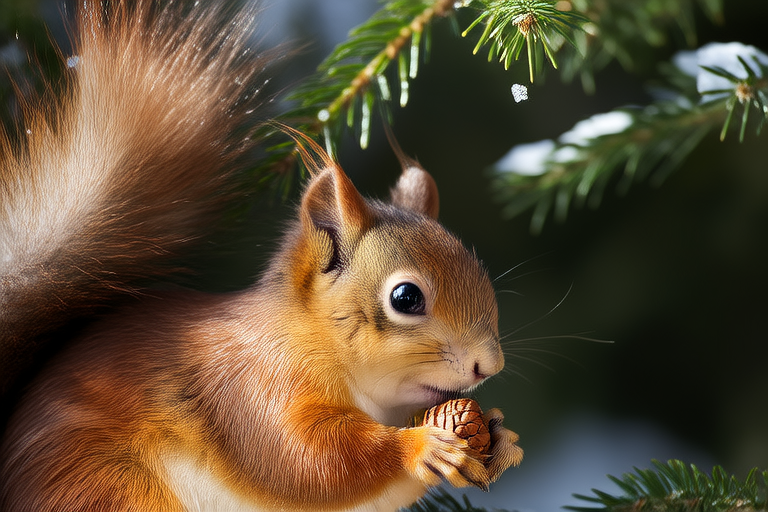
Squirrels: More Than Just Nut Hoarders – Their Mysterious Winter Survival Tactics
When we think of squirrels, images of these bushy-tailed creatures darting around trees and burying nuts often come to mind. While caching nuts is indeed a well-known behavior, it only scratches the surface of the intricate survival tactics employed by these animals during the harsh winter months. Beyond their nut-hoarding habits, squirrels possess a range of unique physiological adaptations, behavioral changes, and less-known strategies that help them endure freezing temperatures, scarce food resources, and other challenges. This article delves into the fascinating world of squirrel survival, exploring specific species, scientific insights, and the potential impacts of climate change on their winter survival tactics.
The Science Behind Squirrel Adaptations
Squirrels have evolved a variety of physiological and behavioral adaptations to survive the winter. One of the most notable physiological adaptations is hibernation, though not all squirrel species engage in this practice. Ground squirrels, such as the thirteen-lined ground squirrel, are known hibernators. During hibernation, their body temperature drops significantly, their heart rate slows, and they enter a state of torpor, reducing their metabolic rate and conserving energy. This allows them to survive long periods without eating or drinking.
Tree squirrels, like the eastern gray squirrel and the red squirrel, do not hibernate but instead rely on their fat reserves and cached food to survive the winter. These squirrels put on significant weight before the cold season arrives, increasing their body mass by up to 50%. This extra fat serves as an essential energy source when food becomes scarce. Additionally, tree squirrels have a higher metabolic rate compared to hibernating species, which helps them maintain their body temperature in cold environments.
Behavioral Changes
In addition to physiological adaptations, squirrels exhibit several behavioral changes to enhance their chances of survival during winter. One such behavior is caching, where squirrels bury nuts and seeds throughout their territory. While this is a well-known strategy, what is less commonly understood is the extent of their caching activities. Some studies suggest that squirrels may cache thousands of nuts each year, with only about 70% being recovered. The remaining nuts contribute to forest regeneration by sprouting into new trees.
Another important behavioral adaptation is social interaction. While typically solitary animals, squirrels sometimes form temporary social bonds during the winter. For instance, red squirrels have been observed sharing food caches, a behavior that can increase their chances of survival in challenging conditions. Moreover, squirrels are known to communicate through vocalizations and scent marking, which helps them navigate their environment and avoid predators.
Less-Known Strategies
Beyond caching and hibernation, squirrels employ several lesser-known strategies to survive winter. One such strategy is denning. Many squirrel species build elaborate dens in tree cavities or underground burrows, providing shelter from harsh weather conditions. These dens are lined with soft materials such as leaves, moss, and fur, creating a warm and cozy environment. Eastern gray squirrels, for example, may construct multiple dens within a single tree, allowing them to move between different locations depending on the severity of the weather.
Another interesting adaptation is the ability to adjust their diet based on available resources. While nuts and seeds are their primary food sources, squirrels are opportunistic feeders and will consume a wide variety of foods, including fruits, insects, and even small vertebrates. This flexibility in diet allows them to adapt to changing environmental conditions and ensures a steady supply of nutrients throughout the winter.
Species-Specific Adaptations
Different squirrel species have developed unique adaptations to cope with winter. The northern flying squirrel, for instance, has large ears and a broad tail, both of which help regulate its body temperature. The large ears allow for better heat dissipation during warmer periods, while the broad tail acts as a counterbalance and provides insulation. Northern flying squirrels also engage in communal nesting, where several individuals share a single nest, further enhancing warmth and survival rates.
On the other hand, the American red squirrel is known for its territorial behavior. Unlike many other squirrel species, red squirrels defend their food caches aggressively, ensuring exclusive access to stored food. This behavior is particularly advantageous during winter when food resources are limited. Red squirrels have also been observed to modify their diet by consuming more bark and twigs when preferred food items are scarce.
The Impact of Climate Change
Climate change poses significant challenges for squirrels, particularly in terms of their winter survival tactics. Rising global temperatures can disrupt the timing of seasonal events, leading to mismatches between the availability of food resources and the needs of squirrels. For example, if trees produce nuts earlier than usual due to warmer spring temperatures, squirrels may not be prepared to gather and store enough food for the upcoming winter.
Moreover, climate change can alter the distribution of suitable habitats, forcing squirrels to adapt to new environments or face population declines. In some cases, squirrels may need to shift their ranges northward or to higher elevations to find cooler climates, which could result in increased competition for resources and conflicts with other species.
Conclusion
Squirrels are far more complex and resourceful than their reputation as simple nut hoarders suggests. Through a combination of physiological adaptations, behavioral changes, and less-known strategies, these animals have evolved sophisticated methods for surviving the harsh winter months. From hibernation and caching to denning and dietary flexibility, squirrels demonstrate remarkable resilience in the face of environmental challenges. As climate change continues to impact ecosystems worldwide, understanding these survival tactics becomes increasingly important for conservation efforts and the preservation of squirrel populations. By appreciating the full scope of squirrel behavior and physiology, we gain a deeper respect for these fascinating creatures and their vital role in maintaining healthy forests.
