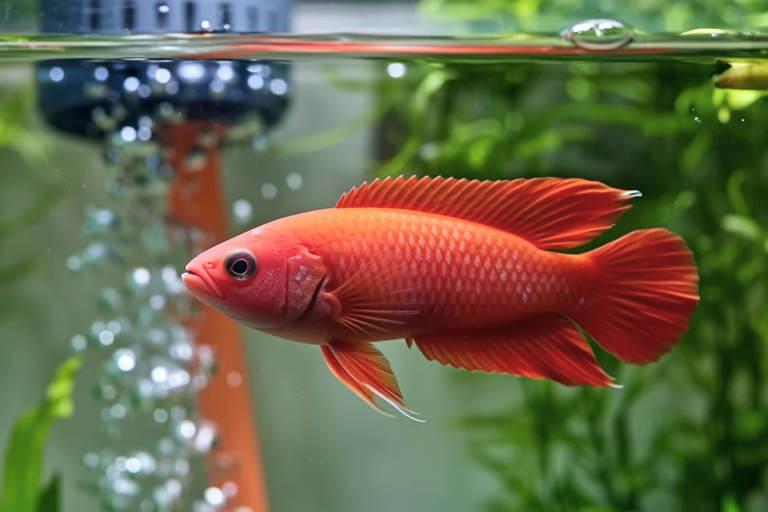
The Ultimate Guide to Keeping a Healthy Parrot Fish
Welcome to the comprehensive guide to keeping a healthy parrot fish! Whether you’re a beginner or an experienced aquarist, this guide will provide you with all the necessary information to ensure your parrot fish thrives in its aquatic environment. From setting up the perfect habitat to understanding their dietary needs and common health issues, we’ve got you covered.
Setting Up the Perfect Habitat
Creating a suitable habitat for your parrot fish is crucial for its well-being. Start by choosing an appropriate tank size; a minimum of 55 gallons is recommended for a single adult parrot fish. Larger tanks are ideal for multiple fish or if you plan to add other species.
Parrot fish require a stable pH level between 6.8 and 7.8, and the temperature should be maintained at around 78-82°F (25.5-27.8°C). Invest in a reliable heater and thermometer to monitor these conditions.
Decorate the tank with rocks, driftwood, and plants to mimic their natural environment. Provide hiding spots and caves for your parrot fish to explore and feel secure. Ensure there are no sharp edges that could injure your fish.
Adequate filtration is essential for maintaining clean water. Choose a filter that can handle the volume of your tank and consider adding a sponge filter to prevent small fry from being sucked into the main filter.
Maintaining Water Quality
Water quality is paramount for the health of your parrot fish. Regularly test the water parameters, including ammonia, nitrite, nitrate, pH, and hardness. Perform partial water changes every week, removing about 10-20% of the tank water and replacing it with fresh, conditioned water.
Use a high-quality aquarium salt mix specifically designed for freshwater tanks. Adding salt can help reduce stress and improve the overall health of your fish. Follow the manufacturer’s instructions for dosage.
Invest in an efficient protein skimmer to remove excess waste and debris from the water. This will help maintain clarity and prevent harmful bacteria from thriving.
Ensure proper oxygenation by incorporating an air pump and diffuser. Parrot fish need plenty of dissolved oxygen in the water to thrive.
Diet and Nutrition
Proper nutrition is vital for the longevity and vibrancy of your parrot fish. A balanced diet should include a variety of foods to meet their nutritional needs. High-quality flake food, pellets, and frozen or live foods such as bloodworms, brine shrimp, and daphnia are excellent choices.
Feed your parrot fish two to three times daily, providing only what they can consume within a few minutes. Overfeeding can lead to poor water quality and health issues.
Incorporate vegetables like spinach, lettuce, and peas into their diet. These foods can help promote vibrant colors and support digestive health. You can blanch the vegetables lightly before feeding them to your fish.
Vary the diet regularly to prevent boredom and ensure a wide range of nutrients. Rotate different types of food to keep your parrot fish engaged and healthy.
Common Health Issues and Prevention
Despite your best efforts, parrot fish may still encounter health issues. Recognizing the signs early and taking prompt action can make a significant difference. Some common health problems include fin rot, ich, and swim bladder disorders.
Fin rot is characterized by frayed or disintegrating fins. It can be caused by poor water quality or aggressive tank mates. Maintain pristine water conditions and provide a peaceful environment to prevent fin rot.
Ich, also known as white spot disease, appears as tiny white spots on the fish’s body. This parasitic infection can be treated with over-the-counter medications available at pet stores. Isolate infected fish to prevent spreading the disease to others.
Swim bladder disorders cause buoyancy issues, making it difficult for the fish to swim properly. This can result from overfeeding or constipation. Offer a varied diet and avoid excessive feeding to prevent swim bladder disorders.
To prevent health issues, quarantine new additions to the tank for several weeks. Regularly check the water parameters and perform routine maintenance. Observe your parrot fish closely for any signs of distress or illness.
Behavioral Insights
Understanding the behavior of your parrot fish can enhance your ability to care for them effectively. Parrot fish are generally peaceful but can become territorial during breeding season. Monitor their interactions and separate them if necessary.
Parrot fish are known for their vibrant colors and playful nature. They enjoy exploring their environment and interacting with tank decorations. Provide ample space and hiding spots to encourage natural behaviors.
Parrot fish are omnivorous and will nibble on plants and algae. While this behavior is normal, excessive plant consumption can be harmful. Plant hardy species or use plastic plants to protect your live plants.
Parrot fish can exhibit signs of stress when their environment is inadequate. Watch for unusual swimming patterns, loss of appetite, or dull coloration. Addressing these issues promptly can help restore your parrot fish’s health.
Tips for Bonding with Your Parrot Fish
Bonding with your parrot fish can be a rewarding experience. Spend time observing them daily to build a connection. Use feeding as an opportunity to interact, offering treats by hand or through a feeding stick.
Consider training your parrot fish to respond to cues or commands. This can strengthen the bond and provide mental stimulation. Start with simple tasks like swimming to a specific location or retrieving objects.
Create a consistent routine for feeding and maintenance. Parrot fish thrive on predictability, and a regular schedule can help reduce stress and promote a sense of security.
Engage in enrichment activities to stimulate your parrot fish mentally. Offer puzzle feeders or floating toys that encourage exploration and problem-solving. This can enhance their well-being and provide entertainment.
Conclusion
Caring for a parrot fish is a fulfilling endeavor that requires dedication and attention to detail. By setting up the perfect habitat, maintaining water quality, providing a balanced diet, and addressing health concerns proactively, you can ensure your parrot fish lives a long and healthy life.
Remember, each parrot fish is unique, and understanding their individual needs will deepen your bond and enhance their well-being. With this guide as your resource, you’re well-equipped to provide the best possible care for your colorful companion.
