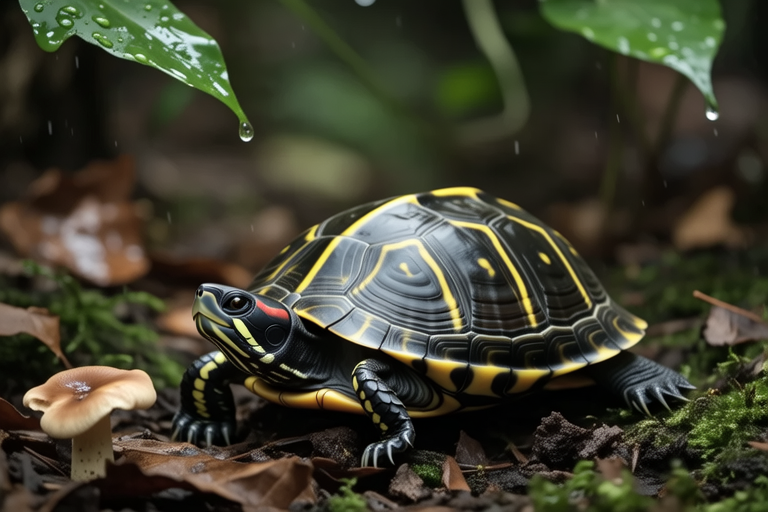
From Forest Floors to Backyards: How to Care for Your Three-Striped Box Turtle
The three-striped box turtle (Trachemys scripta triunguis) is a fascinating reptile that has captured the hearts of many turtle enthusiasts. This article aims to provide a comprehensive guide on how to care for your three-striped box turtle, ensuring that you understand their specific needs and can provide them with a healthy and enriching environment.
Introduction to the Three-Striped Box Turtle Species
The three-striped box turtle is native to the southeastern United States, particularly in areas like Missouri, Arkansas, and parts of Oklahoma and Texas. These turtles are named for the three distinct yellow stripes running along each side of their head, which serve as a distinctive feature. They belong to the genus Trachemys, commonly known as sliders, and are part of the family Emydidae. The three-striped box turtle is characterized by its high-domed shell, which offers protection from predators, and its ability to fully close itself inside the shell when threatened.
Natural Habitat and Diet in the Wild
In their natural habitat, three-striped box turtles are found in forest floors, swamps, and grasslands. They prefer areas with dense vegetation, moist soil, and proximity to water sources such as streams, ponds, or marshes. These turtles are primarily terrestrial, spending most of their time on land but occasionally venturing into shallow water to cool off or search for food.
Their diet in the wild consists mainly of insects, worms, snails, small fish, fruits, and vegetables. They are omnivores, meaning they consume both plant matter and animal protein. Younger turtles tend to have a higher protein diet, while adults consume more plant material. Understanding their natural diet is crucial for replicating their nutritional requirements in captivity.
Suitable Living Conditions and Enclosure Setup for a Backyard Environment
Creating a suitable living environment for your three-striped box turtle is essential for their well-being. A backyard enclosure should mimic their natural habitat as closely as possible, providing ample space for movement, hiding, and basking. The enclosure should be large enough to accommodate the turtle’s size and allow for natural behaviors.
The enclosure should be secured to prevent escapes and protect the turtle from potential predators. It should include a mix of dry land, shallow water, and hiding spots. Ensure that the substrate is safe and provides proper drainage to prevent the buildup of harmful bacteria. Suitable substrates include coconut fiber, cypress mulch, or a combination of topsoil and sand. Providing a variety of textures and materials will encourage exploration and enrichment.
Proper lighting is also crucial for the turtle’s health. UVB lighting is necessary for calcium absorption and vitamin D synthesis. Install a full-spectrum UVB lamp and ensure it covers at least 75% of the enclosure. Additionally, provide a heat source to maintain a temperature gradient within the enclosure, allowing the turtle to regulate its body temperature. A basking area should reach around 90°F (32°C), while the cooler end should be around 75°F (24°C).
Dietary Needs and Feeding Tips
Feeding your three-striped box turtle properly is vital for their overall health and longevity. As mentioned earlier, these turtles are omnivorous, requiring a balanced diet of proteins, vegetables, and fruits. Young turtles need more protein than adults, so their diet should consist of approximately 50% protein and 50% plant matter. Adult turtles should have a diet of about 60% vegetables and 40% protein.
Protein sources can include commercially available turtle pellets, insects such as crickets, mealworms, and earthworms, and occasional pieces of lean, unseasoned meat. Vegetables and fruits should make up the majority of their diet. Suitable options include leafy greens like kale, collard greens, and dandelion greens, as well as fruits like berries, melons, and apples. Avoid feeding them iceberg lettuce, as it lacks nutritional value.
It is important to gut-load feeder insects with nutritious foods before offering them to your turtle. Gut-loading involves feeding insects a diet rich in vitamins and minerals, ensuring that the nutrients are passed on to the turtle when they are consumed. Additionally, supplement their diet with a calcium and vitamin D3 powder to support bone health and proper growth.
Health Care and Common Diseases
Regular health check-ups and monitoring are essential for maintaining your three-striped box turtle’s well-being. Look out for signs of illness, such as lethargy, loss of appetite, swollen eyes, or discharge from the nose or mouth. Early detection and treatment of health issues can prevent more serious complications.
Common health problems in box turtles include respiratory infections, shell rot, and metabolic bone disease. Respiratory infections can occur due to poor environmental conditions, such as inadequate humidity or temperature. Symptoms include nasal discharge, wheezing, and labored breathing. Shell rot is caused by bacterial or fungal infections and appears as soft, discolored patches on the shell. Metabolic bone disease results from calcium deficiency and manifests as brittle bones, deformities, and weakness.
To prevent these issues, ensure optimal living conditions, including appropriate humidity, temperature, and diet. Regularly clean the enclosure to minimize the risk of infections and consult a veterinarian specializing in reptiles for routine check-ups and vaccinations. Establishing a relationship with a reptile veterinarian is crucial for prompt medical attention if needed.
Handling and Interaction Guidelines
Three-striped box turtles can become accustomed to human interaction and may even enjoy gentle handling. However, it is important to handle them carefully and with respect. Always wash your hands before and after handling the turtle to prevent the spread of bacteria. Support their body fully, especially the shell, to avoid causing injury.
Avoid handling the turtle excessively, as this can cause stress and disrupt their normal behavior. Allow them time to explore and engage with their environment without constant interference. If you notice signs of stress, such as rapid breathing or attempting to withdraw into their shell, give them some space and limit handling sessions.
Providing a stimulating environment will encourage natural behaviors and reduce the need for excessive handling. Offer hiding spots, climbing structures, and interactive toys to keep them mentally and physically engaged. This approach promotes a healthier and happier turtle.
Tips for Creating an Enriching Environment to Mimic Their Natural Habitat
Creating an enriching environment for your three-striped box turtle is key to their overall well-being. Mimicking their natural habitat will encourage natural behaviors and promote physical and mental stimulation. Start by providing a diverse range of plants and foliage within the enclosure. Live plants not only add aesthetic appeal but also offer hiding spots and opportunities for foraging.
Incorporate various textures and surfaces, such as logs, rocks, and branches, to create climbing and burrowing opportunities. These structures provide enrichment and help stimulate their natural instincts. Additionally, include a shallow water area where the turtle can swim, soak, and cool off. Ensure the water is clean and regularly changed to maintain hygiene.
Rotating toys and objects within the enclosure can further enhance the environment. Introduce new items periodically to keep the turtle engaged and curious. Providing a variety of sensory experiences, such as different textures, smells, and sounds, will contribute to a more fulfilling life for your pet.
Understanding and meeting the specific needs of the three-striped box turtle is essential for responsible pet ownership. By providing a suitable living environment, proper nutrition, regular health care, and engaging interactions, you can ensure the well-being and happiness of your turtle companion. Emphasizing the importance of these factors will help you create a nurturing home that closely resembles their natural habitat, allowing your three-striped box turtle to thrive in your backyard.
