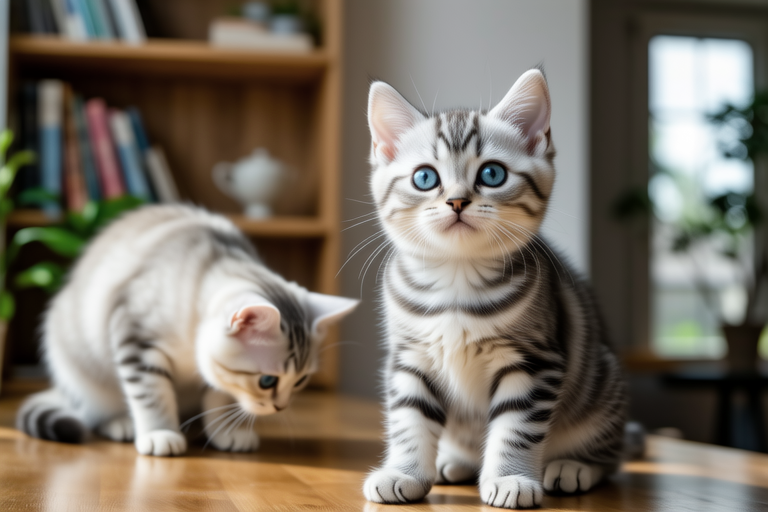
The Unique World of Munchkins: Insights from Expert Breeders
Welcome to the enchanting world of Munchkins, a breed known for its charming appearance and delightful personality. This article delves into the unique characteristics of Munchkins, offering insights from seasoned breeders about their history, breeding practices, and care tips. Whether you’re a prospective owner or a curious admirer, this guide will provide valuable knowledge to help you understand and appreciate these fascinating felines.
Distinctive Physical Traits
Munchkins are easily recognizable by their short legs, which give them a unique appearance. The result of a natural genetic mutation, these cats have an average height of 4 inches at the shoulder, compared to the typical 8-10 inches of other breeds. Despite their diminutive stature, they maintain a sturdy and muscular build, ensuring they remain agile and active. Their short legs are complemented by large, expressive eyes and a variety of coat colors and patterns, making each Munchkin a unique individual.
One of the most striking features of Munchkins is their gait. Due to their shorter limbs, they have a distinct rolling motion when they walk, often referred to as ‘bunny hopping.’ This movement is not only adorable but also showcases their remarkable adaptability and resilience. Their compact bodies and flexible spines allow them to move with surprising grace and speed, despite their reduced leg length.
Temperament and Personality
Munchkins are renowned for their playful and affectionate nature. They are social animals that thrive on interaction with their human companions and other pets. These cats are highly intelligent and enjoy solving puzzles and playing games that stimulate their minds. Their curiosity and inquisitive nature make them excellent companions, always ready to explore new environments and engage in interactive play.
Breeders emphasize that Munchkins are not just lap cats; they are active and energetic. While they appreciate cuddle time, they also require mental and physical stimulation to stay healthy and happy. Their playful demeanor can be attributed to their genetic background, which includes domestic shorthair and longhair cats. This diverse lineage contributes to their adaptable and sociable personalities.
Common Health Issues
Despite their charm and popularity, Munchkins face certain health challenges due to their unique genetic makeup. One of the most significant concerns is spinal issues, such as lordosis (swayback) and pectus excavatum (sunken chest). These conditions can affect the cat’s posture and respiratory function, though many Munchkins lead healthy lives without significant complications.
Breeders recommend regular veterinary check-ups to monitor the spine and overall health of Munchkins. Early detection and management of any issues can significantly improve the quality of life for these cats. Additionally, maintaining a balanced diet and providing ample opportunities for exercise can help prevent obesity-related problems, which are more prevalent in short-legged breeds.
History and Breeding Practices
The history of Munchkins dates back to the 1980s when Sandra Hochenedel discovered a pregnant cat with unusually short legs. She named the cat Blackberry, and the offspring included several kittens with the same trait. Hochenedel partnered with Kay LaFrance to develop the breed further, and in 1995, the International Cat Association (TICA) recognized Munchkins as a formal breed.
Expert breeders stress the importance of selective breeding to ensure the health and longevity of the Munchkin population. They aim to produce cats that are not only visually appealing but also robust and free from genetic disorders. To achieve this, breeders often cross Munchkins with other breeds, particularly domestic shorthairs and longhairs, to introduce diversity and strengthen the gene pool.
When breeding Munchkins, it is crucial to avoid inbreeding, which can exacerbate hereditary conditions. Breeders work closely with veterinarians and geneticists to screen for potential health issues and maintain a balanced breeding program. By prioritizing the welfare of the cats, they strive to create a sustainable and thriving breed.
Care Tips for Munchkins
Owning a Munchkin requires dedication and proper care to ensure their well-being. Here are some essential tips for potential and current owners:
- Diet and Nutrition: Provide a balanced diet rich in protein and essential nutrients. Avoid overfeeding to prevent obesity, which can strain their joints and exacerbate health issues.
- Exercise and Play: Encourage daily physical activity through interactive toys and play sessions. This helps maintain their muscle tone and promotes cardiovascular health.
- Veterinary Care: Schedule routine check-ups with a veterinarian experienced in handling short-legged breeds. Regular monitoring can catch potential health issues early and ensure timely intervention.
- Grooming: Munchkins come in both short-haired and long-haired varieties. Short-haired Munchkins require minimal grooming, while long-haired Munchkins benefit from regular brushing to prevent matting.
- Environmental Enrichment: Create a stimulating environment with climbing structures, scratching posts, and hiding spots. This encourages exploration and provides mental stimulation.
Addressing Misconceptions
There are several misconceptions surrounding Munchkins that potential owners should be aware of. One common myth is that all Munchkins suffer from severe mobility issues. While some may experience discomfort or limitations, many lead active and fulfilling lives. Another misconception is that Munchkins are prone to respiratory problems. Although lordosis can affect the chest cavity, proper care and management can mitigate these risks.
Breeders emphasize the importance of responsible ownership and education. They encourage potential owners to research the breed thoroughly and consult with experienced breeders before making a commitment. By understanding the unique needs of Munchkins, owners can provide the best possible care and ensure their cats live long, healthy lives.
Conclusion
The Munchkin cat breed offers a delightful blend of charm, intelligence, and adaptability. Their distinctive physical traits, coupled with their playful and affectionate nature, make them beloved companions for many households. While they do face certain health challenges, with proper care and attention, Munchkins can thrive and bring joy to their owners.
This article has provided valuable insights from expert breeders about the history, breeding practices, and care tips for Munchkins. We hope this information helps you better understand and appreciate these unique cats. Whether you’re considering adding a Munchkin to your family or simply admiring their quirky charm, we invite you to join the growing community of Munchkin enthusiasts.
