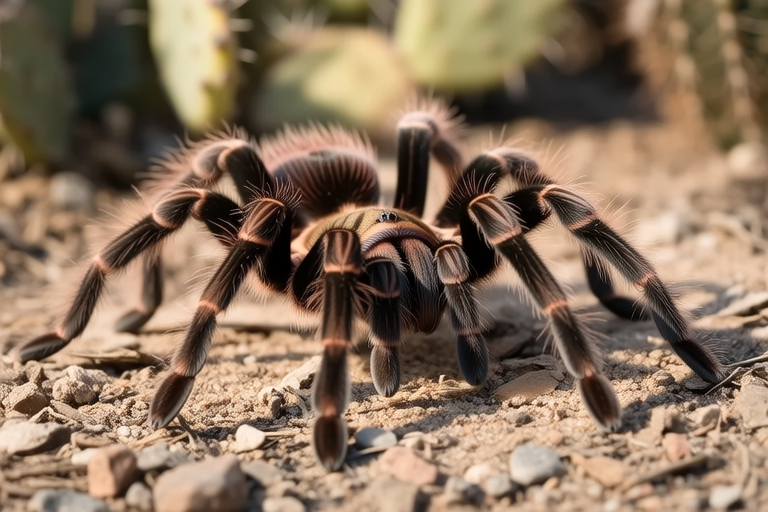
Top 10 Fascinating Facts About Chilean Rose Tarantulas
The Chilean rose tarantula, also known as Grammostola rosea, is one of the most popular pet tarantulas due to its manageable size, docile temperament, and striking appearance. These fascinating creatures have captivated arachnophiles for years with their unique behaviors and intriguing biology. This article delves into ten fascinating facts about these spiders, offering scientific insights, detailed habitat descriptions, and essential care tips for owners. We’ll also debunk some common myths surrounding these magnificent arachnids.
1. Distinctive Appearance
One of the most striking features of the Chilean rose tarantula is its vibrant pinkish-red coloration, which contrasts beautifully against its dark legs. The scientific name Grammostola rosea is derived from this characteristic hue, though the color can vary slightly depending on the individual spider’s diet and environment. This species belongs to the family Theraphosidae, commonly referred to as wandering spiders due to their solitary nature and tendency to move around freely within their habitats.
2. Habitat and Natural Distribution
Native to South America, specifically the desert regions of Chile, Argentina, and Bolivia, the Chilean rose tarantula thrives in arid environments characterized by sparse vegetation and rocky outcrops. These spiders prefer burrowing underground or creating dens under rocks to avoid predators and extreme weather conditions. In captivity, they require a similar setup with plenty of substrate for digging and hiding spots to mimic their natural environment.
3. Unique Defensive Mechanisms
When threatened, the Chilean rose tarantula employs several defensive strategies to deter potential predators. One of the most remarkable is its ability to release urticating hairs from specialized patches on its abdomen. These tiny barbed hairs cause irritation upon contact with skin or mucous membranes, effectively discouraging attackers. Additionally, these tarantulas may adopt a threat posture by raising their front legs and exposing their fangs, although biting is rarely necessary due to their potent defense mechanisms.
4. Mating Rituals and Reproduction
The mating process between male and female Chilean rose tarantulas involves intricate courtship behaviors that can last several hours. After locating a receptive female, the male will perform a series of vibrations and leg movements to signal his intentions. Once copulation occurs, the female will lay approximately 500 eggs in a silk sac, which she guards diligently until they hatch. Spiderlings emerge after about two weeks but remain dependent on their mother for another month before dispersing independently.
5. Lifespan and Growth
Under optimal conditions, Chilean rose tarantulas can live up to 10 years or more, making them relatively long-lived compared to other arachnids. Females tend to outlive males by several years, often reaching ages exceeding 15 years. Their growth rate varies based on factors such as temperature, humidity levels, and dietary intake; however, most individuals reach full maturity within three to four years.
6. Diet and Feeding Habits
In the wild, Chilean rose tarantulas feed primarily on insects like crickets, beetles, and moths. They are opportunistic hunters, ambushing prey using ambush tactics rather than actively pursuing it. Owners should provide a balanced diet consisting of appropriately sized feeder insects supplemented with calcium and vitamin D3 to ensure proper nutrition. Overfeeding should be avoided to prevent obesity-related health issues.
7. Handling and Interaction
Despite their generally docile demeanor, handling Chilean rose tarantulas requires caution and respect for their boundaries. Unlike some other tarantula species, they do not enjoy being handled frequently and may become stressed if subjected to excessive physical contact. When interacting with your pet, always handle them gently and allow ample time for acclimatization. Regular observation without direct interaction helps maintain a strong bond while minimizing stress.
8. Myths Debunked: Are They Venomous?
Contrary to popular belief, the venom produced by Chilean rose tarantulas poses little threat to humans. While their bite can cause localized pain and swelling similar to a bee sting, it does not pose significant medical risks unless the individual has an allergic reaction. It’s important to note that these spiders typically reserve their venom for subduing prey rather than defending themselves against larger threats.
9. Care Tips for Owners
Maintaining a healthy and happy Chilean rose tarantula involves providing appropriate housing, maintaining consistent environmental parameters, and offering a nutritious diet. A glass terrarium equipped with ventilation holes provides adequate space for climbing and burrowing activities. Temperature should range between 75°F and 85°F (24°C – 29°C), while humidity levels should be kept between 60% and 80%. Regular cleaning and monitoring of substrate moisture are crucial to prevent mold growth and respiratory problems.
10. Conservation Status and Ethical Considerations
Although not currently listed as endangered, overcollection for the pet trade poses a threat to wild populations of Chilean rose tarantulas. Supporting ethical breeders who prioritize animal welfare ensures sustainable practices that benefit both consumers and native ecosystems. By choosing captive-bred specimens, you contribute positively towards conservation efforts aimed at preserving biodiversity.
In conclusion, Chilean rose tarantulas are truly captivating creatures worthy of admiration and respect. Whether you’re an experienced arachnophile or just beginning your journey into spider keeping, understanding these fascinating facts enriches our appreciation for these amazing animals. Always remember to prioritize the well-being of your pets through responsible ownership and informed decision-making.
