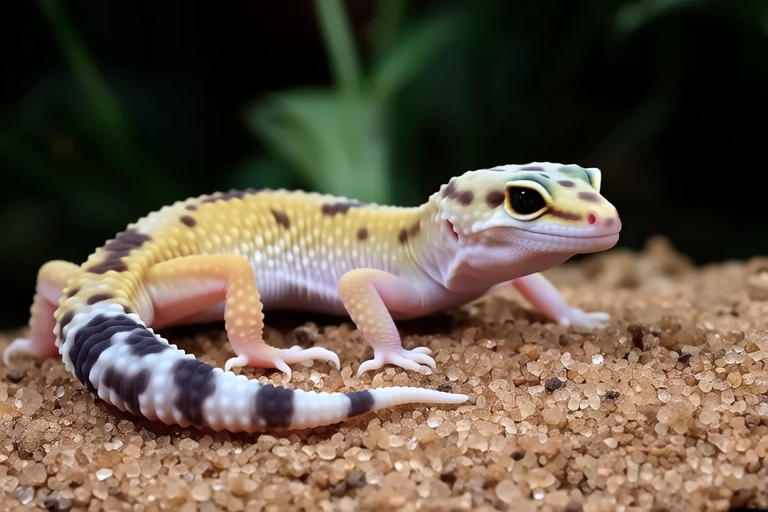
Unraveling the Mystery Behind the Unique Behavior of Leopard Geckos
Leopard geckos have become increasingly popular among reptile enthusiasts over the years. Known for their docile nature and vibrant coloration, they make excellent pets for both beginners and experienced reptile owners. Their unique behaviors, which are a direct result of their evolutionary adaptations, make them fascinating creatures to observe and study.
The Popularity of Leopard Geckos as Pets
Leopard geckos are one of the most commonly kept reptiles in homes today. They are relatively easy to care for, require less space than some other pet reptiles, and can live up to 20 years if properly cared for. These factors contribute to their growing popularity. Additionally, their charming appearance and gentle demeanor make them ideal companions for people who want to enjoy the company of a pet without the commitment of a larger animal.
Natural Habitat and Its Influence on Behavior
Understanding the natural habitat of leopard geckos is crucial to understanding their behavior. Native to the rocky, arid regions of Afghanistan, Pakistan, and parts of India, these geckos thrive in environments that are hot during the day and cool at night. This environment shapes their behavior, making them primarily nocturnal animals. In the wild, they spend their days hiding in burrows or under rocks to avoid the intense heat and predators, emerging only at night when temperatures are more favorable for hunting and foraging.
Nocturnal Activities
One of the most distinctive behaviors of leopard geckos is their nocturnal activity pattern. Being active at night allows them to avoid daytime predators and take advantage of cooler temperatures. In captivity, this behavior is easily observed as they become more active after sunset. Owners can encourage this natural behavior by providing a hide box and ensuring the tank has a proper temperature gradient. The hide box should be placed on the warmer side of the enclosure, allowing the gecko to regulate its body temperature while staying safe from potential threats.
Tail-Dropping as a Defense Mechanism
Another unique behavior exhibited by leopard geckos is their ability to drop their tails as a defense mechanism. This behavior, known as autotomy, is triggered when the gecko feels threatened. The tail will continue to wiggle after being dropped, distracting predators long enough for the gecko to escape. While losing a tail can be stressful for the gecko, it usually regenerates within a few months. However, it is important for owners to provide a stress-free environment to minimize the likelihood of tail dropping. Regular handling and interaction can help the gecko feel secure, reducing the need to resort to this defense mechanism.
Feeding Habits
Leopard geckos are insectivores, meaning their diet consists mainly of insects. In the wild, they consume a variety of prey items, including crickets, mealworms, and waxworms. In captivity, owners should replicate this diet as closely as possible. It is essential to feed a balanced diet to ensure optimal health. Gut loading, where feeder insects are fed nutritious foods before being offered to the gecko, can enhance the nutritional value of the prey. Additionally, dusting the feeder insects with calcium and vitamin D3 supplements helps prevent deficiencies.
Captivity and Owner’s Role
In captivity, owners play a crucial role in replicating the gecko’s natural environment to promote healthy behavior. Proper husbandry practices, such as maintaining appropriate temperature and humidity levels, are vital. A temperature gradient within the enclosure allows the gecko to thermoregulate, ensuring it stays comfortable. Humidity levels should be kept low to mimic their desert habitat, preventing respiratory issues. Providing a variety of hiding spots and climbing structures encourages exploration and exercise, mimicking their natural foraging behavior.
Owners should also pay close attention to the gecko’s feeding habits. Monitoring the frequency and quantity of food consumed can provide insight into the gecko’s overall health. If the gecko shows a sudden decrease in appetite or changes in behavior, it may indicate an underlying issue that requires veterinary attention. Regular vet check-ups can help catch any potential problems early, ensuring the gecko remains healthy.
Importance of Continuous Learning and Adaptation
For both the gecko and its owner, continuous learning and adaptation are key to maintaining a healthy and happy relationship. As new research emerges about leopard gecko behavior and care, owners should stay informed to provide the best possible care. This includes keeping up with advancements in veterinary medicine and understanding the latest trends in reptile husbandry.
Owners should also be adaptable, recognizing that each gecko is unique and may have individual preferences and needs. By fostering a bond based on trust and respect, owners can create an environment where the gecko feels safe and secure. This, in turn, promotes positive behavior and ensures a rewarding experience for both the owner and the pet.
In conclusion, leopard geckos are captivating creatures with unique behaviors that stem from their natural habitat and evolutionary adaptations. By understanding and catering to their needs, owners can provide a stimulating and enriching environment for their pets. Continuous learning and adaptation are essential for both the gecko and its owner to ensure a healthy and happy relationship. With proper care and attention, leopard geckos can bring joy and fascination to their human companions for many years.
