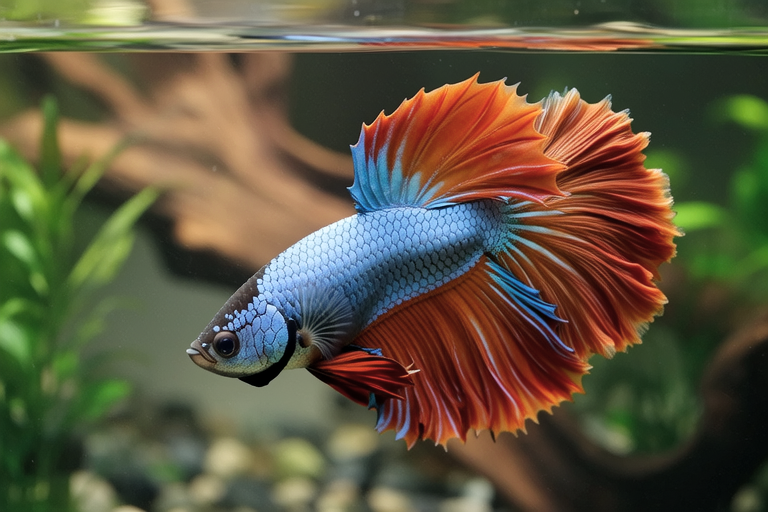
Tank Tales: Secrets to Keeping Your Betta Happy and Healthy
Welcome to Tank Tales, your go-to guide for all things related to keeping your Betta happy and healthy! Whether you’re a seasoned fish keeper or just starting out, this article will provide you with valuable insights and practical advice to ensure your Betta thrives in its aquatic home.
Optimal Tank Setup
The first step to keeping your Betta happy and healthy is setting up the right environment. Bettas are often sold in small containers, but they need more space to thrive. A minimum tank size of 2.5 gallons is recommended, but larger tanks are always better. For example, a 5-gallon tank provides ample room for swimming and exploring.
Choose a tank with a wide surface area rather than a tall one, as Bettas need access to oxygen-rich surface water. Opt for a tank with a lid to prevent them from jumping out. Adding a filter can help maintain water quality, but be cautious with strong currents that might stress your Betta.
Substrate is another important consideration. Smooth gravel or sand works well, but avoid sharp stones that could injure your Betta. Decorations like plants, caves, and driftwood offer hiding spots and enhance the tank’s aesthetics. Live plants, such as Java ferns and Anubias, not only beautify the tank but also improve water quality by absorbing nitrates.
Water Conditions
Maintaining proper water conditions is crucial for your Betta’s health. Ideal water temperature ranges between 76°F and 82°F (24°C and 28°C), so invest in a reliable aquarium heater. Regularly check the temperature to ensure it stays within this range.
Water pH should be slightly acidic, around 6.5 to 7.5. Test kits are essential tools for monitoring pH levels. Consistent water parameters are key to preventing stress and disease. Perform partial water changes every week, replacing about 20% of the tank water to keep ammonia and nitrite levels low.
Adequate aeration is vital for Bettas, which breathe through their labyrinth organ. Ensure the tank has sufficient surface agitation to promote oxygen exchange. If you notice your Betta gasping at the water’s surface, it may indicate poor oxygenation.
Suitable Tankmates
Bettas are often solitary creatures and can become aggressive when housed with other fish. However, some peaceful companions can coexist harmoniously. Choose bottom-dwelling species that won’t compete for the same space. Examples include Otocinclus catfish, cherry shrimp, and snails.
It’s crucial to introduce new tankmates gradually and monitor interactions closely. Some Bettas may tolerate certain fish, while others may not. Always research potential tankmates thoroughly before adding them to your Betta’s tank.
Never house male Bettas together, as they are highly territorial and will fight until one is severely injured or killed. Female Bettas can be kept together in a group, provided they have plenty of space and hiding spots. This arrangement is known as a sorority tank.
Diet Tips
Bettas are carnivorous and require a protein-rich diet. High-quality Betta pellets, freeze-dried bloodworms, and brine shrimp are excellent food options. Offer small portions twice daily, as overfeeding can lead to obesity and swim bladder issues. Rotate different foods to ensure a balanced diet and prevent boredom.
Some owners enjoy feeding their Bettas live foods like mosquito larvae and daphnia. While these can be nutritious, they may carry parasites, so use them sparingly and quarantine them if possible. Fresh vegetables, such as blanched zucchini and peas, can also be offered occasionally to aid digestion.
Observe your Betta’s eating habits. A healthy Betta should eagerly accept food within a few seconds. If your Betta shows no interest in eating, it may indicate underlying health issues or stress.
Regular Maintenance
Consistent maintenance is vital for your Betta’s wellbeing. In addition to weekly water changes, clean the tank glass, decorations, and filter regularly. Remove any uneaten food promptly to prevent contamination. Inspect your Betta daily for signs of illness or distress.
Use a gravel vacuum during water changes to remove debris from the substrate. Clean the filter media every month, rinsing it in old tank water to preserve beneficial bacteria. Replace the filter cartridge annually or sooner if it becomes clogged.
Regular maintenance not only keeps the tank clean but also prevents costly repairs and replacements. A well-maintained tank ensures a stable environment for your Betta, promoting longevity and happiness.
Signs of a Healthy Betta
A healthy Betta exhibits vibrant colors, active behavior, and a well-rounded body. Their fins should be intact and free from tears or discoloration. Healthy Bettas swim gracefully, with buoyancy control and no signs of lethargy.
Monitor your Betta’s respiration rate. A healthy Betta breathes steadily without gasping at the surface. Their gills should move rhythmically, indicating efficient oxygen uptake. Regularly check for any unusual growths, spots, or lesions that may indicate health issues.
If your Betta displays any concerning signs, consult a veterinarian specializing in exotic pets or seek advice from experienced aquarists. Early intervention can make a significant difference in treating and managing potential health problems.
Common Health Issues
Despite best efforts, Bettas may still encounter health issues. Common ailments include fin rot, Ich, and swim bladder disorders. Fin rot manifests as frayed, discolored, or bleeding fins. Ich appears as tiny white spots on the Betta’s body and fins. Swim bladder disorders cause difficulty swimming upright or maintaining balance.
To prevent these issues, maintain optimal water conditions, feed a balanced diet, and avoid overcrowding. If symptoms persist, consult a veterinarian for diagnosis and treatment. Quarantine new additions to the tank for several weeks to prevent introducing diseases.
Medications are available for treating specific ailments, but always follow the instructions carefully. Overmedication can harm your Betta and other tank inhabitants. Prevention is key, so prioritize regular maintenance and water quality checks.
Mental Stimulation
While physical health is crucial, mental stimulation is equally important for your Betta’s overall wellbeing. Provide interactive toys and enriching environments to keep your Betta engaged. Floating plants, sinking treats, and puzzle feeders encourage exploration and problem-solving.
Consider incorporating gentle music or ambient sounds into your tank’s environment. Some Bettas respond positively to soft melodies, showing increased activity and interest. Rotate decorations periodically to create a dynamic and stimulating habitat.
Engage with your Betta by gently moving objects within the tank or offering interactive play sessions. Your Betta may respond by chasing or investigating, enhancing its cognitive functions and reducing stress.
In conclusion, Tank Tales offers a comprehensive guide to keeping your Betta happy and healthy. By understanding the optimal tank setup, water conditions, suitable tankmates, diet tips, regular maintenance, signs of a healthy Betta, common health issues, and providing mental stimulation, you’ll ensure your Betta thrives in its aquatic home. Remember, a little effort goes a long way in creating a thriving environment for your beloved Betta.
