Betta Behavior Unveiled: Secrets of Your Fish’s Actions Explained
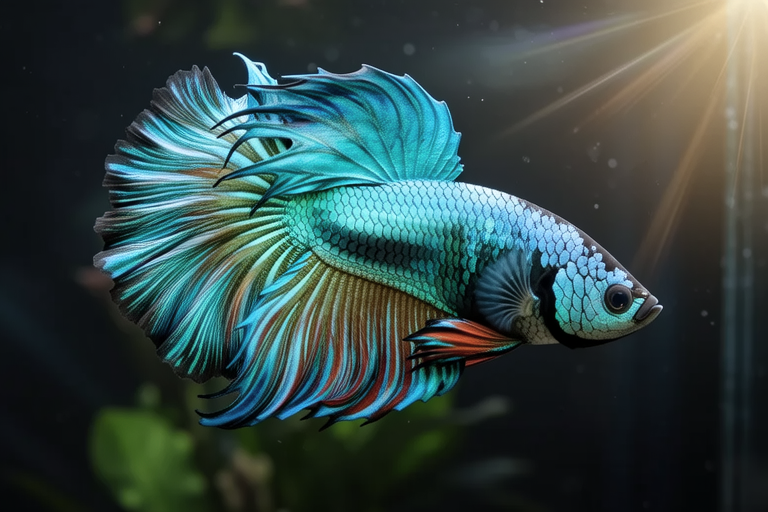
Welcome to the fascinating world of betta fish! These colorful, vibrant creatures are popular among aquarium enthusiasts due to their striking appearance and relatively low maintenance requirements. Betta fish, also known as Siamese fighting fish, are native to the rice paddies of Thailand and possess several unique characteristics that make them stand out in the aquatic world.
Unique Characteristics of Betta Fish
Betta fish are renowned for their long, flowing fins and vibrant colors. Their ability to breathe air through a labyrinth organ allows them to survive in oxygen-depleted environments, making them adaptable to various water conditions. This feature also means they can be kept in smaller tanks compared to other fish species, though it is important to provide adequate space for their well-being.
Common Behaviors and Their Contexts
Flaring Gills
One of the most notable behaviors of betta fish is flaring their gills. This action is often mistaken as aggression, but it serves multiple purposes. Flaring gills can indicate stress, excitement, or even courtship. When your betta flares its gills, it is expanding its operculum (the bony flap covering the gills) to appear larger and more intimidating. This behavior is commonly seen when another fish is introduced into the tank or during feeding times. Understanding this action helps you gauge your betta’s mood and respond accordingly.
Fin Displays
Another characteristic behavior of bettas is displaying their fins. They use this behavior to attract mates, establish territory, or intimidate rivals. Male bettas, in particular, exhibit elaborate fin displays to show off their vibrant colors and intricate patterns. Females may also display their fins, but their movements are generally less dramatic than those of males. Fin displays can also occur during feeding times or when the fish feels threatened.
Territorial Actions
Bettas are known for their territorial nature, especially males. They can become aggressive towards other fish, particularly those of the same sex. This territorial behavior is rooted in their instinct to protect their living space from potential threats. To prevent conflicts, it is crucial to maintain a single male betta per tank or ensure that any additional fish are peaceful and non-aggressive species.
Feeding Habits
Bettas are carnivorous and primarily feed on small insects and larvae in the wild. In captivity, they thrive on a diet of high-quality betta pellets, flakes, and occasional live or frozen foods like bloodworms and brine shrimp. It is essential to feed your betta small amounts of food two to three times daily, ensuring that the food is consumed within a few minutes. Overfeeding can lead to health issues, including bloating and poor water quality. Always monitor your betta’s eating habits and adjust the amount of food accordingly.
Sleep Patterns
Bettas, like many fish, do not have eyelids, so they cannot close their eyes while sleeping. They rest by floating near the surface or resting on the substrate. Bettas require periods of rest to recover from daily activities and maintain overall health. While they may not exhibit distinct sleeping patterns like humans, they benefit from consistent lighting schedules. Avoid sudden changes in light intensity, as this can disrupt their routine and cause stress.
Environmental Factors Influencing Behavior
The environment plays a significant role in shaping betta behavior. Water temperature, pH levels, and tank size can all impact your fish’s well-being and activity levels. Bettas prefer water temperatures between 76°F and 82°F (24°C and 28°C). Maintaining a stable temperature range ensures optimal health and encourages natural behaviors. Additionally, bettas thrive in slightly acidic water with a pH level between 6.5 and 7.0. Regular water testing and adjustments are necessary to keep the water parameters within the ideal range.
Tank size is another critical factor influencing betta behavior. While bettas can survive in smaller tanks, they require ample space to swim and explore. A minimum tank size of 5 gallons is recommended for a single betta, with additional space needed if housing multiple fish or adding decorations. Providing hiding spots, plants, and other structures enriches the environment and reduces stress.
Maintaining a Healthy Environment
To encourage positive behaviors and ensure the well-being of your betta, it is crucial to maintain a clean and healthy environment. Regular water changes, typically 20-30% weekly, help remove waste and toxins, promoting clear water and reducing the risk of diseases. Proper filtration systems are essential for maintaining water quality and supporting the betta’s respiratory system.
Adequate lighting is also vital for betta health. Provide a gentle, indirect light source for 8-12 hours daily, mimicking natural daylight cycles. Avoid harsh, direct sunlight, which can cause algae growth and heat up the water too quickly. Lighting not only enhances the viewing experience but also supports the betta’s circadian rhythms.
Tips for New Betta Owners
Interpreting your betta’s actions is key to providing excellent care. Observe your fish regularly to understand its normal behavior and identify any unusual signs. Common signs of distress include lethargy, loss of appetite, erratic swimming, and color fading. If you notice any of these symptoms, it is advisable to consult a veterinarian specializing in exotic pets for diagnosis and treatment.
Building a strong bond with your betta takes time and patience. Spend time near the tank, talking softly or playing music, to create a positive association. Some bettas may even learn to recognize their caretakers and respond to gentle touch or feeding cues. Engaging with your fish fosters trust and enhances their overall happiness.
In conclusion, understanding betta behavior is essential for providing the best possible care. By recognizing the reasons behind their actions and maintaining a healthy environment, you can ensure that your betta thrives and exhibits natural, vibrant behaviors. Whether you’re a beginner or an experienced aquarist, taking the time to understand your fish’s needs will lead to a rewarding and fulfilling relationship.
