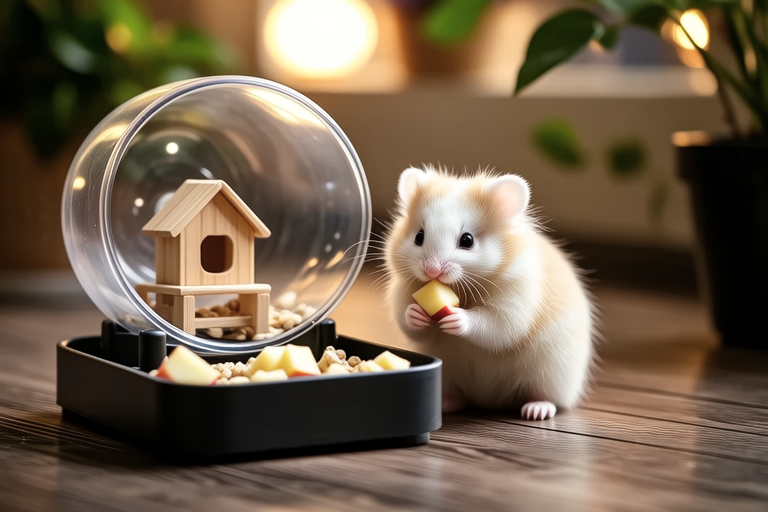
5 Essential Tips for Keeping Your Hamster Happy and Healthy at Home
Welcome to the world of hamster ownership! These small, fluffy creatures are popular pets due to their adorable appearance and relatively low maintenance needs. However, it’s important to remember that proper care is crucial for your hamster’s well-being. Providing the right environment, diet, and attention can significantly enhance their quality of life, ensuring they remain healthy and happy. This guide offers five essential tips to help you create a nurturing home for your new furry friend.
1. Provide a Suitable Habitat
The first step in keeping your hamster happy and healthy is providing a comfortable and spacious living environment. A cage is more than just a place to house your pet; it should be designed to meet their physical and psychological needs. Ensure the cage is large enough for your hamster to move around freely, with dimensions ideally no smaller than 30x45cm for dwarf hamsters and 45x60cm for Syrian hamsters.
Choose bedding wisely. Avoid cedar or pine shavings as they can irritate your hamster’s respiratory system. Opt for paper-based bedding or recycled paper products instead. Include various levels within the cage, such as platforms and tunnels, to encourage exploration and climbing. Adding soft nesting material like tissue paper or shredded paper provides comfort and encourages natural behaviors like burrowing.
Place the cage in a quiet area away from direct sunlight and drafts. Direct exposure to sunlight can cause overheating, while drafts may lead to illness. Ensure the cage has adequate ventilation but no direct airflow. Lastly, consider the location of the cage. A peaceful corner of your home where your hamster can enjoy some privacy and quiet is ideal.
2. Ensure a Balanced Diet
Feeding your hamster a nutritious and balanced diet is vital for maintaining their health. A good diet includes a mix of commercial hamster food, fresh vegetables, fruits, and occasional treats. Commercial hamster food provides the necessary nutrients, vitamins, and minerals for your pet’s growth and development.
Incorporate fresh vegetables like carrots, broccoli, and spinach into your hamster’s diet, offering them in small quantities. Fruits such as apples and strawberries can also be given in moderation. Always wash fruits and vegetables thoroughly before feeding them to your hamster. Avoid feeding them avocados, chocolate, or sugary snacks, as these can be harmful.
Provide a constant supply of fresh water. Use a sipper bottle attached to the side of the cage to ensure easy access. Change the water daily and clean the bottle regularly to prevent bacterial growth. Additionally, offer a variety of foods to stimulate interest and prevent boredom. Rotate different types of vegetables and fruits weekly to keep your hamster interested in mealtime.
3. Maintain Cleanliness
Maintaining a clean living environment is crucial for your hamster’s health. Regular cleaning helps prevent the buildup of bacteria, odors, and potential health issues. Clean the cage once a week, removing all bedding and replacing it with fresh material. Wash the cage thoroughly with mild soap and warm water, then rinse and dry it completely before adding new bedding.
Spot-clean the cage daily to remove any soiled areas and replace bedding as needed. Pay special attention to the food and water containers. Clean them every few days and refill with fresh food and water. Regular cleaning also helps in monitoring your hamster’s health. Look out for any changes in behavior, appetite, or physical condition that might indicate illness.
To further maintain cleanliness, wash your hands before handling your hamster. This prevents the transfer of germs and ensures a safe interaction. Keep your hamster’s toys and accessories clean as well. Regularly wash chew toys and sanitize wheels to prevent the spread of bacteria. By keeping your hamster’s environment clean, you promote their overall health and well-being.
4. Offer Opportunities for Exercise
Exercise is vital for your hamster’s physical and mental health. Hamsters are active animals that need opportunities to run, climb, and explore. Provide a running wheel as a primary source of exercise. Choose a solid-surface wheel to prevent injuries to your hamster’s feet. Place the wheel in a quiet area of the cage to avoid disturbing your pet during its activity.
In addition to the wheel, offer other forms of exercise. Introduce tunnels, platforms, and ladders to encourage climbing and exploration. Rotate toys occasionally to keep your hamster engaged and stimulated. You can also build an exercise ball specifically designed for hamsters to allow supervised play outside the cage. Always supervise your hamster during playtime to ensure safety.
Exercise not only keeps your hamster physically fit but also helps reduce stress and anxiety. Regular activity promotes better sleep patterns and overall mood. Encourage your hamster to engage in play by placing treats inside toys or creating mazes for them to navigate. By providing ample opportunities for exercise, you contribute to your hamster’s happiness and longevity.
5. Establish a Routine for Handling and Interaction
Handling and interacting with your hamster regularly is important for bonding and maintaining their socialization skills. Spend time with your hamster daily, even if it’s just a few minutes. Gently handle your pet to get them used to human touch. Start by placing your hand in the cage and allowing your hamster to approach you. Once they feel comfortable, gently pick them up, supporting their body with both hands.
Handle your hamster in a calm and gentle manner. Avoid sudden movements or loud noises that could startle them. Regular interaction builds trust and strengthens the bond between you and your pet. Schedule specific times for handling and play, making it part of your daily routine. Consistency helps your hamster anticipate and enjoy these interactions.
During playtime, engage in activities that stimulate your hamster’s mind and body. Create puzzles or hide treats for them to find. Teach them simple tricks like fetching or following commands. By establishing a routine for handling and interaction, you provide your hamster with the social stimulation they need to thrive.
Conclusion
Attentive care is the key to keeping your hamster happy and healthy. By following these five essential tips – providing a suitable habitat, ensuring a balanced diet, maintaining cleanliness, offering opportunities for exercise, and establishing a routine for handling and interaction – you create an environment that supports your hamster’s physical and emotional needs. Responsible pet ownership involves commitment and dedication to the well-being of your pet.
Investing time and effort into caring for your hamster will reward you with a joyful companion. Enjoy the moments spent together, and take pride in knowing that your thoughtful actions contribute to a healthier, happier life for your little friend. Remember, a well-cared-for hamster is a content and thriving hamster, making your home a happier place too.
