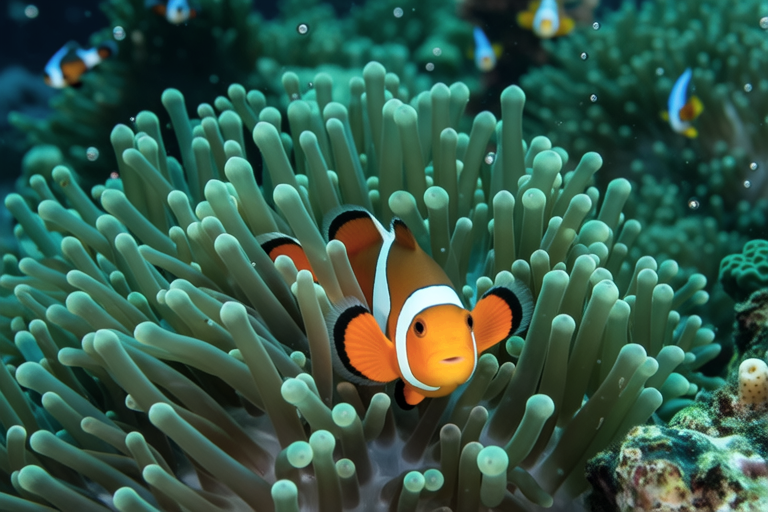
How to Create an Ideal Habitat for Your Clownfish at Home
Clownfish, known for their vibrant colors and distinctive patterns, have become popular choices among aquarium enthusiasts. Their unique relationship with sea anemones and their adaptability to various environments make them fascinating subjects for home aquariums. However, successfully keeping clownfish requires creating an ideal habitat that meets their specific needs. This guide will walk you through the essential steps to set up a thriving environment for your clownfish, ensuring they remain healthy and happy.
Selecting the Right Aquarium Size
The first step in creating an ideal habitat for your clownfish is choosing the right aquarium size. Clownfish require ample space to swim and explore, so a tank that’s too small can lead to stress and health issues. A general rule of thumb is to provide at least 10 gallons of water per clownfish. For a pair or a trio, a 30-gallon tank is recommended. Larger tanks, such as those over 55 gallons, offer more stability in water conditions and allow for additional decorations and tank mates.
Water Parameters: Temperature, pH, and Salinity
Maintaining proper water parameters is crucial for the well-being of your clownfish. These include temperature, pH level, and salinity.
- Temperature: Clownfish thrive in water temperatures between 76°F and 82°F (24°C to 28°C). Use a reliable heater to maintain this range, ensuring it has a thermostat to prevent overheating.
- pH Level: The optimal pH range for clownfish is between 8.1 and 8.4. Regular testing and adjustments are necessary to keep the pH stable. Using a high-quality pH test kit and adding pH buffers when needed will help maintain the correct levels.
- Salinity: Clownfish require saltwater with a specific gravity of around 1.020 to 1.025. Utilize a hydrometer to monitor salinity levels and adjust accordingly by adding either freshwater or marine salt mix.
Filtration Systems
A robust filtration system is vital for maintaining clean and healthy water conditions. Choose a filter that provides mechanical, chemical, and biological filtration. Mechanical filtration removes debris and uneaten food, while chemical filtration helps eliminate toxins and odors. Biological filtration supports beneficial bacteria that break down harmful substances, promoting a balanced ecosystem.
Canister filters or wet-dry trickle filters are excellent options for larger tanks, offering powerful filtration capabilities. For smaller tanks, hang-on-back filters or sponge filters work well. Regular cleaning and maintenance of the filtration system are essential to ensure its effectiveness.
Regular Maintenance Routines
Consistent maintenance routines are key to maintaining a healthy aquarium environment. Perform partial water changes every two weeks, replacing approximately 10-20% of the water volume. This helps remove accumulated waste and refreshes the water chemistry. Additionally, clean the filter media and perform a thorough vacuuming of the substrate to remove debris.
Monitor water parameters regularly using test kits for pH, ammonia, nitrite, and nitrate levels. Adjustments may be necessary if any parameters fall outside the recommended ranges. Keeping a log of these readings can help identify trends and potential issues early.
The Importance of Live Rock
Live rock plays a significant role in creating a natural and enriching habitat for clownfish. It provides numerous benefits, including:
- Biological Filtration: Live rock hosts beneficial bacteria that contribute to biological filtration, helping to break down harmful substances and maintain water quality.
- Hiding Spots: The complex structure of live rock offers many nooks and crannies where clownfish can seek refuge, reducing stress and promoting a sense of security.
- Dietary Supplement: Some species of algae grow on live rock, providing a supplementary food source for clownfish.
When introducing live rock to your aquarium, acclimate it slowly to avoid shocking the existing ecosystem. Place the live rock in a quarantine tank for several days before adding it to the main tank.
Suitable Tank Mates and Hiding Spots
Choosing compatible tank mates is important for maintaining harmony within your aquarium. Clownfish generally coexist well with other peaceful fish species, such as damsels, tangs, and wrasses. However, avoid aggressive or territorial fish that might bully or compete with your clownfish.
Providing adequate hiding spots is essential for clownfish, as they prefer having places to retreat to when feeling threatened. In addition to live rock, consider incorporating PVC pipes, ceramic caves, or commercially available hideouts. Ensure there are enough hiding spots for all clownfish in the tank, especially if you plan to keep a group.
Dietary Requirements and Feeding Habits
Clownfish are omnivorous, meaning they eat both plant-based and animal-based foods. In the wild, they consume algae, zooplankton, and small crustaceans. In captivity, you can provide a varied diet that includes:
- Flake Foods: High-quality flake foods formulated for marine fish are suitable for clownfish. They provide essential nutrients and vitamins.
- Frozen Foods: Offer frozen foods such as brine shrimp, mysis shrimp, and bloodworms. These foods mimic the natural prey of clownfish and provide additional protein.
- Algae-Based Foods: Including algae wafers or sheets in their diet can help satisfy their herbivorous tendencies.
Feed your clownfish small amounts of food twice daily. Overfeeding can lead to poor water quality and health issues, so monitor their eating habits and adjust the amount accordingly. Clownfish are generally opportunistic feeders, so they will eat until they are full.
Conclusion
Creating an ideal habitat for your clownfish involves careful consideration of aquarium size, water parameters, filtration systems, and regular maintenance routines. Incorporating live rock, providing suitable tank mates, and ensuring adequate hiding spots further enhance their living environment. Understanding their dietary requirements and feeding habits completes the picture of responsible clownfish care. By following these guidelines, you can ensure your clownfish thrive in their new home, bringing joy and fascination to your aquarium.
