How Parrot Fish Are Shaping Our Oceans: A Colorful Journey
Introduction
Imagine a vibrant underwater world where colorful creatures glide gracefully among the coral reefs. Among these mesmerizing inhabitants are the parrot fish, a group of tropical marine fish known for their striking appearance and unique behaviors. These fish are not only a sight to behold but also play a crucial role in maintaining the health of coral reefs. This article delves into the fascinating world of parrot fish, exploring their appearance, behavior, ecological significance, and the challenges they face due to environmental changes.
The Unique Appearance and Behavior of Parrot Fish
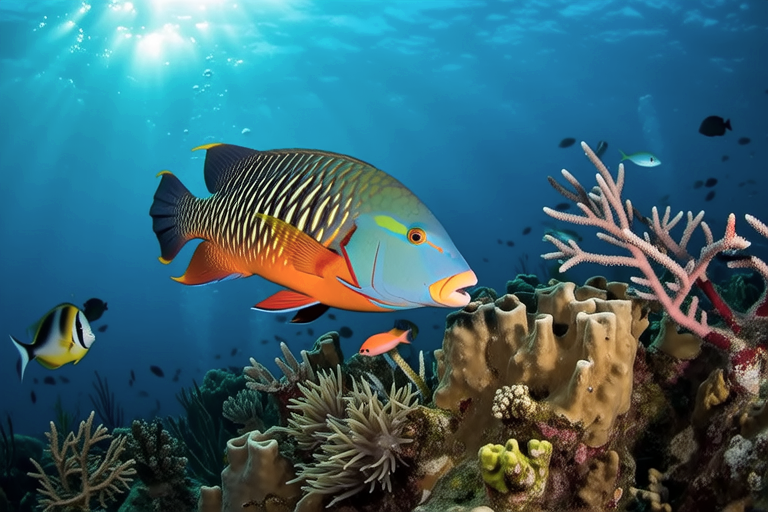
Parrot fish, belonging to the family Scaridae, are named for their beak-like mouths and bright, often iridescent colors that range from electric blue and neon green to fiery reds and oranges. Their teeth are fused into a beak-like structure, which they use to scrape algae off coral and rocks. This unique feature is complemented by their large, thick lips, giving them a distinct look that sets them apart from other fish species.
These fish are known for their elaborate courtship displays, which involve changing colors and forming intricate patterns. During mating, males create a nest in the sand, which they decorate with bits of coral and algae to attract a female. Once a pair is formed, the female lays her eggs in the nest, which the male then fertilizes.
Parrot fish are diurnal, meaning they are most active during the day. They spend their days grazing on algae and small organisms that grow on coral reefs, contributing to the overall health of these ecosystems. Their nocturnal activities include resting in protective mucus bubbles they secrete, which act as a barrier against predators and parasites.
The Role of Parrot Fish in Maintaining Coral Reef Health
One of the primary roles of parrot fish is controlling algae growth on coral reefs. As they feed on algae, they prevent it from overgrowing and smothering the coral. Overgrowth of algae can be detrimental to coral health, leading to coral bleaching and death. By keeping algae in check, parrot fish help maintain the delicate balance necessary for a healthy reef ecosystem.
In addition to their role in algae control, parrot fish contribute to reef regeneration. When they consume algae and coral, they excrete fine particles of sand, which accumulate on the ocean floor. This process, known as biogenic sediment production, is essential for maintaining the structural integrity of reefs. It ensures that the reefs remain stable and continue to support diverse marine life.
Parrot fish also serve as indicators of reef health. Their presence and abundance can reflect the overall condition of the reef ecosystem. Healthy parrot fish populations suggest a well-balanced and thriving reef environment, while declines in their numbers may indicate stress or damage to the reef.
The Impact of Environmental Changes on Parrot Fish Populations
Despite their critical role in maintaining coral reef health, parrot fish populations are facing numerous threats due to environmental changes. One of the most significant threats is overfishing. In many regions, parrot fish are heavily targeted for their meat and vibrant colors, leading to a decline in their numbers. This overexploitation disrupts the ecological balance of coral reefs, affecting not only parrot fish but also other marine species that depend on these ecosystems.
Climate change is another major challenge facing parrot fish. Rising sea temperatures and increased acidity levels are causing widespread coral bleaching events, which lead to the death of coral reefs. Without healthy reefs, parrot fish lose their primary habitat and food source, further exacerbating population declines.
Pollution, particularly from plastic waste and agricultural runoff, also poses a threat to parrot fish. Plastic debris can entangle and suffocate these fish, while pollutants can contaminate their food sources, leading to health problems and reduced reproductive success.
Conservation Efforts and the Importance of Protecting Parrot Fish
Recognizing the importance of parrot fish to coral reef health, various conservation efforts have been initiated to protect these vital fish. Marine protected areas (MPAs) have been established in several regions to provide safe havens for parrot fish and other marine species. These protected areas restrict fishing activities, allowing parrot fish populations to recover and thrive.
Education and awareness campaigns aim to inform local communities about the ecological importance of parrot fish and encourage sustainable fishing practices. By promoting responsible fishing and reducing the demand for parrot fish, these campaigns help ensure the long-term survival of these fish.
Research initiatives focus on understanding the complex interactions between parrot fish and their environment. Scientists study the impacts of climate change, pollution, and fishing on parrot fish populations, providing valuable insights that inform conservation strategies.
The importance of protecting parrot fish cannot be overstated. Their role in maintaining coral reef health is crucial for the overall health of our oceans. By safeguarding these colorful fish, we can help preserve the biodiversity and resilience of marine ecosystems, ensuring a healthier and more vibrant ocean for future generations.
Conclusion
From their striking appearance to their vital role in coral reef health, parrot fish are truly remarkable creatures that shape our oceans in profound ways. Their ability to control algae growth and contribute to reef regeneration underscores their significance in maintaining the delicate balance of marine ecosystems. However, environmental changes pose significant threats to parrot fish populations, highlighting the urgent need for conservation efforts. By protecting these colorful fish, we can ensure the continued health and beauty of our oceans, preserving a vibrant underwater world for generations to come.
