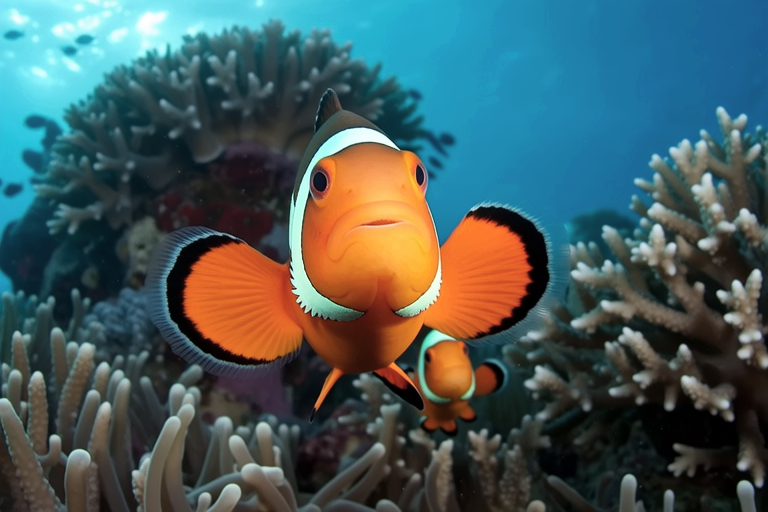
How Nemo Inspired Love for Clownfish Around the World
The release of Disney-Pixar’s animated film Finding Nemo in 2003 was a cultural phenomenon that captivated audiences of all ages. The story of a clownfish named Marlin searching for his son Nemo resonated deeply with viewers, sparking an unprecedented global interest in these colorful marine creatures. This article explores the profound impact of the movie on public perception, education, and conservation efforts related to clownfish.
The Fascination with Clownfish
Clownfish, scientifically known as Amphiprioninae, belong to the family Pomacentridae and are found in tropical coral reefs across the Indian and Pacific Oceans. These small, vibrant fish are known for their distinctive white stripes and orange bodies. Their unique relationship with sea anemones has long fascinated scientists and divers alike.
Sea anemones are stationary polyps that can be harmful to most fish due to their stinging tentacles. However, clownfish have developed a remarkable symbiotic relationship with these organisms. They secrete a protective mucus layer that shields them from the anemone’s toxins, allowing them to live among the tentacles for protection against predators. In return, clownfish help to attract prey for the anemone and keep it clean by eating dead tentacles and parasites.
The Impact of Finding Nemo
Finding Nemo brought clownfish into the spotlight, introducing millions of people to these fascinating creatures. The film’s portrayal of clownfish as intelligent, social animals helped dispel misconceptions and fostered a new appreciation for marine life. As a result, there was a noticeable increase in interest in aquariums featuring clownfish, both at home and in public settings.
The movie also inspired many individuals to pursue careers in marine biology, particularly those interested in studying clownfish and their habitats. Educational programs and workshops focused on marine ecosystems became more popular, providing opportunities for students and enthusiasts to learn about the complexities of underwater life.
Conservation Efforts and Educational Initiatives
In response to heightened awareness, various organizations launched campaigns aimed at protecting clownfish and their environments. One such initiative was the establishment of marine protected areas (MPAs) where fishing and other human activities are restricted. These sanctuaries provide safe havens for clownfish and other species, allowing populations to recover and thrive.
Additionally, educational programs were developed to teach children and adults about the importance of preserving coral reefs and the creatures that depend on them. Schools incorporated lessons on oceanography and marine biology into their curricula, encouraging students to explore potential career paths in these fields.
Real-World Examples
One notable example of increased aquarium interest following Finding Nemo is the rise in popularity of home aquariums featuring clownfish. Many hobbyists sought to recreate the movie’s iconic scenes by setting up tanks with clownfish and sea anemones. This trend led to advancements in aquarium technology and techniques for maintaining healthy marine ecosystems.
Several community projects emerged around the world, focusing on restoring damaged coral reefs and protecting existing ones. For instance, in Australia, volunteers worked alongside scientists to plant new coral colonies and monitor their growth. Similar initiatives took place in Southeast Asia, where local communities played active roles in conserving marine biodiversity.
Challenges and Future Directions
Despite the positive effects of Finding Nemo, challenges remain in ensuring the survival of clownfish and their habitats. Overfishing, climate change, and pollution continue to threaten coral reefs, which serve as crucial nurseries for clownfish. Addressing these issues requires sustained effort from governments, NGOs, and citizens globally.
Looking ahead, continued research into clownfish biology and ecology will be essential for developing effective conservation strategies. Advances in genetic sequencing and remote sensing technologies offer promising tools for monitoring population dynamics and identifying key threats.
Conclusion
The release of Finding Nemo marked a turning point in how people perceive and interact with marine life. By highlighting the beauty and complexity of clownfish and their relationships with sea anemones, the film激发了人们对小丑鱼的热爱,促进了保护和教育倡议。通过真实的例子,文章展示了电影如何影响水族馆的兴趣、海洋生物学的职业道路以及社区项目,这些项目旨在保护小丑鱼的栖息地。文章还讨论了面临的挑战和未来的方向,强调了持续研究的重要性。总之,《海底总动员》不仅是一部娱乐作品,也是一个重要的催化剂,激发了全球对小丑鱼及其生态系统的关注和保护。
