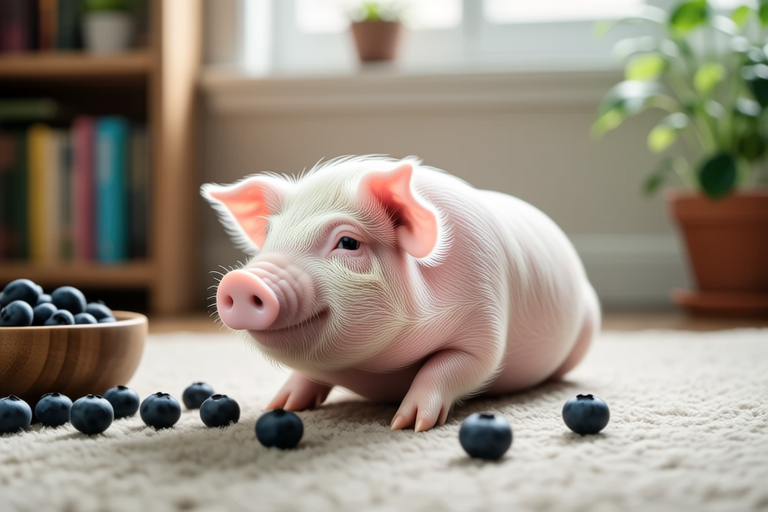
The Ultimate Guide to Living Large with Your Tiny Tailed Friend – Mini Pigs
Welcome to the wonderful world of mini pigs! These charming creatures are becoming increasingly popular as pets due to their intelligence, affectionate nature, and relatively small size compared to their larger counterparts. However, before you bring one home, it’s important to understand their unique characteristics, needs, and how to integrate them into your family life successfully.
Unique Characteristics of Mini Pigs
Mini pigs are fascinating animals with distinct traits that set them apart from other pets. They are highly intelligent, capable of learning tricks and commands, and can even be trained to use a litter box. Their curiosity and playful nature make them delightful companions. Despite their name, mini pigs come in various sizes, so it’s crucial to research breed-specific information to determine what size your chosen pet might grow to.
Dietary Needs
Feeding your mini pig correctly is vital for their health and well-being. Mini pigs are omnivores, meaning they eat both plants and animals. A balanced diet should consist of high-quality commercial pig feed, fresh vegetables, fruits, and limited amounts of grains. Avoid feeding them processed human foods or excessive treats, as this can lead to obesity and related health problems. Always consult with a veterinarian specializing in exotic pets to tailor a diet plan specific to your pig’s age, weight, and activity level.
Housing Requirements
Adequate housing is essential for your mini pig’s comfort and safety. While they enjoy outdoor time, they need a secure indoor space to retreat to when necessary. This area should be spacious enough to allow movement and include a comfortable sleeping area, toys, and enrichment items. Ensure the environment is free from drafts and extreme temperatures, as mini pigs are sensitive to cold weather. Providing a soft bedding material like straw or wood shavings can also help keep them cozy.
Grooming Tips
Maintaining good hygiene is key to keeping your mini pig healthy and happy. Regular brushing helps remove loose hair and prevents matting. Bathing should be done sparingly, usually only when necessary, as frequent bathing can strip natural oils from their skin. Trimming nails regularly is important to prevent overgrowth and discomfort. Additionally, cleaning ears and checking for signs of infection or irritation should be part of your routine care.
Exercise Recommendations
Regular physical activity is crucial for maintaining your mini pig’s overall health. Encourage exercise by providing opportunities for exploration and play. Create an obstacle course using safe materials or incorporate interactive toys designed for pigs. Supervised outdoor playtime in a secure area allows them to experience new environments and engage in natural behaviors. Always supervise your pig during outdoor activities to ensure their safety.
Common Health Issues
Like any animal, mini pigs can face various health challenges. Obesity is one of the most prevalent issues, often resulting from improper diet and lack of exercise. Other common concerns include dental problems, respiratory infections, and skin conditions. Regular veterinary check-ups are essential for early detection and treatment of these issues. Vaccinations against diseases such as leptospirosis and parvovirus are recommended to protect your pig from potentially serious illnesses.
Training Techniques
Training your mini pig not only strengthens the bond between you but also teaches them acceptable behaviors. Positive reinforcement methods, such as clicker training or rewarding desired actions with treats, work best. Start with simple commands like ‘sit’ or ‘come’ and gradually introduce more complex tasks. Consistency and patience are key elements in successful training. Remember that each pig has its own personality and may require individualized approaches.
Advice on Integrating Them Into Family Life
Welcoming a mini pig into your household requires careful planning to ensure everyone adjusts smoothly. Introduce your new pet gradually, allowing time for acclimation. Establish clear boundaries and rules regarding where the pig can go and what behaviors are acceptable. Involve all family members in caring for the pig to foster responsibility and respect towards the animal. Creating a routine that includes feeding times, play sessions, and grooming helps establish predictability and security for your pig.
Practical Tips for First-Time Owners
Becoming a mini pig owner involves learning many aspects of their care. Here are some practical tips to ease the transition:
- Research thoroughly: Understand the commitment involved in owning a mini pig, including financial considerations and time investment.
- Prepare adequately: Set up a suitable living space before bringing your pig home.
- Seek professional guidance: Consult veterinarians and experienced owners for advice tailored to your situation.
- Be patient: Allow yourself and your pig time to adjust to each other.
Addressing Myths About Mini Pig Care
Several misconceptions surround mini pig ownership:
- Myth: All mini pigs stay tiny. Reality: Mini pigs vary widely in size, ranging from 30 pounds to over 200 pounds depending on breed.
- Myth: They don’t need much space. Reality: Even though smaller than standard breeds, mini pigs still require ample room to move around comfortably.
- Myth: Feeding table scraps is fine. Reality: Human food can disrupt nutritional balance and contribute to obesity.
In conclusion, adopting a mini pig is a significant decision that brings joy and companionship. By understanding their unique needs and providing proper care, you can ensure a fulfilling relationship with your tiny-tailed friend. Embrace the adventure of living large with your mini pig, and enjoy the many rewards this remarkable animal offers.
