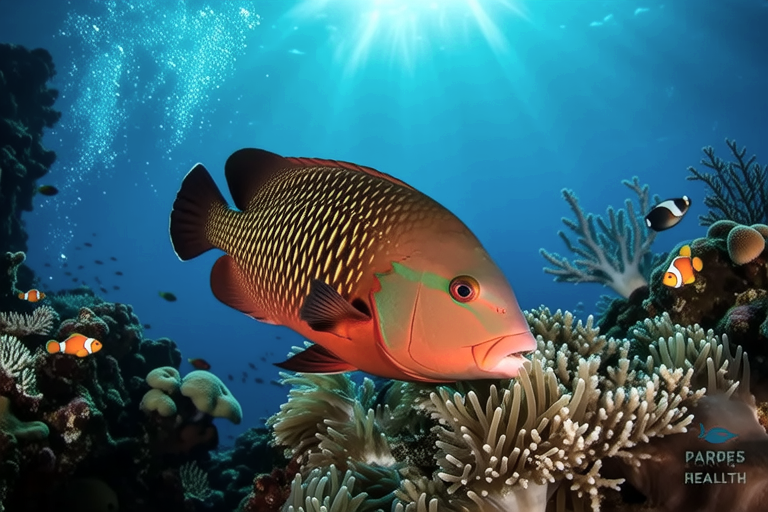
How Parrot Fish Are Shaping Coral Reefs and Saving Oceans
In the vast expanse of the world’s oceans, one might easily overlook the colorful, vibrant creatures that inhabit the coral reefs. Among these, parrot fish stand out as not only visually striking but also crucial to the survival of marine ecosystems. These fish, named for their beak-like mouths and often bright hues, play a vital role in maintaining the health of coral reefs. Their unique feeding habits and symbiotic relationship with coral reefs are reshaping our understanding of ocean conservation.
The Role of Parrot Fish in Marine Ecosystems
Parrot fish are found in tropical and subtropical waters around the globe. They belong to the family Scaridae and are known for their diverse array of colors, ranging from deep blues and greens to vivid pinks and yellows. These fish are not just beautiful; they are also essential to the marine environment. One of their most notable characteristics is their diet, which primarily consists of algae that grow on coral reefs. By consuming these algae, parrot fish help keep the reefs clean and healthy.
Unique Feeding Habits: Algae Consumption and Coral Growth
The feeding habits of parrot fish are both fascinating and functional. Using their strong beaks, they scrape away at the surface of corals, removing algae that could otherwise smother and kill the coral polyps. This process, known as bioerosion, is crucial for the health of coral reefs. It not only clears away harmful algae but also helps in the recycling of calcium carbonate, a key component in coral formation. By doing so, parrot fish contribute to the continuous growth and maintenance of coral structures.
Scientific studies have shown that without the presence of parrot fish, algae can quickly take over coral reefs, leading to what is known as phase shifts. These shifts occur when algae dominate the reef ecosystem, pushing out coral species and reducing overall biodiversity. A study published in the journal Ecology Letters demonstrated that areas with higher parrot fish populations had significantly healthier coral reefs compared to those where parrot fish were scarce.
Symbiotic Relationship: Maintaining Ecological Balance
The relationship between parrot fish and coral reefs is symbiotic, benefiting both parties. While parrot fish rely on the reefs for food and shelter, the reefs depend on the fish to prevent algae overgrowth. This mutual dependency creates an intricate balance within the ecosystem. Parrot fish not only clear away algae but also produce sand through their digestion process. As they digest the algae-covered coral, their waste becomes fine particles of sand that contribute to the formation of beaches and islands. This process is vital for coastal protection and the maintenance of marine habitats.
Moreover, the presence of parrot fish enhances the resilience of coral reefs against environmental stressors such as climate change and pollution. By keeping the reefs healthy, parrot fish help mitigate the impacts of rising sea temperatures and acidification. Their contribution to the ecological balance ensures that coral reefs can better withstand and recover from disturbances.
Data Supporting Reef Health and Ocean Conservation
Research has provided compelling evidence of the positive impact parrot fish have on reef health. A study conducted by the University of California, Santa Barbara, found that reefs with abundant parrot fish populations experienced lower rates of coral disease and bleaching. The study concluded that maintaining healthy parrot fish populations is crucial for preserving coral reefs and the biodiversity they support.
Additionally, the global significance of parrot fish cannot be overstated. Coral reefs cover less than 1% of the ocean floor but are home to about 25% of all marine species. Protecting these ecosystems is vital for the survival of countless species and the livelihoods of millions of people who depend on them for food and income. By ensuring the health of parrot fish populations, we are safeguarding the future of coral reefs and the oceans they inhabit.
Broader Implications for Ocean Biodiversity
The broader implications of the relationship between parrot fish and coral reefs extend beyond the immediate benefits to the marine environment. Healthy coral reefs act as nurseries for many fish species, providing shelter and breeding grounds. When reefs are in good condition, they support a greater diversity of marine life, contributing to the overall health of the ocean. This biodiversity is essential for maintaining the balance of marine ecosystems and ensuring the sustainability of fishing industries.
Furthermore, the protection of parrot fish populations has wider implications for global ocean conservation efforts. Recognizing the critical role these fish play in maintaining coral reefs can lead to more targeted conservation strategies. Efforts to protect parrot fish may include establishing marine protected areas, regulating fishing practices, and raising awareness about the importance of marine biodiversity.
The Importance of Protecting Parrot Fish Globally
The need to protect parrot fish populations globally is urgent. Overfishing and habitat destruction pose significant threats to these vital marine creatures. Without intervention, parrot fish populations could decline, leading to the degradation of coral reefs and the loss of marine biodiversity. Governments, conservation organizations, and individuals must work together to implement measures that ensure the long-term survival of parrot fish.
One effective approach is the establishment of marine protected areas (MPAs) where fishing and other extractive activities are restricted. MPAs provide safe havens for parrot fish to thrive, allowing their populations to recover and expand. Additionally, sustainable fishing practices, such as limiting the catch size and implementing fishing quotas, can help prevent overfishing. Public education campaigns can also raise awareness about the importance of parrot fish and encourage responsible behavior.
In conclusion, parrot fish are more than just colorful inhabitants of coral reefs; they are essential to the health and survival of these ecosystems. Their unique feeding habits and symbiotic relationship with coral reefs highlight the intricate balance of marine life. By protecting parrot fish populations, we are not only preserving the beauty of coral reefs but also safeguarding the future of the oceans and the countless species that depend on them. The time to act is now, as the fate of our oceans and the life within them rests in our hands.
