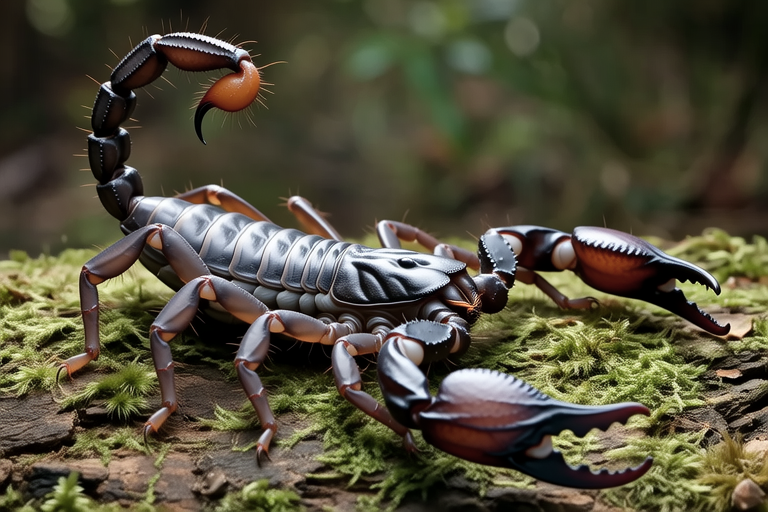
Heterometrus Spinifer: The Giant Forest Scorpion
The Heterometrus spinifer, commonly known as the giant forest scorpion, is one of the most fascinating creatures in the animal kingdom. This scorpion, native to Southeast Asia, particularly in countries like Thailand, Malaysia, and Indonesia, is renowned for its impressive size and unique physical attributes. With a body length that can exceed 15 centimeters, it stands out among its smaller relatives. In this article, we will explore the distinct characteristics, habitat, feeding habits, defense mechanisms, and ecological role of the Heterometrus spinifer. Additionally, we will address common myths and misconceptions surrounding this species, providing scientific clarity. Finally, we will discuss the conservation status and threats faced by these remarkable arachnids.
Physical Characteristics
The Heterometrus spinifer boasts a robust exoskeleton that provides excellent protection against predators. Its body is segmented into three main parts: the prosoma (head), mesosoma (abdomen), and metasoma (tail). The prosoma houses the sensory organs, including large compound eyes and two pedipalps used for grasping prey. The mesosoma consists of seven segments, each equipped with a pair of spiracles for respiration. The metasoma, which houses the venomous stinger, is particularly long and slender, allowing the scorpion to reach far beyond its body to defend itself or capture prey.
One of the most striking features of the Heterometrus spinifer is its coloration. Typically, they exhibit a dark brown or black hue, which serves as effective camouflage in their forested habitats. However, some individuals may display lighter shades of brown or even a reddish tint. Their legs are covered in small spines, which help them grip onto surfaces and navigate through the dense undergrowth of their environment.
Compared to other scorpion species, such as the Emperor scorpion (Pandinus imperator) from Africa, the Heterometrus spinifer is significantly larger. While the Emperor scorpion rarely exceeds 8 centimeters in length, the giant forest scorpion can grow up to twice that size. Another notable difference is the shape of their claws; the Emperor scorpion has shorter, more robust pincers designed for crushing prey, whereas the Heterometrus spinifer has longer, more delicate claws better suited for grasping and holding onto prey.
Habitat and Distribution
The Heterometrus spinifer thrives in the lush, humid environments of tropical and subtropical forests. They are often found in areas with dense vegetation, fallen logs, and leaf litter, where they can hide from potential predators and hunt for food. These scorpions are primarily nocturnal, spending their days in burrows or crevices and emerging at night to forage.
Within their natural habitat, the giant forest scorpion plays a crucial role in maintaining the balance of ecosystems. As both predator and prey, they contribute to the regulation of insect populations and serve as a vital food source for various animals, including birds, reptiles, and mammals. Their presence in these ecosystems underscores the importance of preserving the integrity of their habitats.
Feeding Habits
The diet of the Heterometrus spinifer consists mainly of insects, spiders, and other small invertebrates. They are opportunistic feeders, meaning they will take advantage of whatever prey is available in their environment. Using their powerful pincers, they grasp and immobilize their victims before injecting them with venom through their stinger. This venom contains neurotoxins that paralyze the prey, making it easier for the scorpion to consume.
Interestingly, while the venom of the Heterometrus spinifer is potent enough to subdue its prey, it is generally not lethal to humans. In fact, most scorpion stings experienced by people result in localized pain, swelling, and redness but rarely cause severe health issues. However, it’s important to note that individual reactions can vary, and anyone experiencing symptoms after being stung should seek medical attention if necessary.
Defense Mechanisms
When threatened, the Heterometrus spinifer employs several defense mechanisms to deter predators. One of the most common tactics is the use of their intimidating appearance. Their large size and menacing posture can often be enough to discourage potential attackers. If this fails, they may raise their tail and stinger, ready to strike. Additionally, they can produce a hissing sound by rubbing their legs together, further alarming would-be predators.
In comparison to other scorpion species, such as the bark scorpion (Centruroides sculpturatus) found in the southwestern United States, the Heterometrus spinifer has a less potent venom. While the bark scorpion’s venom can cause severe pain and potentially life-threatening complications in humans, the giant forest scorpion’s venom is relatively mild. This difference highlights the varying levels of toxicity across different scorpion species and emphasizes the need for caution when encountering any scorpion, regardless of its size.
Myths and Misconceptions
Despite their reputation as dangerous creatures, many myths surround the Heterometrus spinifer. One common misconception is that all scorpions are highly venomous and pose a significant threat to humans. While it’s true that some scorpion species, like the deathstalker scorpion (), can be deadly, the vast majority of scorpions, including the giant forest scorpion, have venom that is not harmful to humans. In fact, many scorpion species play important roles in their ecosystems and contribute positively to human well-being by controlling insect populations.
Another myth is that scorpions glow under ultraviolet light. While it’s true that some scorpion species do fluoresce, this phenomenon is not universal. The fluorescence occurs due to the presence of certain pigments in their exoskeletons and serves as a means of communication or possibly as a way to regulate body temperature. It’s essential to approach scorpions with respect and understanding rather than fear, recognizing their critical role in maintaining ecological balance.
Role in the Ecosystem
The Heterometrus spinifer plays a vital role in its ecosystem as both a predator and prey. By preying on insects and other small invertebrates, they help control pest populations and prevent overgrazing of plants. Conversely, as prey for larger animals, they form part of the food chain, supporting the survival of numerous species. Their presence in tropical and subtropical forests underscores the importance of protecting these habitats to ensure the continued existence of this remarkable species.
Moreover, the Heterometrus spinifer contributes to soil health through their burrowing activities. By creating tunnels and channels underground, they improve water infiltration and nutrient cycling, promoting healthier plant growth. This interdependence between the scorpion and its environment highlights the intricate relationships within ecosystems and the potential consequences of habitat destruction.
Conservation Efforts and Threats
Unfortunately, the Heterometrus spinifer faces numerous threats that jeopardize its survival. Habitat destruction due to deforestation, agricultural expansion, and urbanization poses the greatest danger to these scorpions. As forests are cleared for development, the scorpions lose their homes and sources of food, leading to population declines. Additionally, climate change could alter the availability of suitable habitats, further exacerbating the situation.
To combat these challenges, various conservation initiatives have been established. Organizations such as the Wildlife Conservation Society and the World Wildlife Fund work tirelessly to protect scorpion habitats and promote sustainable land-use practices. Education campaigns aim to raise awareness about the importance of preserving these ecosystems and encourage responsible behavior towards wildlife. Furthermore, research efforts focus on understanding the biology and ecology of the Heterometrus spinifer to inform conservation strategies.
In conclusion, the Heterometrus spinifer is a remarkable species with unique physical characteristics, intriguing behaviors, and an essential role in its ecosystem. By addressing misconceptions and promoting conservation efforts, we can ensure the continued existence of these fascinating creatures for future generations to appreciate. Let us strive to protect the habitats of the giant forest scorpion and other wildlife, recognizing the interconnectedness of all living things and the responsibility we share in safeguarding our planet’s biodiversity.
