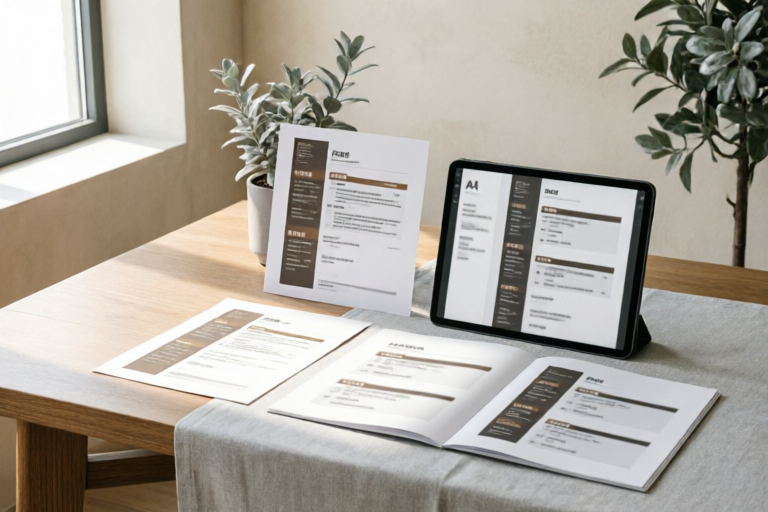
Top Resume Templates for Entry-Level Positions
Craft the Perfect Resume for Your First Job
Introduction to Entry-Level Resume Templates
Welcome to our comprehensive guide on crafting the perfect resume for entry-level positions. Whether you're fresh out of college or transitioning into a new field, having a well-crafted resume is crucial in landing your first job. In this article, we will explore the definition of entry-level positions, the importance of a well-written resume, and introduce you to some of the top resume templates available.
Definition of Entry-Level Positions
Entry-level positions are typically the first jobs individuals secure after completing their education or training. These roles are designed for those who have little to no professional experience in the industry. They offer a great opportunity to gain practical skills, build a professional network, and lay the foundation for a successful career.
Importance of a Well-Crafted Resume
Your resume is often the first impression you make on potential employers. It serves as a concise summary of your qualifications, experiences, and skills. A well-crafted resume can significantly increase your chances of securing an interview and ultimately landing the job. It not only showcases your capabilities but also demonstrates your attention to detail and professionalism.
Overview of the Top Resume Templates Discussed
In this article, we will delve into several top resume templates specifically designed for entry-level positions. These templates cater to various industries, ensuring that you find one that suits your needs. We will discuss the essential elements of an effective resume, provide tips on customization, and highlight common mistakes to avoid.
Key Elements of an Effective Entry-Level Resume
An effective entry-level resume should be clear, concise, and tailored to the job you're applying for. Below are the key elements that should be included:
Essential Sections
- Contact Information: Provide your name, phone number, email address, and LinkedIn profile link.
- Summary/Objective: Briefly describe your career goals and what you bring to the table.
- Education: List your degrees, certifications, and any relevant coursework.
- Skills: Highlight both hard and soft skills that are relevant to the position.
Highlighting Relevant Experience and Achievements
If you have any previous work experience, internships, or volunteer activities, make sure to include them. Even if they aren't directly related to the job, they can demonstrate your ability to handle responsibilities and work effectively in a team. Use bullet points to clearly outline your duties and accomplishments.
Tips for Formatting and Design
When it comes to formatting and design, simplicity is key. Choose a clean layout with easy-to-read fonts and consistent spacing. Use bold and italic text sparingly to emphasize important details. Keep your resume to one page unless you have extensive experience.
Best Resume Templates for Various Entry-Level Fields
The type of resume you choose should align with the industry you're entering. Here are some of the best resume templates for various entry-level fields:
Technology Sector
- Software Development: Emphasize your programming languages, software tools, and any relevant projects.
- IT Support: Highlight your troubleshooting skills, customer service experience, and technical knowledge.
Business and Finance
- Accounting: Focus on your financial analysis skills, accounting software proficiency, and any certifications.
- Marketing: Showcase your creativity, digital marketing skills, and experience with social media platforms.
Healthcare
- Nursing Assistant: Include your patient care experience, CPR certification, and any relevant courses.
- Medical Records Clerk: Highlight your organizational skills, familiarity with electronic health records systems, and attention to detail.
Creative Industries
- Graphic Design: Incorporate a portfolio section showcasing your design projects and creative works.
- Content Writing: Provide samples of your writing and highlight your communication skills.
How to Customize Your Resume Template
While using a resume template can save time and ensure consistency, it's important to tailor your resume to each specific job description. Here are some tips for customizing your resume:
Tailoring Content to Fit Specific Job Descriptions
Review the job posting carefully and identify the key skills and qualifications the employer is seeking. Adjust your resume accordingly by highlighting relevant experiences and achievements. Use keywords from the job posting to improve the chances of your resume being selected by automated applicant tracking systems (ATS).
Using Keywords from Job Postings
Many companies use ATS to filter resumes based on specific keywords. Incorporating these keywords naturally into your resume can help ensure that your application is noticed. However, avoid overloading your resume with irrelevant keywords just for the sake of passing through the system.
Adding Personal Touches While Maintaining Professionalism
While it's important to maintain a professional tone, adding a personal touch can help you stand out. This could be through a brief introduction that highlights your passion for the industry or a section that showcases your unique strengths. Just make sure that any personal touches are relevant and appropriate for the position.
Common Mistakes to Avoid When Using Resume Templates
Even when using a resume template, there are several common mistakes that can hinder your job search. Here are a few to watch out for:
Overloading with Unnecessary Information
Aim for clarity and conciseness. Including too much irrelevant information can overwhelm hiring managers and detract from your key qualifications. Stick to the most relevant experiences and skills.
Failing to Proofread for Errors
Errors in grammar, spelling, or punctuation can reflect poorly on your attention to detail. Always proofread your resume multiple times or ask someone else to review it for you.
Not Adapting the Template to Suit Different Types of Jobs
One size does not fit all when it comes to resumes. Be flexible and adapt your template to suit the specific requirements of each job you apply for. This may involve rearranging sections or highlighting different aspects of your experience.
Conclusion and Final Recommendations
In conclusion, choosing the right resume template and tailoring it to your needs can greatly enhance your chances of landing an entry-level position. Remember to focus on the key elements of an effective resume, customize your template for each job, and avoid common mistakes. Experiment with different templates until you find the one that best represents your qualifications and resonates with potential employers.
For further learning about resume writing and career development, consider exploring online resources, attending workshops, or consulting with a career coach. The more effort you put into refining your resume, the better prepared you'll be for success in your job search.
Comments

For creatives, could you suggest some ways to showcase portfolios within the template?

Saved this template for later use. Thanks for the detailed breakdown!

As an HR person, I appreciate the emphasis on tailoring resumes. It makes a huge difference.

For the tech sector, maybe add some tips on how to include coding languages or software proficiency?
This is great! I customized it a bit for my marketing role and got some really positive feedback.

Really helpful guide. I was wondering if anyone knows how to adjust the template for internships?

Used this and it worked! Got my first interview with a tech company thanks to this template.