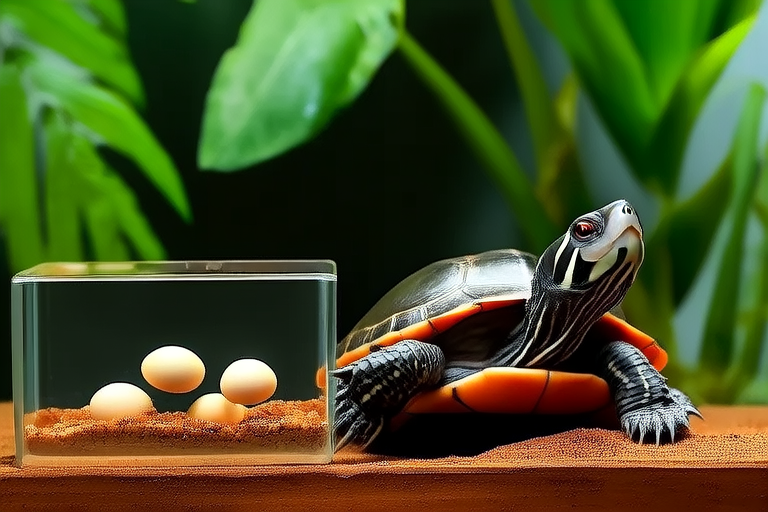
From Egg to Adult: The Life Journey of a Red-Eared Slider
The red-eared slider (Trachemys scripta elegans) is one of the most popular pet turtles in the world. This article delves into the life journey of this species, from its breeding habits and egg-laying process to adulthood. It provides valuable insights for both novice and experienced reptile owners.
Breeding Habits and Egg-Laying Process
Red-eared sliders are sexually mature at around 3 to 5 years of age, depending on their environment and diet. Mating typically occurs between April and June, although it can happen anytime water temperatures are warm enough. Male red-eared sliders have long front claws used for attracting females during courtship.
After mating, female red-eared sliders look for suitable nesting sites. They prefer sandy or loose soil near bodies of water, where they can dig a hole about 4 to 6 inches deep. The female will lay between 4 to 20 eggs, depending on her size and age. She then covers the nest with dirt and leaves the eggs to develop without further intervention.
Incubation Period and Factors Affecting Hatching
The incubation period for red-eared slider eggs ranges from 55 to 90 days, depending on temperature and humidity. Higher temperatures speed up development, while cooler conditions slow it down. Ideal incubation temperatures range from 27°C to 30°C (80°F to 86°F). Maintaining consistent temperatures and humidity levels is crucial for successful hatching.
Temperature-dependent sex determination (TSD) affects the sex of red-eared slider hatchlings. Warmer temperatures produce more males, while cooler temperatures result in more females. Incubation humidity should be kept around 70%, which helps prevent the eggs from drying out.
Early Life Stages: Hatchling Characteristics, Diet, and Growth Patterns
Upon hatching, red-eared slider hatchlings are tiny, measuring approximately 1 inch in length. Their shells are soft and pliable, providing protection but still vulnerable to predators. These hatchlings are equipped with an egg tooth, a small, sharp projection on their upper jaw, which aids in breaking through the eggshell.
Hatchlings are omnivorous, consuming a variety of foods including insects, snails, and aquatic plants. As they grow, their diet shifts towards a more herbivorous lifestyle. In captivity, hatchlings should be fed a balanced diet consisting of commercial turtle pellets, fresh vegetables, and occasional live prey like crickets or mealworms.
Growth rates vary based on genetics, nutrition, and environmental conditions. On average, red-eared sliders grow about 1 inch per year during their first few years of life. Proper nutrition is essential for healthy growth, so it’s important to provide a varied diet rich in vitamins and minerals.
Juvenile Stage: Development, Dietary Needs, and Environmental Requirements
As red-eared sliders enter the juvenile stage, they continue to grow rapidly. Juveniles exhibit rapid shell growth and increased activity levels as they explore their surroundings. By this time, their shells have hardened, offering better protection against potential threats.
Dietary needs change during this stage. Juveniles require a higher protein intake compared to adults, with a mix of commercial pellets, leafy greens, and occasional meat-based treats such as earthworms or bloodworms. Ensuring a balanced diet supports proper bone and muscle development.
Juvenile red-eared sliders thrive in environments that mimic their natural habitats. A spacious aquarium or outdoor pond with ample space for swimming and basking is ideal. Water quality must be maintained through regular filtration and water changes. Basking areas should be provided to allow juveniles to dry off and regulate their body temperature.
Adulthood: Physical Traits, Lifespan, Habitat Preferences, and Common Health Issues
Adult red-eared sliders reach full size after about 10 to 15 years, with females generally larger than males. Adults can weigh up to 5 pounds and measure over 12 inches in length. Their carapace becomes dark green with yellow stripes, while their skin turns olive-green with distinctive red patches behind each eye.
The average lifespan of a red-eared slider in captivity is around 20 to 30 years, though some individuals may live longer with optimal care. In the wild, their lifespan is shorter due to predation and environmental challenges.
Adult red-eared sliders prefer calm, shallow waters with plenty of vegetation for hiding and feeding. They are highly adaptable and can survive in various climates, from temperate to tropical regions. However, they require specific environmental conditions to thrive, including clean water, appropriate temperatures, and sufficient space.
Common health issues among adult red-eared sliders include shell rot, respiratory infections, and vitamin deficiencies. Regular veterinary check-ups and a balanced diet can help prevent these problems. Owners should also monitor water quality and ensure proper hygiene to maintain their pets’ health.
In conclusion, understanding the life journey of a red-eared slider from egg to adult is crucial for responsible ownership. Providing appropriate care at each stage ensures these fascinating creatures lead healthy, fulfilling lives. Whether you’re a novice or experienced reptile owner, following the guidelines outlined here will contribute to your pet’s well-being and longevity.
