Ocean Oddities: The Fascinating Story of Pea Crabs
Welcome to the wondrous world of marine life, where each creature tells a tale as old as time itself. Today, we dive into the depths of the ocean to uncover one of its most peculiar inhabitants – the pea crab. These tiny crustaceans have captured the hearts of marine biologists and ocean enthusiasts alike with their unique life cycle, habitat, and symbiotic relationships. Join us on a journey through the fascinating story of pea crabs.
Meet the Pea Crab: A Tiny Marvel of Nature
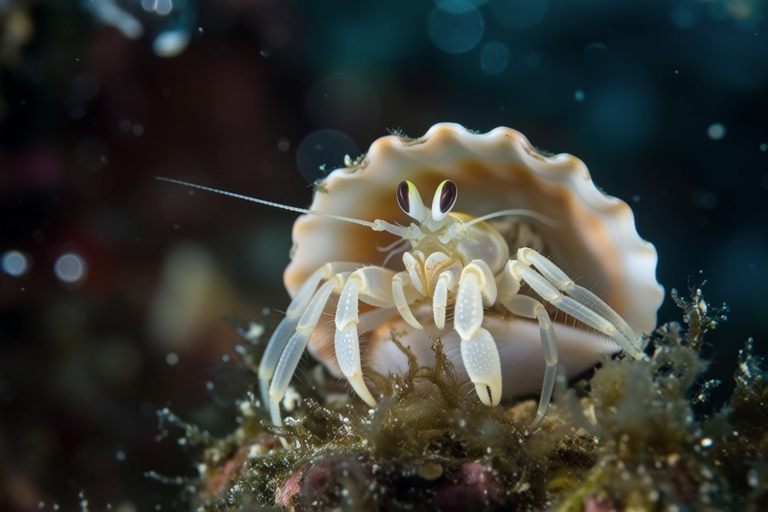
The pea crab (Pinnotheres ostreum) is a true gem of the ocean, measuring no more than a centimeter in length. Despite their diminutive size, these crabs are anything but insignificant. They belong to the family Pinnotheridae and can be found in various parts of the world, from the warm waters of the Mediterranean to the chilly shores of Alaska. Their small stature makes them easily overlooked by casual beachcombers, but for those who take the time to look closer, the pea crab reveals itself as a master of survival and adaptation.
Pea crabs are not only tiny but also incredibly resilient. They come in a variety of colors, ranging from pale white to brownish-red, depending on their environment. This color variation helps them blend seamlessly into their surroundings, making them nearly invisible to predators. Their bodies are soft and pliable, allowing them to squeeze into tight spaces and find refuge in the nooks and crannies of their hosts.
A Unique Life Cycle: From Egg to Adult
The life cycle of the pea crab is as intricate as it is fascinating. It begins when the female pea crab lays her eggs in a specially designed brood pouch on her abdomen. Here, she carefully nurtures her eggs until they hatch into tiny larvae known as zoeae. These microscopic creatures drift through the water column, feeding on plankton and avoiding larger predators. As they grow, they undergo several molts, shedding their exoskeletons to accommodate their expanding bodies.
Once they reach their final larval stage, the megalopa, they search for a suitable host. This is a critical moment in the pea crab’s life cycle, as finding the right host can mean the difference between life and death. Once attached to a host, the megalopa molts one last time, transforming into a juvenile pea crab. From this point on, the crab will spend the rest of its life living inside its host, benefiting from the protection and resources it provides.
Habitat: Home Sweet Host
Pea crabs are not picky about where they live, as long as they have a host that suits their needs. Their preferred hosts include bivalves such as oysters, mussels, and scallops, as well as echinoderms like sea cucumbers and starfish. These hosts provide the pea crabs with shelter, food, and protection from predators. In return, the pea crabs offer their hosts some form of benefit, often in the form of cleaning or defense against parasites.
One of the most intriguing aspects of pea crabs’ habitat is their ability to coexist with their hosts without causing harm. They have adapted to live in harmony with their hosts, ensuring that both parties benefit from the relationship. For instance, pea crabs that live inside sea cucumbers help clean their hosts by removing debris and parasites from their bodies. In return, the sea cucumber provides the pea crabs with a safe haven and a steady supply of food.
Symbiosis: A Partnership for Survival
The relationship between pea crabs and their hosts is a classic example of mutualism, where both parties benefit from the interaction. This symbiotic relationship is crucial for the survival of both the pea crabs and their hosts. Without their hosts, pea crabs would struggle to find food and protection, while their hosts would be more vulnerable to parasites and other threats.
Pea crabs that live inside barnacles, for example, play a vital role in maintaining the health of their hosts. They feed on the bacteria and algae that accumulate inside the barnacle’s shell, helping to keep it clean and free from harmful growths. In return, the barnacle provides the pea crab with a secure home and access to nutrients. This mutually beneficial relationship has evolved over millions of years, resulting in a finely tuned system of cooperation between the two species.
Diet: Feasting on the Ocean’s Bounty
The diet of pea crabs is as varied as their hosts. Depending on their location and the availability of food, pea crabs may feed on a range of items, including plankton, detritus, and the tissues of their hosts. Some species of pea crabs are even known to feed on the gametes of their hosts, which can have significant implications for the reproductive success of the host species.
For instance, pea crabs that live inside oysters have been observed feeding on the oysters’ eggs and sperm. While this might seem detrimental to the oysters, the relationship between the two species has evolved to a point where the oysters can withstand this level of predation. In fact, some studies suggest that the presence of pea crabs may actually improve the overall health of the oyster population by controlling the growth of harmful bacteria and parasites.
Ecological Significance: A Crucial Role in Marine Ecosystems
Despite their small size, pea crabs play a crucial role in marine ecosystems. By acting as cleaners and defenders, they help maintain the health of their hosts and contribute to the overall balance of the ecosystem. Their presence can also influence the behavior and distribution of their hosts, leading to changes in the structure of the ecosystem.
In addition to their direct interactions with their hosts, pea crabs may also serve as a food source for larger predators. Their abundance in certain areas can attract fish and other marine animals, contributing to the diversity of the ecosystem. Furthermore, pea crabs can act as indicators of environmental health, as changes in their populations can signal shifts in the broader ecosystem.
Threats to Pea Crabs: Navigating the Challenges of Survival
Like many marine species, pea crabs face numerous threats in their natural habitats. One of the most significant challenges they face is the degradation of their habitats due to human activities. Pollution, overfishing, and climate change all contribute to the decline of the ecosystems that pea crabs depend on for survival. As their hosts become less abundant or healthy, pea crabs find it increasingly difficult to find suitable homes and food sources.
Another threat to pea crabs is the introduction of non-native species into their habitats. These invasive species can outcompete native species for resources, leading to a decline in the populations of pea crabs’ preferred hosts. In some cases, invasive species may also prey directly on pea crabs, further reducing their numbers.
The Future of Pea Crabs: Hope for Conservation
Despite the challenges they face, there is hope for the future of pea crabs. Many organizations and individuals are working tirelessly to protect and conserve marine ecosystems, recognizing the importance of these tiny creatures in maintaining the balance of the ocean. By promoting sustainable fishing practices, reducing pollution, and protecting habitats, we can help ensure the survival of pea crabs and the ecosystems they call home.
Efforts to raise awareness about the importance of pea crabs and their role in marine ecosystems are also crucial. By educating people about the wonders of the ocean and the creatures that inhabit it, we can inspire a new generation of conservationists and marine biologists. Together, we can work towards a future where pea crabs continue to thrive in their natural habitats, contributing to the richness and diversity of the ocean.
Conclusion: Celebrating the Wonders of the Ocean
The story of pea crabs is a testament to the incredible diversity and adaptability of marine life. From their unique life cycle to their symbiotic relationships with their hosts, these tiny crabs have much to teach us about survival and cooperation. As we continue to explore the mysteries of the ocean, let us remember the importance of protecting these delicate ecosystems and the creatures that call them home.
So the next time you’re at the beach, take a moment to appreciate the wonders of the ocean. Who knows? You might just spot a tiny pea crab, living out its remarkable life in the nooks and crannies of its host. And if you do, take a moment to marvel at the beauty of nature and the incredible adaptations that allow these creatures to thrive in their underwater world.
