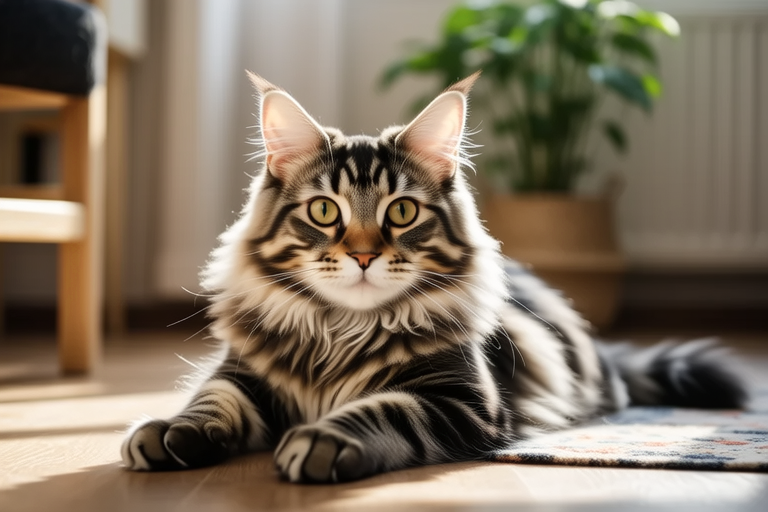
Life with a Munchkin: A Unique Pet Experience
Welcome to the world of Munchkin cats, a breed that has captured the hearts of many pet lovers with its distinct physical characteristics and charming personality. These felines are known for their short legs, which give them a unique appearance and impact their movement and playfulness. In this article, we will explore the distinctive features of Munchkin cats, their playful and affectionate nature, and how their shorter legs influence their interactions with their environment. We’ll also provide tips for potential owners on how to provide the right care, space, and activities to ensure a happy life for these unique pets. Additionally, we’ll discuss common health concerns specific to Munchkins and share personal anecdotes to illustrate the joys and challenges of living with a Munchkin cat.
Distinctive Physical Traits of Munchkin Cats
The most striking feature of Munchkin cats is their unusually short legs. This trait is caused by a genetic mutation that affects the long bones in their legs, making them significantly shorter than those of other breeds. Despite their diminutive stature, Munchkins are otherwise healthy and have no other physical deformities. They come in a variety of coat colors and patterns, including tabby, tortoiseshell, and calico. Their coats can be either short or long, depending on the type of Munchkin cat. The long-haired variety is often referred to as the “Kangaroo” Munchkin due to its fluffy appearance.
Playful and Affectionate Nature
Munchkin cats are known for their playful and affectionate nature. They are curious and enjoy exploring their surroundings, often finding creative ways to reach high places. Despite their short legs, Munchkins are surprisingly agile and can jump and climb just like any other cat. Their playful nature makes them excellent companions for families with children, as they enjoy interactive play and can entertain themselves for hours with toys and games. Munchkins are also very social animals and thrive on human interaction. They love to cuddle and are always looking for attention from their owners.
Impact of Shorter Legs on Mobility and Interaction
Their shorter legs may limit some of their mobility, but it does not hinder their ability to live a full and active life. Munchkins can still run, jump, and play, but they do so in a unique way. They tend to move in a more crouched position, which gives them a distinct gait that is both endearing and amusing. Their shorter legs also make them less adept at climbing tall furniture, so they may need help getting to higher places. However, this does not stop them from trying, and they often find creative ways to reach their desired destinations.
Despite their limited mobility, Munchkin cats are still capable of interacting with their environment in meaningful ways. They are curious and love to explore, and their shorter legs make them more prone to investigating smaller spaces and hiding spots. They are also very vocal and expressive, using their meows and body language to communicate their needs and desires. Their playful and affectionate nature makes them great companions for people who enjoy spending time with their pets.
Tips for Potential Owners
If you’re considering adding a Munchkin cat to your family, there are several things to keep in mind to ensure a happy and healthy life for your new pet. First and foremost, it’s important to provide plenty of space for your Munchkin to explore and play. They are curious creatures and enjoy having room to roam. Consider setting up small ramps or stairs to help them reach higher areas, and provide them with plenty of toys and scratching posts to keep them entertained.
Another important consideration is their diet. Munchkin cats are prone to obesity, so it’s essential to monitor their food intake and provide them with a balanced diet rich in nutrients. Regular exercise is also crucial to maintain their weight and overall health. Consider playing with them regularly or providing them with toys that encourage physical activity.
Finally, it’s important to be aware of the common health concerns associated with Munchkin cats. While they are generally healthy, they are prone to certain conditions, such as lordosis (an inward curvature of the spine) and pectus excavatum (a deformity of the chest wall). These conditions can cause discomfort and pain, so it’s important to monitor your Munchkin for signs of distress and seek veterinary care if necessary.
Common Health Concerns and Management
While Munchkin cats are generally healthy, they are prone to certain conditions that can affect their quality of life. One of the most common issues is lordosis, which occurs when the spine curves inward, causing the back to appear concave. This condition can be painful and may require medical intervention. Another common issue is pectus excavatum, a deformity of the chest wall that can cause breathing difficulties and heart problems. Both of these conditions can be managed with proper veterinary care, including pain management and physical therapy.
In addition to these conditions, Munchkin cats are also prone to obesity, which can lead to a host of other health problems. It’s important to monitor their weight and provide them with a balanced diet and regular exercise to prevent this from occurring. Regular veterinary check-ups are also essential to catch any potential health issues early and manage them effectively.
Personal Anecdotes and Stories
One of the joys of living with a Munchkin cat is their unique personality and the way they interact with their environment. For example, my Munchkin, Whiskers, loves to hide in small spaces and then pop out unexpectedly to surprise us. He also enjoys playing fetch and will chase after his favorite toy with great enthusiasm. Despite his short legs, he is incredibly agile and can jump surprisingly high. Watching him move around the house is always entertaining, and his playful antics never fail to bring a smile to our faces.
Of course, living with a Munchkin cat also comes with its challenges. One of the biggest challenges is ensuring that Whiskers stays active and engaged. Because of his shorter legs, he doesn’t have the same range of motion as other cats, so it’s important to provide him with plenty of opportunities for physical activity. I’ve found that interactive toys and games are a great way to keep him entertained and help him stay fit. I also make sure to spend time playing with him every day to ensure that he gets the exercise he needs.
Conclusion
Living with a Munchkin cat is a unique and rewarding experience. Their distinctive physical traits, playful and affectionate nature, and unique interactions with their environment make them a joy to be around. With proper care, space, and activities, Munchkin cats can live long, healthy, and happy lives. By being aware of the common health concerns associated with the breed and taking steps to manage them, you can ensure that your Munchkin remains healthy and comfortable throughout their life. Whether you’re a current owner or considering adding a Munchkin to your family, these wonderful cats are sure to bring endless joy and companionship to your home.
