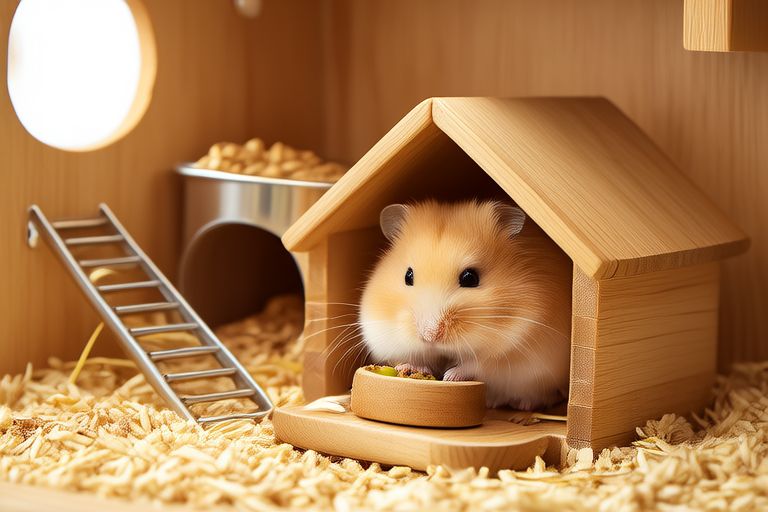
How to Create the Perfect Habitat for Your Golden Hamster at Home
Golden hamsters are small, adorable pets that require a carefully crafted habitat to ensure their health and happiness. Creating the perfect home for your golden hamster involves understanding their specific needs and providing them with a comfortable, stimulating environment. This guide will walk you through the essentials of setting up a habitat, from choosing the right cage to maintaining hygiene and providing a balanced diet.
Selecting an Appropriate Cage Size and Type
The first step in creating a perfect habitat for your golden hamster is selecting the right cage. The cage should be spacious enough to allow your pet to move around freely, exercise, and explore. A cage that is too small can lead to stress and health problems for your hamster. A minimum cage size of about 360 square inches (24 inches by 15 inches) is recommended for a single golden hamster. Larger cages, such as those measuring 48 inches by 24 inches, provide even more room for your hamster to play and exercise.
There are several types of cages available on the market, including wire cages, glass aquariums, and plastic habitats. Wire cages offer excellent ventilation but can pose a risk if your hamster’s feet get caught between the wires. Glass aquariums provide better protection against drafts but require careful selection of bedding to prevent moisture buildup. Plastic habitats are often designed specifically for hamsters and come with features like wheels and tunnels built-in. Choose a cage that suits your living space and meets your hamster’s needs.
Necessary Bedding Materials
Bedding is crucial for your hamster’s comfort and well-being. It helps regulate temperature, absorb waste, and provide a soft surface for your hamster to rest on. Avoid cedar and pine shavings, as they can irritate your hamster’s respiratory system. Instead, opt for safe bedding options like paper-based bedding, recycled paper products, or aspen wood shavings. These materials are softer, less dusty, and better for your hamster’s health.
Ensure that the bedding is clean and free of chemicals. Replace the bedding regularly to maintain hygiene and prevent odors. Aim to change the bedding every 3 to 4 days, depending on the amount of waste produced by your hamster. Providing additional nesting material, such as soft cotton or tissue paper, can also help your hamster feel secure and comfortable in its new home.
Proper Ventilation
Golden hamsters need adequate ventilation to thrive. Poor air circulation can lead to respiratory issues and other health problems. When choosing a cage, look for one with good ventilation. Wire cages are generally better for ventilation than solid-sided cages, as they allow fresh air to circulate freely. If you choose a solid-sided cage, ensure it has ventilation holes or slits to allow airflow.
In addition to selecting a cage with good ventilation, consider the placement of the cage. Avoid placing the cage in drafty areas or near heating sources that could cause temperature fluctuations. Keep the cage away from direct sunlight and sources of noise to minimize stress for your hamster. Proper ventilation ensures that your hamster enjoys a healthy living environment.
Temperature Control
Golden hamsters thrive in moderate temperatures, ideally between 65°F and 75°F (18°C and 24°C). Temperatures outside this range can cause stress and health issues for your hamster. To maintain a stable temperature, place the cage in a room with consistent temperature and avoid placing it near windows, heaters, or air conditioning units. Use a thermometer to monitor the temperature inside the cage and adjust the location or add insulation as needed.
If the room where your hamster lives gets too cold, you can provide extra warmth by placing a small heat pad under one side of the cage. Ensure that the heat pad does not cover the entire bottom of the cage, allowing your hamster to move away if it gets too warm. Conversely, if the room becomes too hot, you can use a fan or place the cage in a cooler area to keep your hamster comfortable.
Safe Toys and Accessories for Mental Stimulation
To keep your golden hamster mentally stimulated and physically active, provide a variety of toys and accessories. Hamsters are naturally curious and enjoy exploring their environment. Consider adding items like tunnels, chew toys, and hammocks to your hamster’s cage. These toys not only provide entertainment but also help wear down your hamster’s teeth, which grow continuously.
A running wheel is another essential accessory for your hamster. Look for a wheel with a solid surface to prevent injuries to your hamster’s feet. Some hamsters may prefer different types of wheels, so it might take some trial and error to find the right one. Additionally, provide hiding spots, such as small boxes or tubes, to give your hamster a sense of security and privacy. Rotate toys periodically to keep your hamster engaged and interested.
Balanced Diet Tips
A balanced diet is crucial for your golden hamster’s health and longevity. Hamsters are omnivores and require a mix of proteins, fats, carbohydrates, and fiber. Commercial hamster food, available in pellet form, provides a balanced diet and is a good starting point. Look for high-quality brands that include a variety of seeds, grains, and vegetables.
In addition to commercial food, supplement your hamster’s diet with fresh fruits and vegetables. Offer small portions of foods like carrots, apples, and leafy greens. Avoid feeding your hamster foods that are toxic to hamsters, such as chocolate, caffeine, citrus fruits, and raw beans. Provide fresh water daily, either through a sipper bottle or a shallow dish, and clean it regularly to prevent bacterial growth.
Feeding treats sparingly is also important. While hamsters enjoy treats like sunflower seeds and nuts, these should be given in moderation due to their high-fat content. Overfeeding treats can lead to obesity and other health issues. Consult with a veterinarian if you have any concerns about your hamster’s diet or weight.
Hygiene Maintenance
Maintaining cleanliness in your hamster’s habitat is essential for preventing illness and ensuring a pleasant living environment. Regular cleaning of the cage is necessary to remove waste, replace bedding, and disinfect surfaces. Start by removing all bedding and toys from the cage. Clean the cage with a mild, unscented detergent and rinse thoroughly to remove any soap residue. Allow the cage to dry completely before replacing the bedding and toys.
Check your hamster’s cage weekly for signs of wear and tear, such as loose bars or damaged accessories. Repair or replace any items that could harm your hamster. In addition to regular cage cleaning, pay attention to your hamster’s grooming habits. Hamsters groom themselves regularly, but if you notice excessive fur loss or skin issues, consult a veterinarian.
Conclusion
Creating the perfect habitat for your golden hamster requires attention to detail and a commitment to your pet’s well-being. By selecting the right cage, providing suitable bedding, ensuring proper ventilation and temperature control, offering safe toys and accessories, maintaining a balanced diet, and keeping the habitat clean, you can create a happy and healthy home for your golden hamster. With the right care and attention, your hamster will thrive and bring joy to your household.
