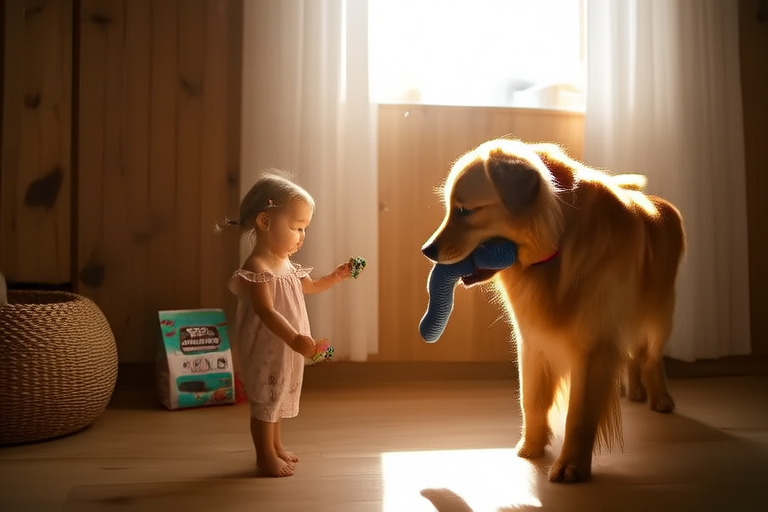
How Norwegian Pet Owners Are Raising Healthier, Happier Animals
In the heart of Scandinavia, where the landscape is as vast and varied as the people who call it home, there exists a unique approach to pet ownership that has garnered international attention. Norwegian pet owners are known for their innovative and holistic methods of raising healthier, happier animals. This article delves into the unique practices that set Norwegian pet care apart, focusing on diet, exercise routines, veterinary care, and mental stimulation techniques. We’ll also explore how cultural and environmental factors contribute to the overall well-being of pets in Norway.
Diet: A Balanced Approach
The dietary habits of Norwegian pets reflect the country’s commitment to natural and organic living. Many Norwegian pet owners choose to feed their animals diets rich in locally sourced ingredients. The availability of high-quality, fresh produce means that pets can enjoy meals made from scratch, often incorporating traditional Norwegian ingredients like salmon, which is rich in omega-3 fatty acids essential for skin and coat health.
In addition to homemade meals, many Norwegians opt for organic and biodynamic pet food brands. These products are free from artificial preservatives, flavors, and colors, ensuring that pets receive only the best nutrients. The emphasis on natural ingredients not only promotes better digestion but also helps in maintaining a healthy weight, reducing the risk of obesity-related diseases.
Exercise Routines: Tailored for the Environment
Norway’s diverse terrain provides ample opportunities for outdoor activities, which are integral to the health of pets. From the rugged fjords to the dense forests, the environment encourages active lifestyles for both humans and their furry companions. Norwegian dogs, especially, benefit from regular walks and hikes in the great outdoors.
Many pet owners incorporate specific exercise routines based on the season. In winter, when temperatures drop, sled dog training and snowshoeing become popular activities. In contrast, summer sees an increase in swimming and agility training. These activities not only keep pets physically fit but also provide mental stimulation, crucial for their overall happiness.
For cats, Norwegian pet owners have adapted their homes to ensure they remain active indoors. With the use of climbing trees and interactive toys, indoor cats can mimic hunting behaviors and stay mentally engaged, even in the smallest apartments.
Veterinary Care: Comprehensive and Holistic
Access to high-quality veterinary care is a cornerstone of pet health in Norway. Veterinarians here are trained in both conventional and alternative medicine, offering a comprehensive approach to pet healthcare. Regular check-ups, vaccinations, and dental care are standard practices, ensuring early detection and prevention of illnesses.
Alternative therapies such as acupuncture, herbal remedies, and physiotherapy are also widely accepted and practiced. These treatments are used to complement traditional medicine, providing relief for chronic conditions and promoting overall wellness. Norwegian pet owners are proactive about their pets’ health, often seeking second opinions and exploring various treatment options to find the best solutions.
Mental Stimulation: Keeping Pets Engaged
Pets need more than just physical exercise; they require mental stimulation to thrive. Norwegian pet owners understand this and incorporate a variety of techniques to keep their pets engaged. Puzzle toys, interactive games, and scent work are popular methods used to challenge pets’ minds.
Cultural events and festivals also play a role in keeping pets entertained. For instance, during the annual ‘Sled Dog Race,’ dogs are given the opportunity to participate in organized events, fostering a sense of community and competition. Similarly, pet-friendly workshops and classes are becoming increasingly common, offering pets and their owners the chance to learn new skills together.
Cultural and Environmental Factors
The Norwegian culture places a strong emphasis on outdoor living and family values, which naturally extends to pet ownership. The concept of ‘friluftsliv’ (open-air living) encourages spending time in nature, fostering a bond between pets and their human companions. This cultural norm ensures that pets are regularly exposed to the outdoors, contributing to their physical and emotional well-being.
The environment itself plays a significant role in pet health. Norway’s clean air and water, along with its relatively low pollution levels, create an ideal setting for pets to live in. The abundance of green spaces and parks also provides ample opportunities for pets to socialize and play, further enhancing their quality of life.
Successful Pet Care Stories
One notable story comes from Trondheim, where a local family adopted a rescue dog named Thor. Initially, Thor was timid and anxious, struggling to adapt to his new surroundings. However, through a combination of consistent training, regular outdoor activities, and a balanced diet, Thor transformed into a confident and happy companion. His owner credits the holistic approach to pet care, prevalent in Norway, for Thor’s remarkable improvement.
Another example is from Oslo, where a cat named Luna suffered from anxiety due to her indoor lifestyle. Her owner introduced interactive toys and climbing structures, significantly improving Luna’s mood and activity levels. Today, Luna is a content and playful cat, thriving in her enriched environment.
Conclusion
The practices employed by Norwegian pet owners offer valuable insights into raising healthier, happier animals. By focusing on a balanced diet, tailored exercise routines, comprehensive veterinary care, and mental stimulation techniques, Norwegians are setting a high standard for pet welfare. Cultural and environmental factors further enhance these efforts, creating an ideal setting for pets to flourish. As we continue to learn from these unique practices, we can apply similar principles to improve the lives of pets everywhere.
