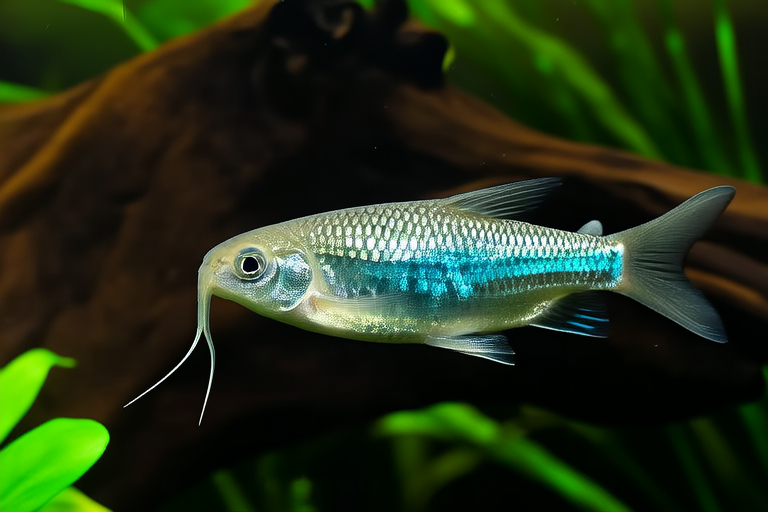
A Journey into the Exotic World of Arowana Fish
The arowana, also known as dragonfish, is a fascinating species that has captivated the interest of aquarists and enthusiasts worldwide. With its unique appearance and rich history, this fish is more than just an aquatic pet; it is a symbol of wealth, prosperity, and good fortune in many cultures. In this article, we will explore the world of arowana fish, delving into their origins, habitats, dietary needs, cultural significance, and the challenges faced in keeping them as pets.
Unique Characteristics and Historical Significance
Arowana fish possess several distinctive features that set them apart from other freshwater species. Their elongated bodies, adorned with large scales and a forked tail, give them an almost prehistoric look. One of the most striking aspects of arowana is their ability to leap out of the water, a behavior that has earned them the nickname ‘dragonfish’. This trait is particularly useful for catching prey above the water’s surface.
The arowana has a long and storied history, with records dating back thousands of years. In ancient China, these fish were revered for their mythical powers and believed to bring good luck and fortune to those who owned them. The Chinese often refer to arowanas as ‘Dragon Fish’, further emphasizing their symbolic importance. Similarly, in Malaysia and Indonesia, arowanas are considered symbols of wealth and power, and they are frequently displayed in homes and offices.
Native Habitats and Preferred Water Conditions
Natural habitats for arowana vary widely depending on the species. Some prefer the murky waters of the Amazon River basin, while others thrive in the clear, fast-flowing rivers of Southeast Asia. Regardless of their location, arowana fish require specific environmental conditions to flourish.
Water temperature is crucial for arowana health, typically ranging between 78°F and 84°F (25°C to 29°C). pH levels should be maintained at around 6.5 to 7.5, and hardness should be kept low, ideally between 3 and 8 dGH. These conditions mimic the natural environments where arowana fish are found, ensuring optimal growth and longevity.
Dietary Needs
Arowana are carnivorous and primarily feed on live prey such as insects, small fish, and crustaceans. As pets, they can be fed a diet of high-quality pellets, frozen or live foods, and occasional treats like feeder fish or shrimp. It is important to provide a balanced diet to ensure proper nutrition and prevent malnutrition.
Cultural Importance and Myths Surrounding Arowana
In addition to their aesthetic appeal, arowana fish hold significant cultural value in various regions. In Chinese culture, the arowana is associated with the dragon, a creature that symbolizes power, strength, and good fortune. The belief in the fish’s ability to bring prosperity and ward off evil spirits makes it a popular choice for display in homes and businesses.
In Malaysia and Indonesia, arowana fish are considered symbols of wealth and power. They are often given as gifts during important occasions and are believed to bring good luck and success to their owners. The fish’s reputation extends beyond its physical appearance, with many people attributing mystical powers to it.
Care and Maintenance for Pet Arowana
Keeping arowana as pets requires careful attention to detail. A well-planned tank setup is essential for the fish’s health and happiness. Arowana need ample space to swim and explore, so a tank size of at least 150 gallons (568 liters) is recommended for a single adult fish. Larger tanks are preferable for multiple arowana.
Proper filtration and regular water changes are vital for maintaining water quality. Arowana are sensitive to changes in their environment, so it is important to monitor water parameters closely. Feeding habits should be carefully managed to avoid overfeeding, which can lead to obesity and other health issues. A varied diet that includes high-quality pellets, frozen or live foods, and occasional treats is ideal.
Common health issues in arowana include bacterial infections, parasitic infestations, and nutritional deficiencies. Regular check-ups and prompt treatment are necessary to maintain the fish’s health. Quarantine procedures should be implemented when introducing new fish to the tank to prevent the spread of diseases.
Conservation Status and Protection Efforts
Arowana fish face numerous threats in the wild, including habitat destruction, overfishing, and the illegal pet trade. Many species are listed as vulnerable or endangered, prompting conservation organizations to take action. Efforts to protect arowana include habitat restoration, breeding programs, and stricter regulations on fishing and trade.
Several countries have enacted laws to regulate the capture and sale of arowana fish. In some cases, permits are required to own or breed these animals, and penalties for illegal activities can be severe. Conservationists work tirelessly to raise awareness about the importance of preserving arowana populations and their ecosystems.
In conclusion, the arowana fish is a remarkable species with a rich history and cultural significance. From their unique characteristics to their role in various mythologies, these fish continue to fascinate and inspire. Whether you are an experienced aquarist or simply curious about exotic pets, the arowana offers a glimpse into the wonders of the underwater world. By understanding their needs and taking steps to protect them, we can help ensure the survival of these magnificent creatures for generations to come.
