Soft, Silky, and Sedate: Discovering the Unique World of Ragdolls
The world of feline companionship offers a vast array of choices, each breed bringing its own unique set of characteristics and charm. Among these, the Ragdoll stands out as a particularly special breed, known for its soft, silky fur and gentle demeanor. In this article, we will delve into the fascinating world of Ragdoll cats, exploring their history, physical traits, behavioral tendencies, and the unique bond they form with their human companions.
A Brief History of Ragdolls
The story of the Ragdoll begins in the 1960s, when Ann Baker, a breeder in Riverside, California, developed the breed. The origin of the Ragdoll is somewhat shrouded in mystery, with some suggesting that it may have been influenced by a white longhaired cat found in a local bakery. Baker’s breeding program focused on creating a cat that would be affectionate, gentle, and sociable, qualities that she believed were essential for a perfect companion. Today, the Ragdoll is recognized by major cat registries worldwide and continues to grow in popularity.
Distinctive Characteristics
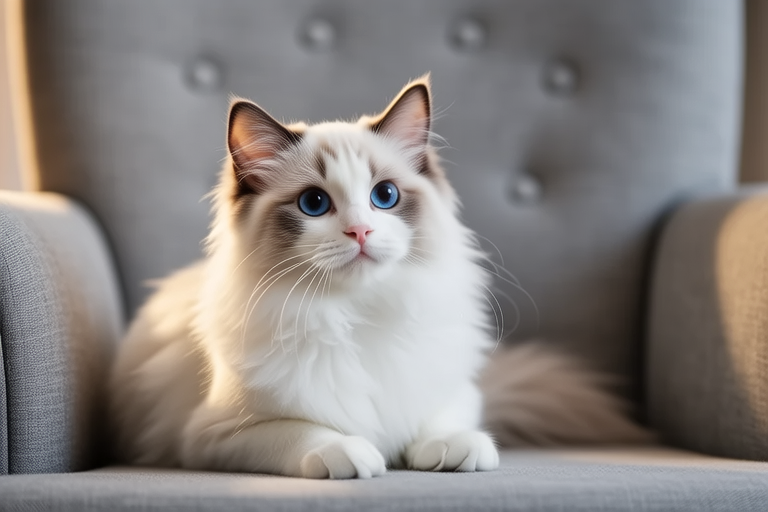
Ragdolls are renowned for their plush, semi-longhair coats that are soft to the touch. Their fur is typically medium-length, with a silky texture that requires minimal maintenance. The most common colorpoint pattern includes seal, blue, chocolate, and lilac, though other colors such as red and cream are also recognized. Ragdolls come in a variety of patterns, including bicolor, mitted, and van, each adding to their unique appearance. Their large, expressive eyes, which can range from blue to green, further enhance their endearing looks.
One of the most distinctive features of Ragdolls is their docile nature. They are often described as being “dog-like” in their behavior, following their owners around the house and enjoying playtime. Their relaxed attitude makes them a great choice for families looking for a calm, affectionate pet. Ragdolls are particularly known for their tendency to go limp when held or carried, a trait that has earned them the nickname “rags.”
Ideal Living Conditions
Ragdolls thrive in environments that provide comfort and security. While they can adapt to various living situations, they generally prefer a quieter home where they can relax and enjoy the company of their human family. Apartment living is perfectly suitable for Ragdolls, provided they have access to comfortable resting spots and toys to keep them entertained. They are adaptable and can adjust to different routines, but they do require attention and interaction to remain happy and healthy.
Grooming Needs
Despite their luxurious coat, Ragdolls are relatively low-maintenance when it comes to grooming. Regular brushing once or twice a week helps to prevent matting and keeps their fur in top condition. During shedding seasons, more frequent brushing may be necessary to manage loose hair. Bathing is usually not required unless the cat gets particularly dirty, but it is important to ensure that any mats are gently removed to avoid discomfort. Ragdolls are generally easygoing during grooming sessions, making it a pleasant experience for both owner and cat.
Common Health Issues
Like all breeds, Ragdolls are prone to certain health issues. Hypertrophic cardiomyopathy (HCM), a form of heart disease, is one of the most significant concerns. This condition can lead to heart failure if left untreated. Regular veterinary check-ups, including heart screenings, are crucial for early detection and management. Additionally, Ragdolls may be susceptible to polycystic kidney disease (PKD), a genetic disorder that can cause kidney failure. Responsible breeding practices and genetic testing can help reduce the risk of these conditions.
The Bond Between Ragdolls and Their Owners
Ragdolls are famous for their strong emotional bonds with their human families. They are incredibly affectionate and enjoy spending time with their owners, often seeking out opportunities to be close. Many Ragdolls will follow their humans from room to room, offering companionship and comfort. This deep connection makes them ideal pets for individuals who value companionship and emotional support. Their gentle nature also means they are well-suited for households with children and other pets, provided proper introductions are made.
Behavior and Intelligence
Ragdolls are intelligent and curious creatures, always eager to explore their surroundings. They enjoy interactive play and can be trained to perform simple tricks, such as fetching toys or sitting on command. Their playful nature combined with their intelligence makes them enjoyable companions. Ragdolls are not typically known for being overly vocal, preferring to communicate through body language and purring. However, they will vocalize when they need attention or want to express excitement.
Compatibility with Families and Other Pets
Ragdolls are excellent companions for families, especially those with children. Their gentle disposition and tolerance for handling make them ideal playmates for kids. It is important to teach children how to interact with the cat properly, ensuring that both the child and the cat feel safe and comfortable. Ragdolls can also get along well with other pets, including dogs, when introduced gradually. Their calm demeanor helps them integrate smoothly into multi-pet households.
Conclusion
In conclusion, Ragdolls are truly remarkable cats, combining stunning aesthetics with a gentle, affectionate nature. Their soft, silky fur and docile temperament make them beloved companions for many. Whether you’re a seasoned cat owner or considering adopting your first feline friend, a Ragdoll could be the perfect addition to your family. By understanding their specific needs and providing them with love and care, you can enjoy a rewarding relationship with these charming creatures. So, why not welcome a Ragdoll into your home and experience the joy of having a loyal, loving companion?
