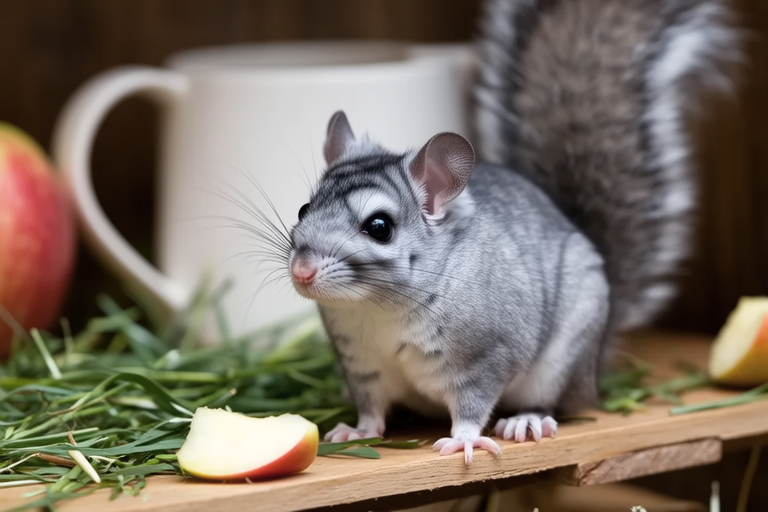
Uncover the Secret World of Chinchillas: Their Diet and Health
Introduction
Chinchillas, native to the Andes Mountains of South America, have captivated pet enthusiasts with their plush fur and playful demeanor. These small rodents, closely related to guinea pigs and porcupines, have become increasingly popular as pets over the past few decades. Known for their high-energy antics and gentle nature, chinchillas offer a unique companionship that many find irresistible. However, like all animals, these creatures require specific care to thrive. Understanding their dietary needs and health requirements is crucial for any prospective or current owner.
The Origins and Popularity of Chinchillas
Native to the harsh, rocky terrain of the Andes, chinchillas were first domesticated in the early 20th century. Their natural habitat, characterized by cold temperatures and sparse vegetation, has shaped their physical attributes and behaviors. Historically, chinchillas were prized for their luxurious fur, leading to near-extinction due to over-hunting. Thankfully, conservation efforts have helped stabilize wild populations, while domestication has allowed these animals to become cherished pets worldwide.
In recent years, chinchillas have gained popularity as low-maintenance, quiet pets. Their nocturnal nature makes them ideal for individuals seeking a companion that won’t disrupt daytime routines. Moreover, their relatively long lifespan—up to 20 years—ensures a lasting bond between owner and pet.
Dietary Essentials: Hay, Pellets, and Water
Proper nutrition is paramount for chinchillas, ensuring they maintain optimal health throughout their lives. The cornerstone of their diet is hay, which provides essential fiber necessary for healthy digestion. Timothy hay is particularly recommended, as it supports dental health by promoting chewing, which helps wear down continuously growing teeth. Additionally, hay aids in preventing gastrointestinal issues such as bloat and diarrhea.
Pellets designed specifically for chinchillas are another vital component of their diet. These pellets should be high in fiber and low in protein and fat, mirroring the nutrient profile of their natural diet. Quality chinchilla pellets typically include grains, seeds, and dried fruits, providing a balanced mix of nutrients. It’s important to choose pellets without added sugars or artificial ingredients, which can lead to obesity and other health problems.
Water, often overlooked, plays a critical role in chinchilla health. Fresh, clean water must always be available, as dehydration can quickly become a serious issue. Owners should provide water via a gravity-fed water bottle, which prevents contamination and keeps the water supply constant. Regularly cleaning the water bottle and replacing the water daily ensures that chinchillas stay hydrated and healthy.
Common Dietary Pitfalls and Their Effects
While chinchillas have specific dietary needs, certain foods can pose significant risks to their health. One common mistake is feeding too many treats, such as fruits and vegetables, which are high in sugar and can upset the delicate balance of their digestive system. Excessive sugary treats can lead to obesity, diabetes, and tooth decay. Another pitfall is offering foods that are toxic to chinchillas, such as iceberg lettuce, rhubarb, and chocolate. These items can cause severe gastrointestinal distress or even death.
Feeding inappropriate pellets or hay can also lead to health issues. Low-quality pellets may lack essential nutrients or contain harmful additives. Similarly, poor-quality hay can be moldy or contaminated, posing risks to respiratory health. To avoid these pitfalls, it’s essential to purchase high-quality products from reputable suppliers and consult with veterinarians specializing in exotic animals.
Maintaining Chinchilla Health Through Proper Nutrition
Ensuring a chinchilla’s health extends beyond just providing the right food; it involves creating an environment conducive to their well-being. Cleanliness is key, as chinchillas are fastidious groomers and need a clean living space to prevent skin infections and respiratory issues. Regular cage cleaning, including the removal of soiled bedding and waste, is crucial. Additionally, providing dust baths twice weekly allows chinchillas to clean their fur, which is essential given their dense coats.
Owners should monitor their chinchillas’ weight and body condition regularly. A healthy chinchilla should have a slight tuck at the waist when viewed from above and a firm, rounded body shape. Weight fluctuations can indicate underlying health issues and should prompt a visit to a veterinarian. Furthermore, regular veterinary check-ups are vital for early detection of potential problems and to ensure that the chinchilla’s dietary and environmental needs are being met.
Tips for Monitoring Chinchilla Health
Observing your chinchilla’s behavior is one of the best ways to monitor their health. Healthy chinchillas are active, curious, and alert. Any noticeable changes in activity level, appetite, or grooming habits could signal an issue. For example, lethargy, loss of appetite, or excessive grooming might indicate illness. Familiarizing yourself with normal behaviors will help you recognize deviations more easily.
Signs of potential health issues include changes in fecal output, abnormal discharges from eyes or nose, or difficulty breathing. Respiratory issues, in particular, can be life-threatening if left untreated. Prompt attention to these symptoms is crucial for effective treatment. Additionally, keeping a record of your chinchilla’s health history, including vaccination dates and any medical treatments, can be invaluable for veterinarians.
Regular interaction with your chinchilla can also aid in detecting subtle changes in their behavior. Gently handling your pet during playtime or grooming sessions allows you to feel for any lumps or abnormalities. Paying attention to these details can help catch problems before they become serious.
Conclusion
Understanding the secret world of chinchillas involves recognizing their unique dietary and health needs. By providing a balanced diet rich in hay and pellets, ensuring access to fresh water, and maintaining a clean living environment, owners can help their chinchillas live long, healthy lives. Being vigilant about potential health issues and regularly consulting with veterinarians further enhances the quality of care. With proper attention and love, chinchillas can be rewarding companions, bringing joy and comfort to their human families for many years.
